
Panzhihua: Turning the Grand Games of Ethnic Sports into a Stage for Diverse Cultures and a Driver of Urban Consumption
2026-11-23 10:52:11 by SICC
The competition may have ended, but the friendships forged here will endure. As this grand event concludes, a new journey begins.
On November 19, as the final notes of the children’s chorus “At the Crossroad Where Phoenix Flowers Bloom” faded throughout the Panzhihua City Gymnasium, the 17th Traditional Games of Ethnic Minorities of Sichuan Province drew to a close, having been a resounding success. Over the seven-day spectacle, 1,959 athletes from 27 teams competed with one another to prove their skills, electrifying the venue with unforgettable highlights as well as their individual charms. Sharing the arena, competitors of each ethnic minority ultimately came together as one — as tightly united as the seeds of a pomegranate.
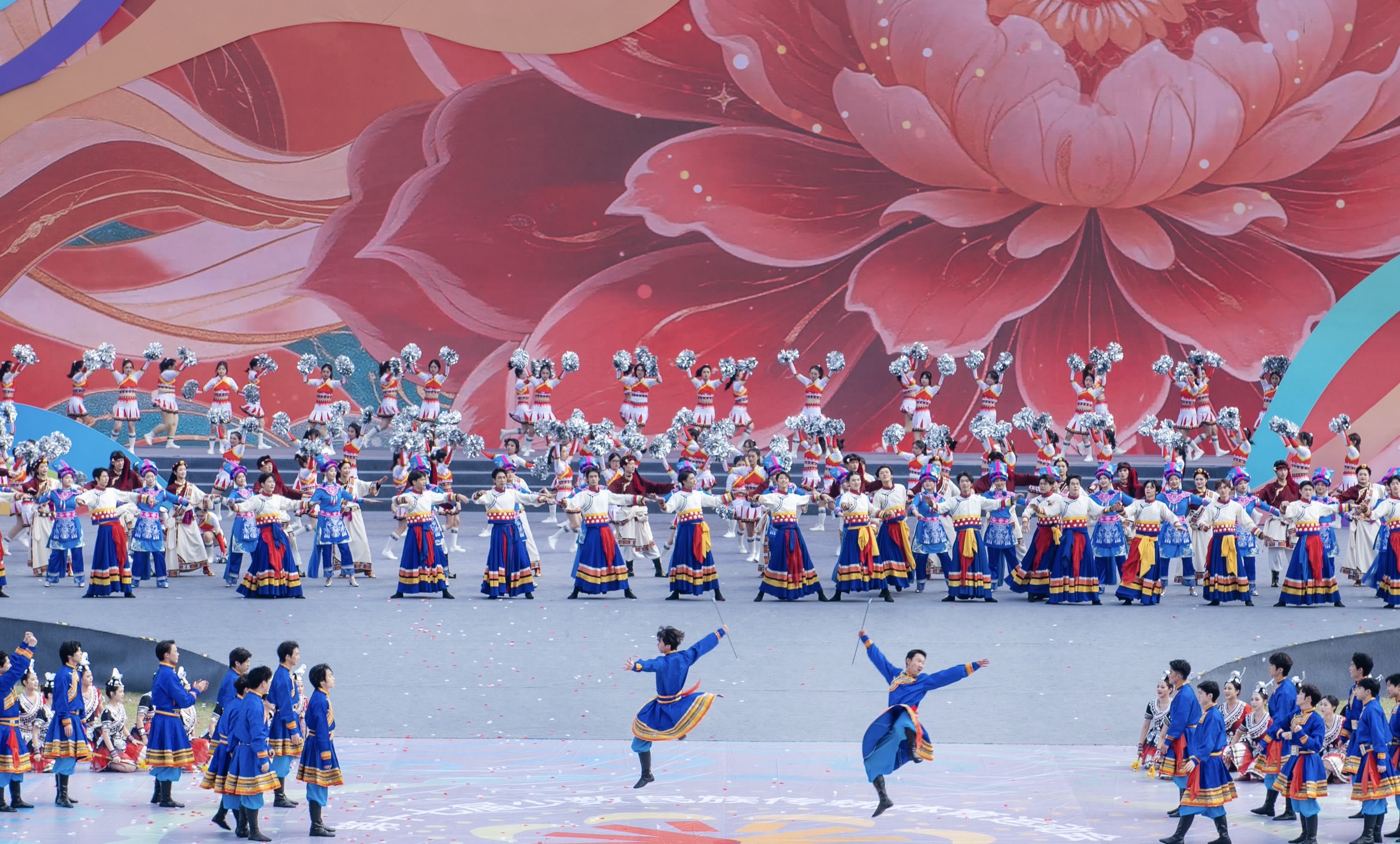
As Sichuan’s first grand games of ethnic sports following the implementation of “The Ethnic Unity and Progress Promotion Law of the People’s Republic of China,” the 2026 edition set a new benchmark — featuring the largest scale, the richest events, and the widest participation in the province’s history. Now, as the excitement subsides and calm settles back over the venue, a question arises: What did the Games bring to Panzhihua, and what legacy do they leave behind?
Experiencing the Traditional Sports Culture of Different Ethnic Minorities
Over the seven days, against the vibrant backdrop of these 12 sports and 102 events and beyond the speed, skill, and strength they demonstrated, these athletes have shown how we can keep the traditional sports culture of ethnic minorities alive in the new era.
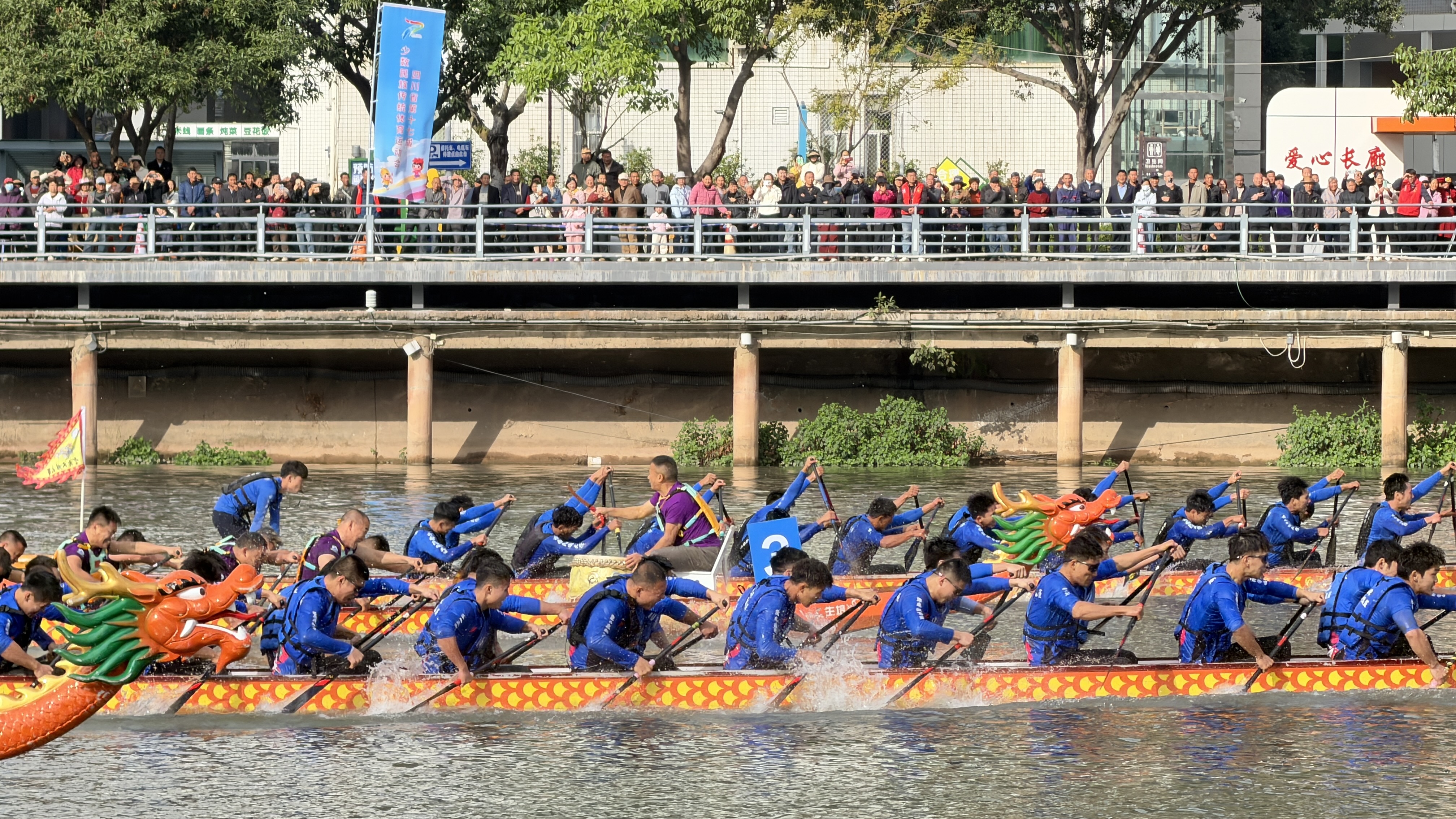
From Pearl Ball and Dragon Boat Race to Stilt Racing, some stem from people’s ways of living and production, while others are closely associated with ethnic festivals and traditional customs. According to Wang Yanchao, Deputy Chief Referee for Pearl Ball, this sport originated in pearl harvesting, a form of Manchu labor, which later evolved from everyday work to a recreational competition. Wang also expressed his hope to share the joy and wisdom born of labor with more people across the arena.
For the competitors, these sports and events maintain the continuity of ethnic culture and legacy, and even come to represent a celebration of a beautiful lifestyle.
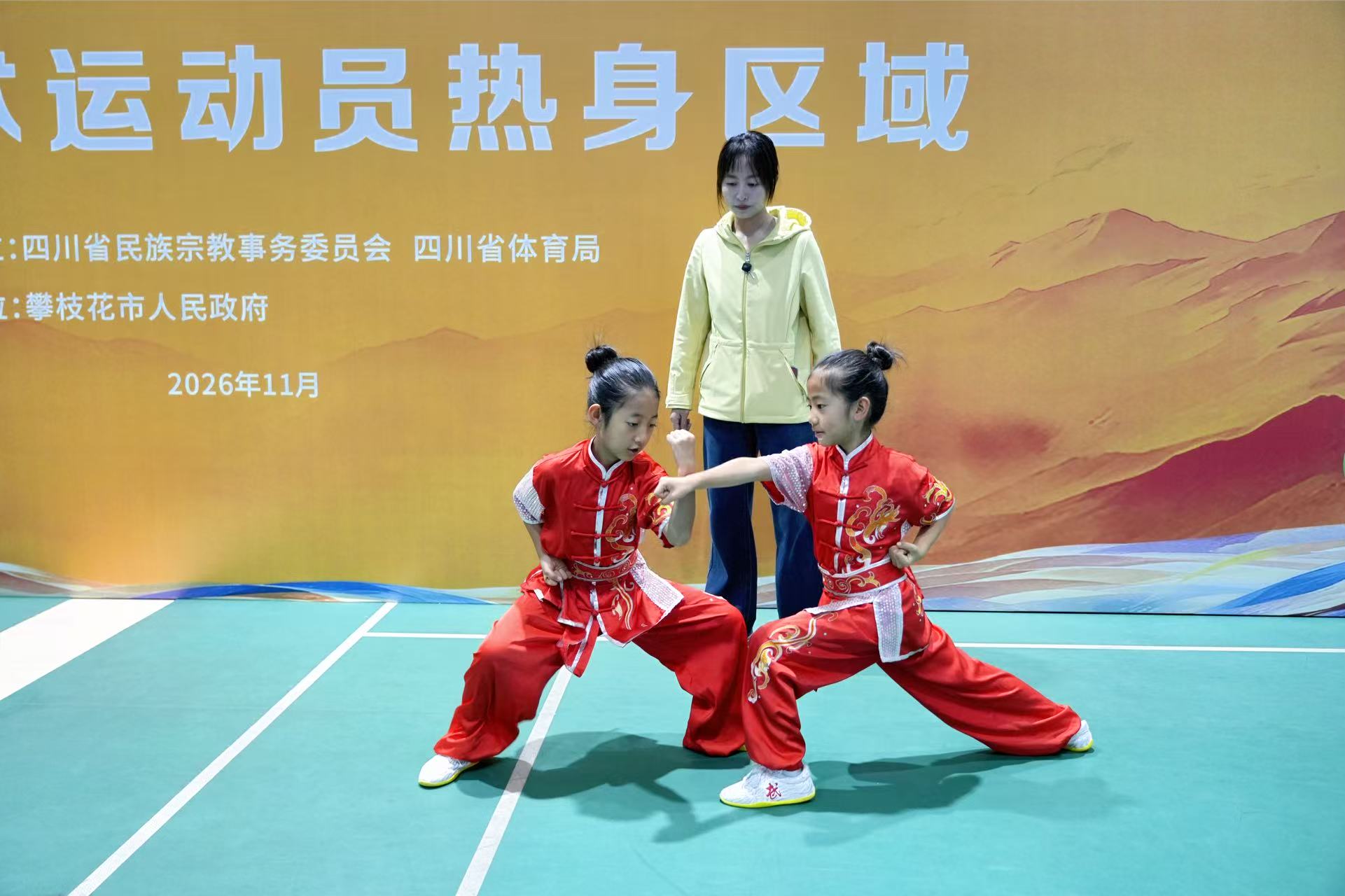
At the Women’s Sparring event of Ethnic Martial Arts, eight-year-old Yi twins Ni Ruiman and Ni Zhenman made a dazzling appearance that immediately drew widespread attention. Their coach, Chen Xingying — a competitor from the Meishan team as well — also took part in events across two distinct categories. The fact that both coach and students stepped into the arena underscores the Games’ heightened focus on promoting the traditional martial arts culture of the Chinese nation, noted Li Chuanguo, Chief Referee for Ethnic Martial Arts.
Meanwhile, Lu Pingjing, a Shuttlecock Kicking athlete from the Aba Tibetan Autonomous Prefecture team and native of Panzhihua, shared with the reporter her future plan to return home for the promotion of shuttlecock kicking and transmit the sport’s cultural legacy intact to the next generation. At the performance competition venue, athletes from the Ganzi Tibetan Autonomous Prefecture team vividly reenacted the arduous transport journey along the Ancient Tea-Horse Road. “Although those scenes no longer exist today, history is worth remembering, and we must preserve and pass on this culture,” said Chilai Gongbu, an athlete from the team.
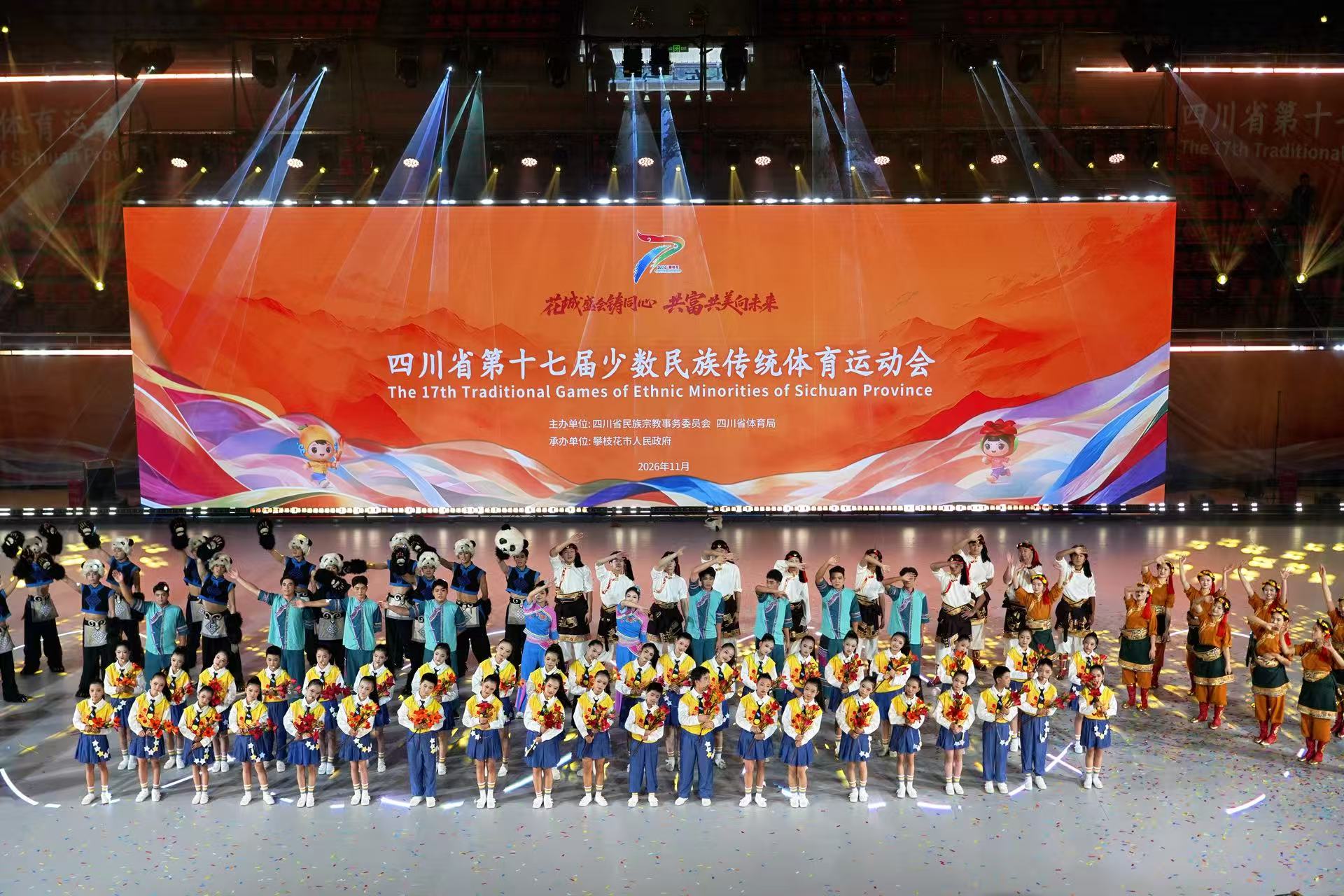
For many spectators, exploring these events is also a journey into diverse ethnic cultures. During the autumn holiday, for instance, Panzhihua resident Zeng Shaofeng made a special trip with her child to the Games venue, taking in both the competitions and the closing ceremony. “I hope my child can experience diverse cultures,” she said. Meanwhile, fellow resident Guo Qiang shared that it was right here that he broadened his knowledge of a great many traditional ethnic minority sports while watching athletes from various ethnic groups give their all on the field and grow through the experience.
For Panzhihua itself, this legacy carries even deeper significance. Sixty-one years ago, hundreds of thousands of builders from every corner of China converged along the Jinsha River. In a remarkable feat, they joined forces to carve a steel city out of barren wilderness, forging the enduring “Spirit of the Third-Front Construction”. Today, during their stay in Panzhihua, the Liangshan Yi Autonomous Prefecture team athlete Jike Yifu and his teammates visited the Panzhihua Construction Museum of the Third-Front Movement. “I hope more people will learn about the Spirit of the Third-Front Construction, and let’s work together to carry it forward,” Jike noted.
Off-Field Activities, a Stage for Cultural Tourism
For the host city, Panzhihua, this Games undoubtedly presents an important opportunity to showcase its image and offers a major chance to boost consumption. Using this sports games as a platform, Panzhihua is inviting athletes, coaches, and tourists from across the country to visit and get to know itself.
In an interview, Chengdu Sport University team coach Liu Jinli held a pink titanium water bottle in her hand as she remarked, “I’m here to take part in this competition too, and it wasn’t until I did some research afterward that I realized Panzhihua is abundant in vanadium and titanium resources,” she said.
How can the event’s foot traffic be converted into increased consumption?
Panzhihua has embraced a strategy of “building pre-event buzz to attract visitors, delivering immersive experiences during the Games, and realizing citywide scenario integration.” By seamlessly linking sporting events with consumption, the city continues to elevate its “Shopping in the City of Flowers” brand — turning the surging popularity of this sports event into an enduring engine for urban consumption growth.
In its lobby, for example, the Homy Hotel (East District) set up a dedicated showcase and retail zone, neatly arranging dried mangoes, dried mulberries, mango squishy toys, and cultural and creative products. “We placed the display right along the guests’ path so they spot it the moment they come downstairs,” said Xing Liang, the hotel’s marketing manager, pointing to the setup.
Similarly, the Home of Common Prosperity · Panzhihua Fruit Supermarket stocked more than 800 local specialty items. Store manager Guo Jiaomei noted that the most popular items among athletes were dried mangoes, dried mulberries, and cured pork belly.
Before departing Panzhihua, Zhang Jiannan, the Ethnic Martial Arts coach of the Meishan team, bought local specialties from Panzhihua, such as mangoes, sweet oranges, and kumquats, for his family. The Panzhihua Municipal Bureau of Commerce also partnered with a number of businesses to provide the athletes with exclusive shopping vouchers.
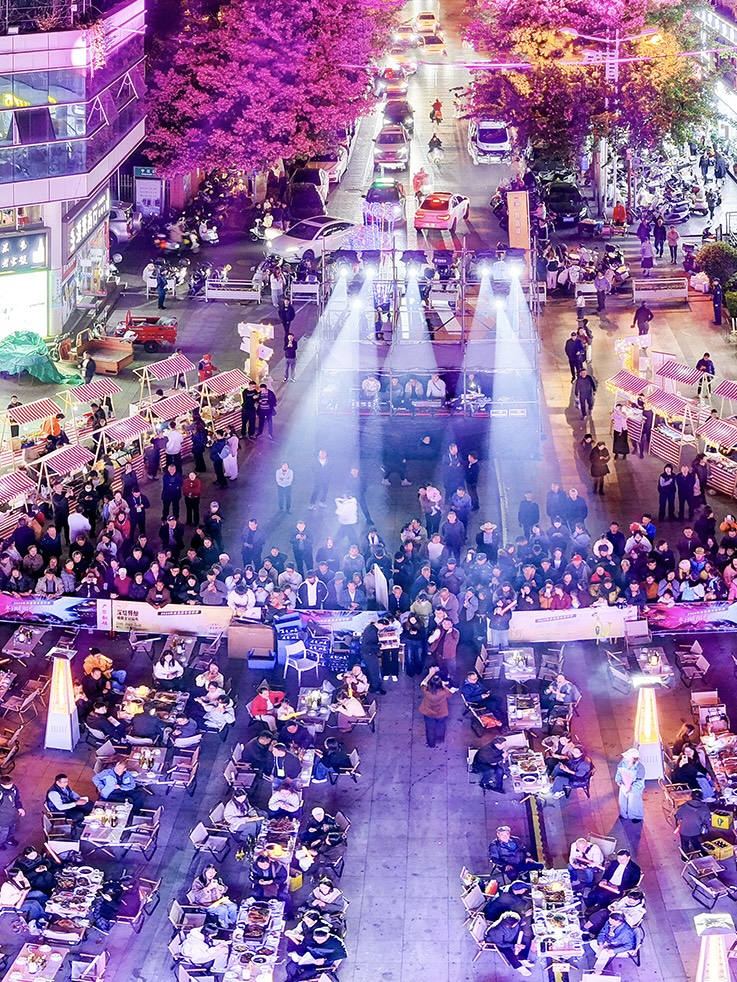
Breaking beyond the confines of a single competition venue, Panzhihua teamed up with its districts and counties to roll out a series of themed activities spotlighting cultural tourism, cuisine, and leisure. In Miyi County, dragon boat racers paddled fiercely through the waves while vibrant themed night markets buzzed with energy. In Yanbian, the “Tianfu Harmony Banquet: Flavors of the City of Flowers” culinary showcase paired scenic landscapes with a mutton rice noodle festival, hot springs, and wellness experiences. Meanwhile, in the East District, the industrial heritage of the Third-Front Construction intertwined with the city’s nightscape, sparking a boom in local dining and inns. In doing so, the Games’ impact expanded beyond the arenas to a wider array of sectors.
When speaking of Panzhihua, people most often think of steel and mangoes. Yet this grand event moved past that single image, presenting the world with a multifaceted portrait of the city — in particular its vitality in culture, sports, and tourism, the warmth of its health and wellness offerings, and the charm of its rural development. “This blossom-named city stands out for both the resilience of steel and a spirit of inclusivity and warmth,” said renowned singer Chen Sisi. She also extended a warm invitation: “Everyone is welcome to Panzhihua, whether for tourism or to settle down.”
Notably, this year’s Games did away with overall team rankings; instead, all participating teams received the “Sports Ethics and Spirit Award” and the “Outstanding Organization Award.” This approach truly turned the competition arena into a showcase for the heritage and traditions of diverse ethnic groups — where skills and wisdom born of daily life and labor reflect the rich, diverse cultural essence of the Chinese nation.
With the handover of the Games flag to the Ganzi Tibetan Autonomous Prefecture, host of the next edition, this grand event came to a successful close. Backed by numerous “historic highs” and the genuine warmth of its residents, Panzhihua delivered a standout Games that left everyone thoroughly satisfied.
