
First Autumn Snow in Sichuan: Black-Necked Cranes Roam Redyuan Grassland
2026-11-02 17:08:25 by Queenie Tan
On Nov. 1, the Hongyuan Prairie in the Aba Tibetan and Qiang Autonomous Prefecture received its first snowfall of autumn. Blanketing the rolling meadows, the white snow transformed the vast grassland into a pristine winter landscape. Black-necked cranes, a Class I state-protected species, and herds of yaks trod through the snow, strolling leisurely across the white expanse while foraging and playing beside winding streams in the wetlands, creating a distinctive scene of early autumn snow on the western Sichuan plateau.
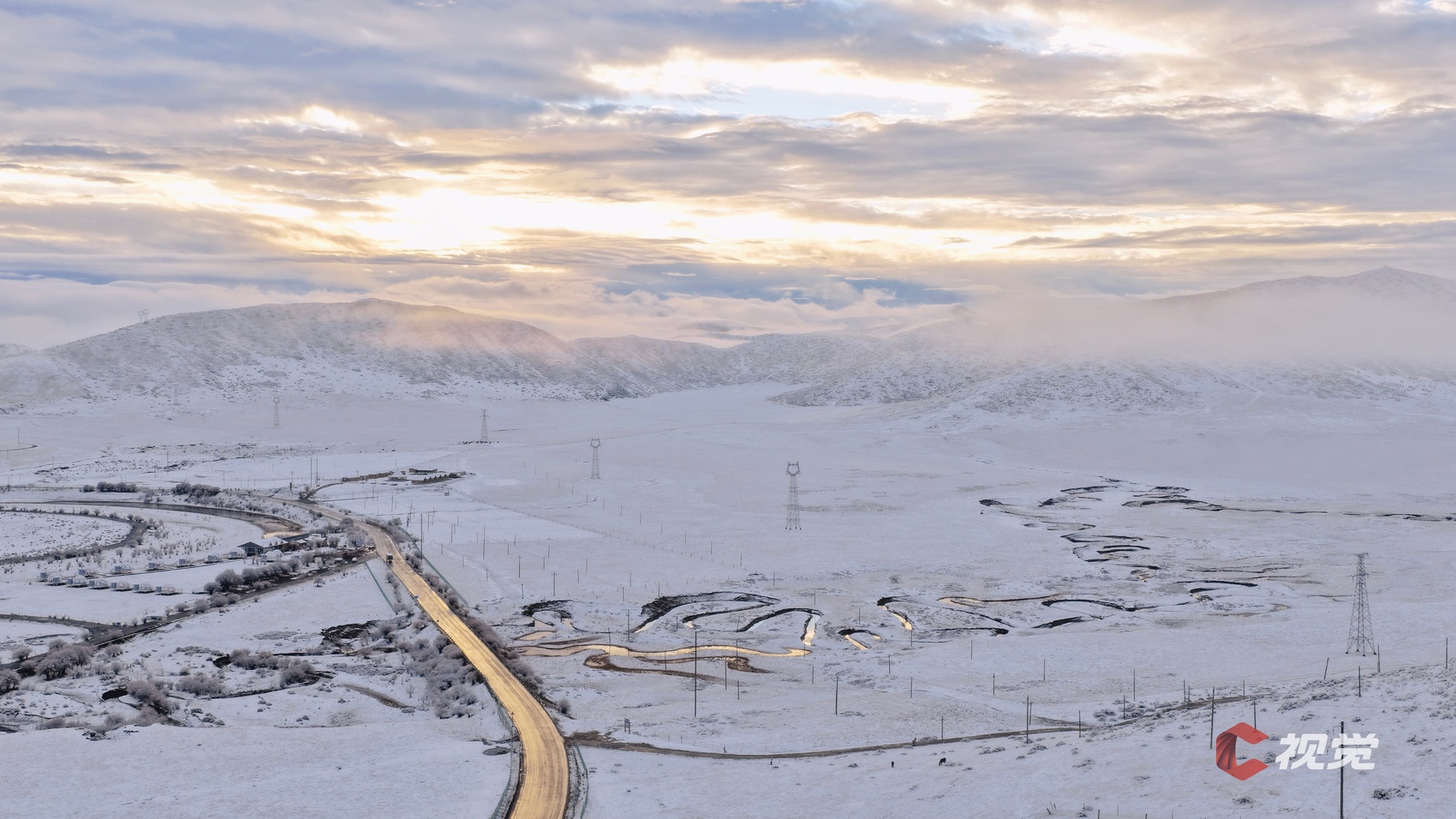
On Nov. 1, heavy snow blanketed the Hongyuan Prairie in Aba Prefecture, where meandering streams wind through the landscape, presenting a panoramic view of the plateau wetland ecosystem
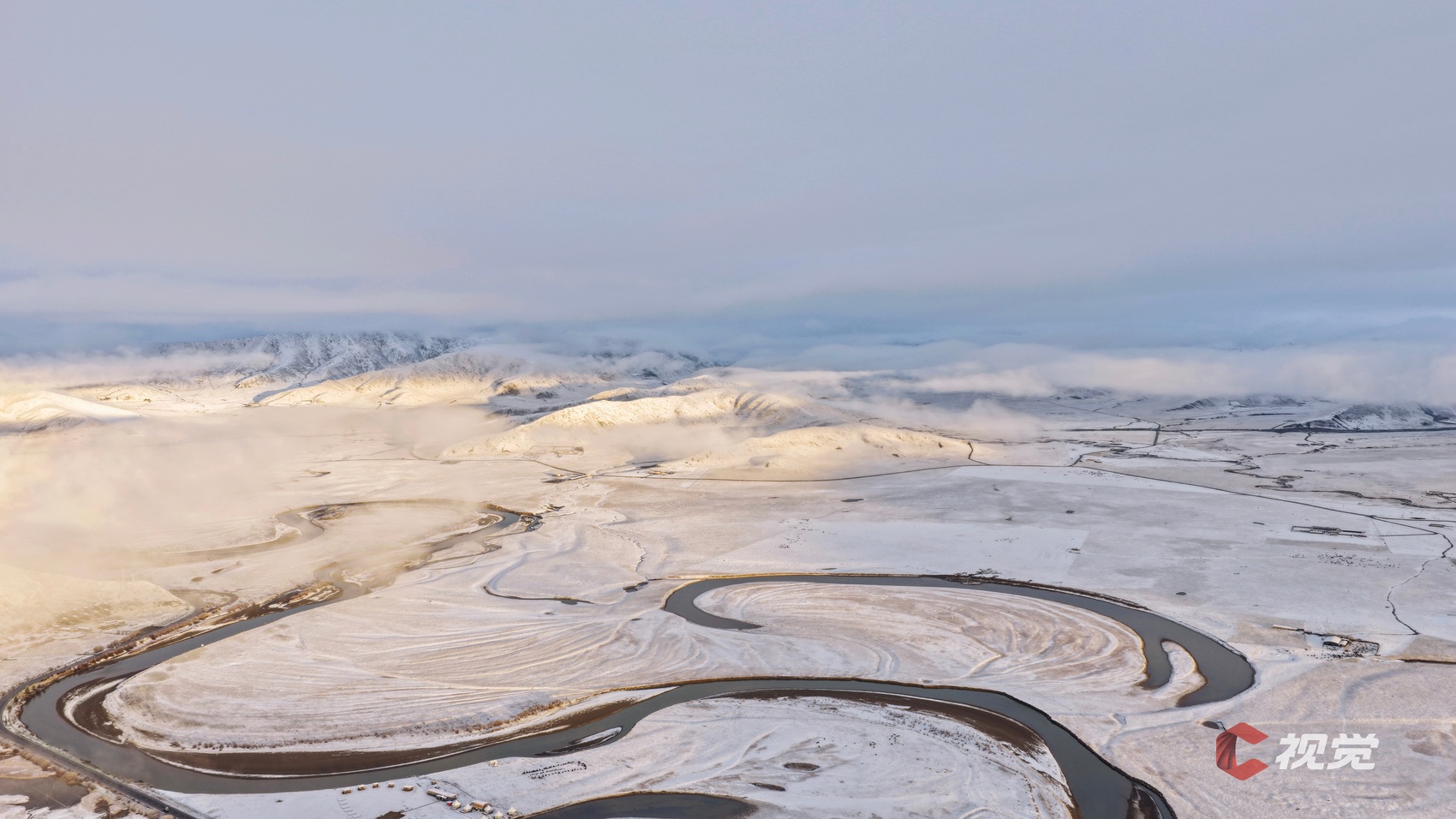
On Nov. 1, heavy snow blanketed the Hongyuan Prairie in Aba Prefecture, where meandering streams wind through the landscape, presenting a panoramic view of the plateau wetland ecosystem
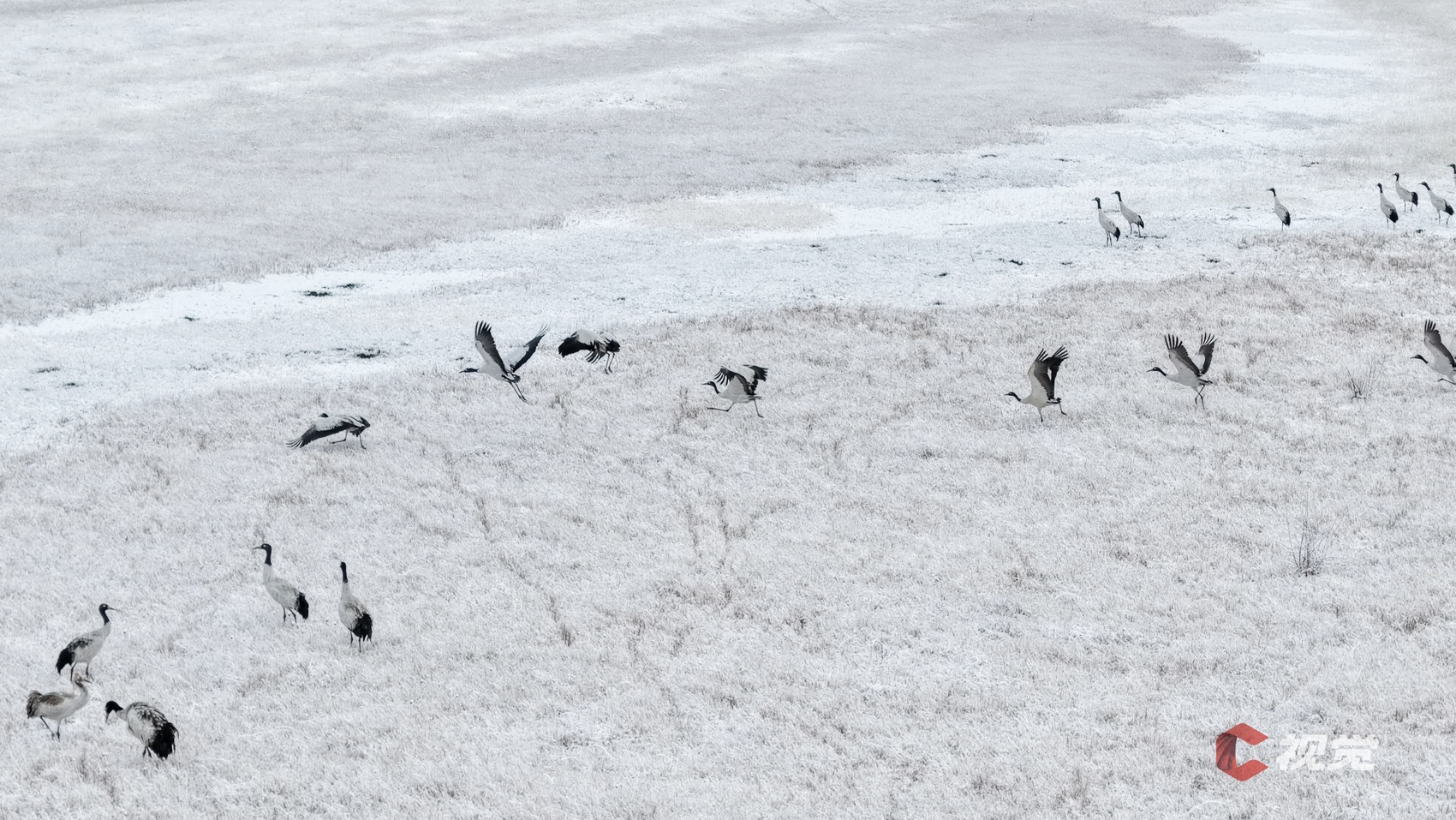
On Nov. 1, heavy snow fell on the Hongyuan Prairie in Aba Prefecture, where black-necked cranes, a Class I state-protected species, were seen strolling through the snow
As a vital ecological barrier and water conservation area in the upper reaches of the Yangtze and Yellow rivers, the Hongyuan Prairie is an integral part of the Zoige National Park. It bears the critical responsibility of conserving upstream water sources, sequestering carbon, and protecting wetlands as well as habitats for rare wildlife, thereby fortifying the ecological security shield in northern Sichuan. The prairie also serves as a crucial "stopover" for migrating black-necked cranes, with some transitioning from "migratory birds" to "resident birds", serving as vivid proof of the continuous improvement in the grassland wetland ecosystem.
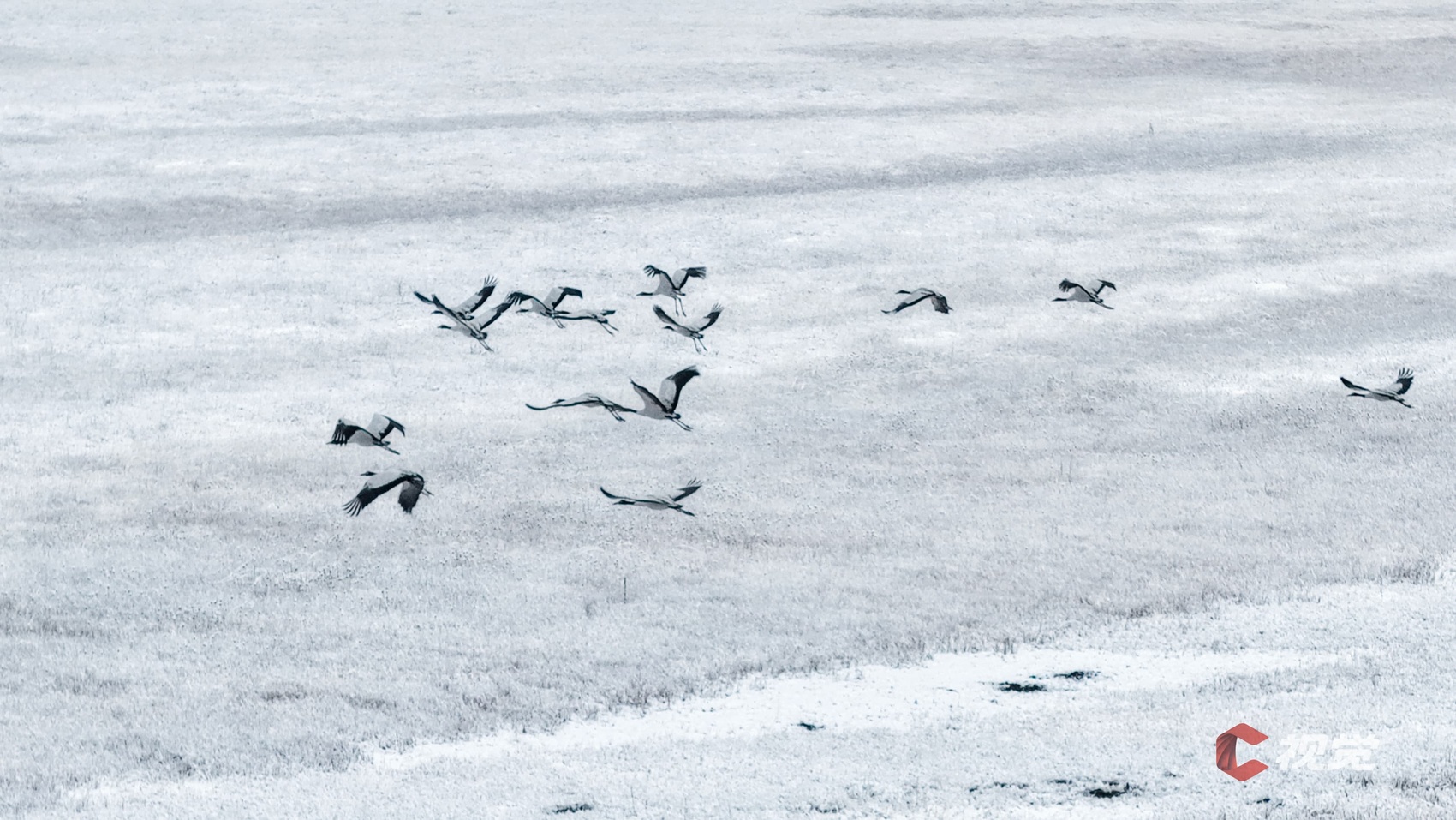
On Nov. 1, the Hongyuan Prairie in Aba Tibetan and Qiang Autonomous Prefecture experienced heavy snowfall, during which black-necked cranes, a Class I state-protected species, were seen flying through the snow
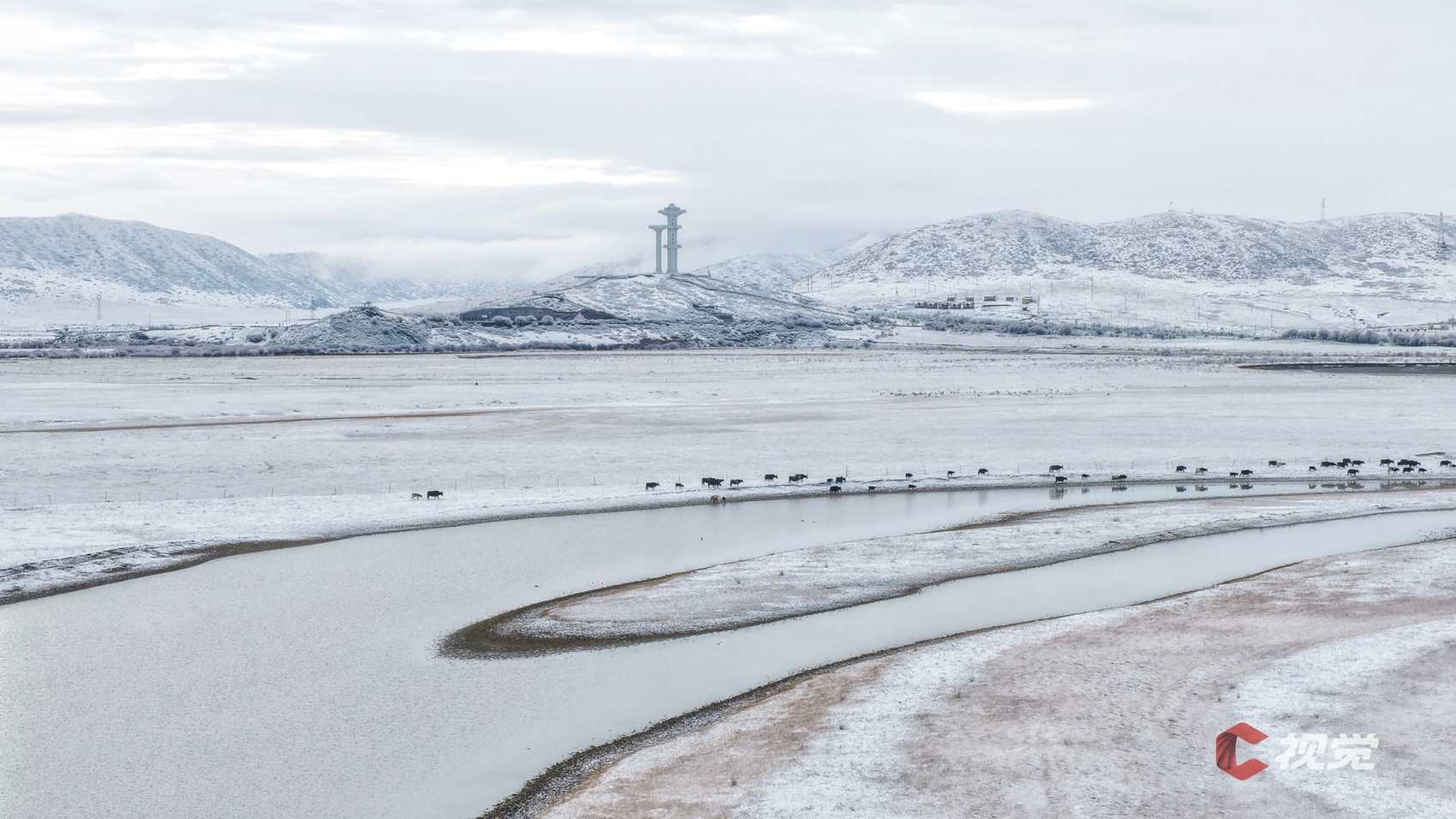
On Nov. 1, heavy snow blanketed the Hongyuan Prairie in Aba Prefecture, where meandering streams wind through the landscape, presenting a panoramic view of the plateau wetland ecosystem
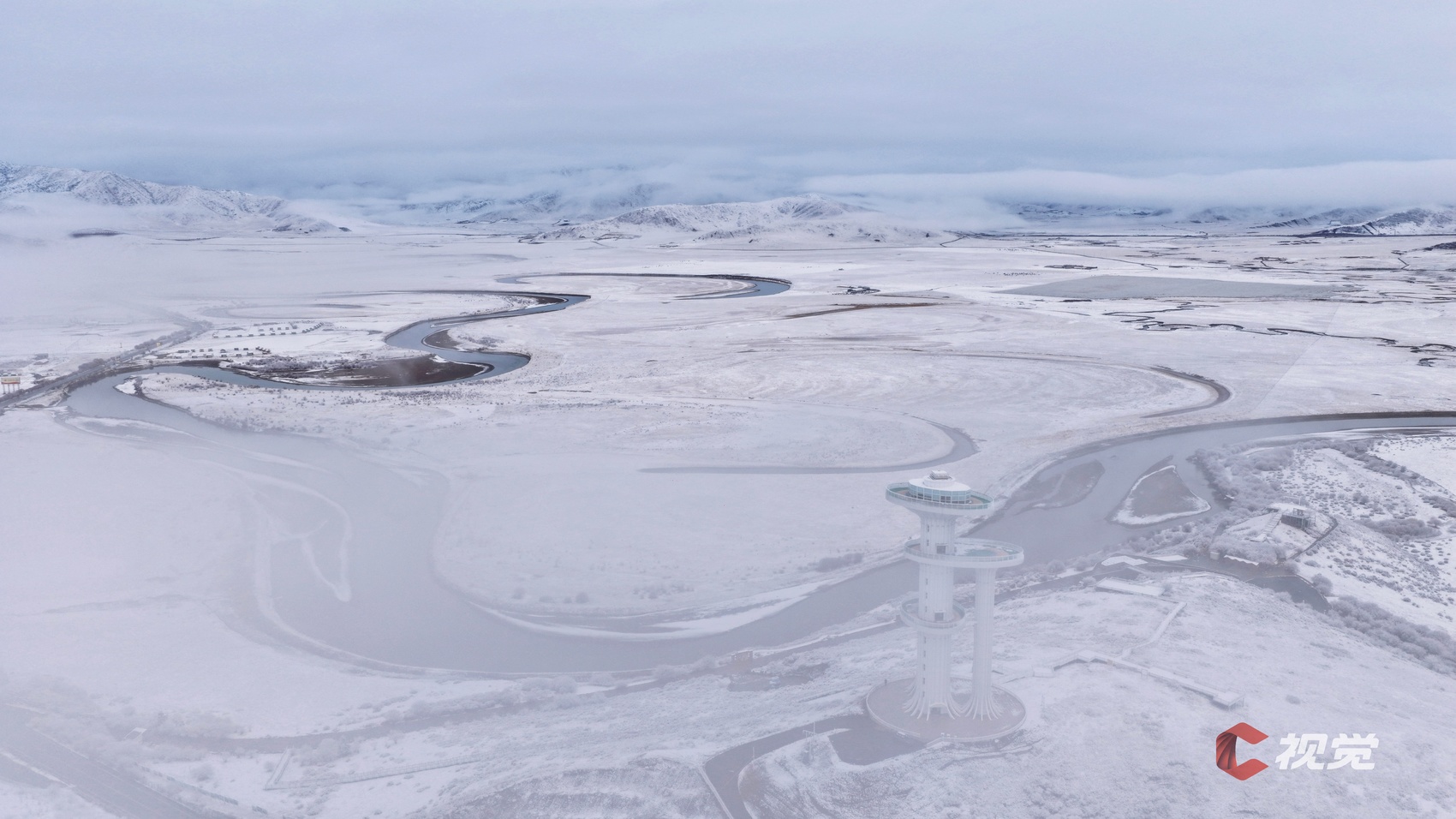
On Nov. 1, heavy snow blanketed the Hongyuan Prairie in Aba Prefecture, where meandering streams wind through the landscape, presenting a panoramic view of the plateau wetland ecosystem
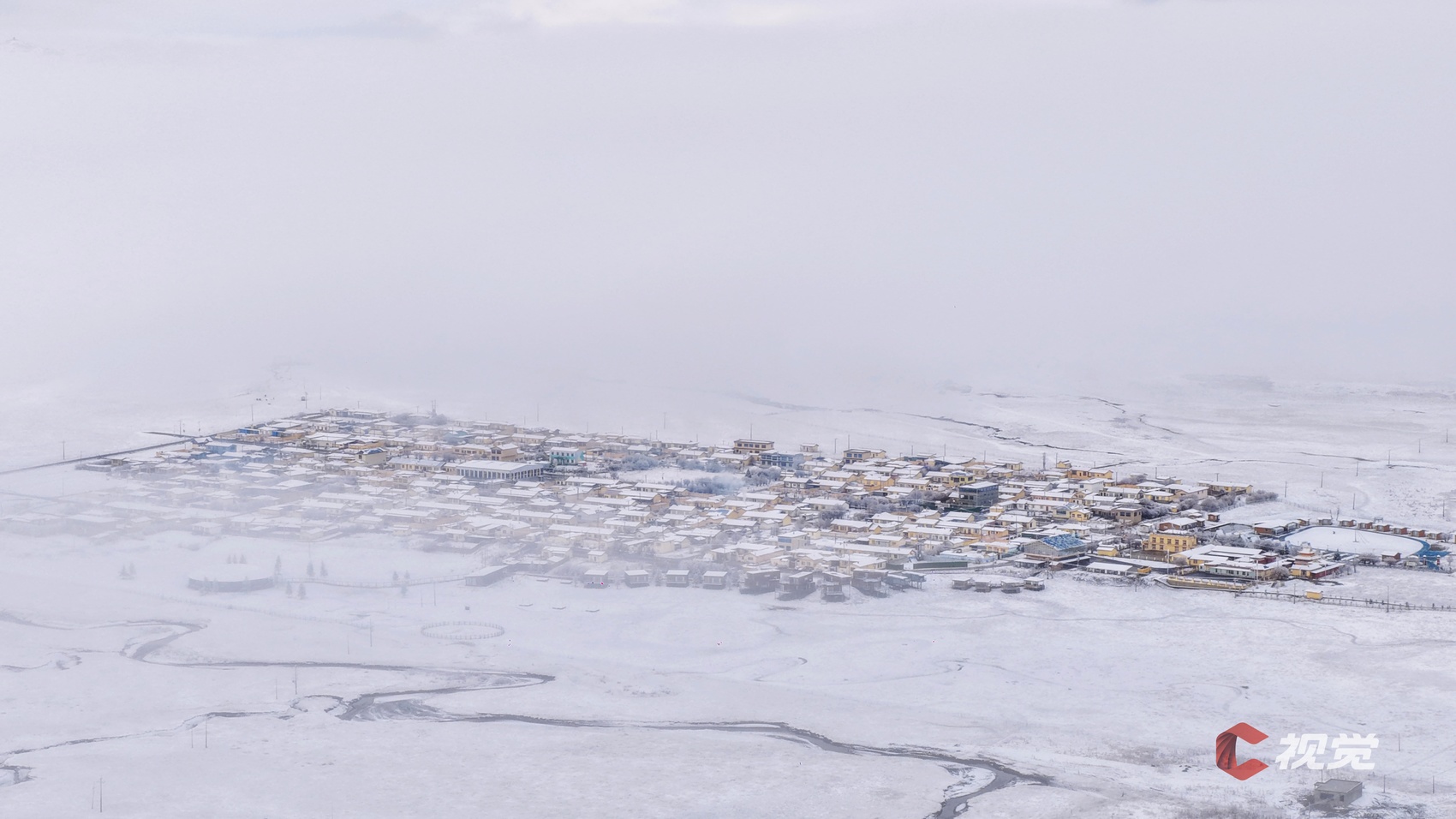
On Nov. 1, Xiaharama Village in Anqu Town, Hongyuan County, was blanketed in heavy snow
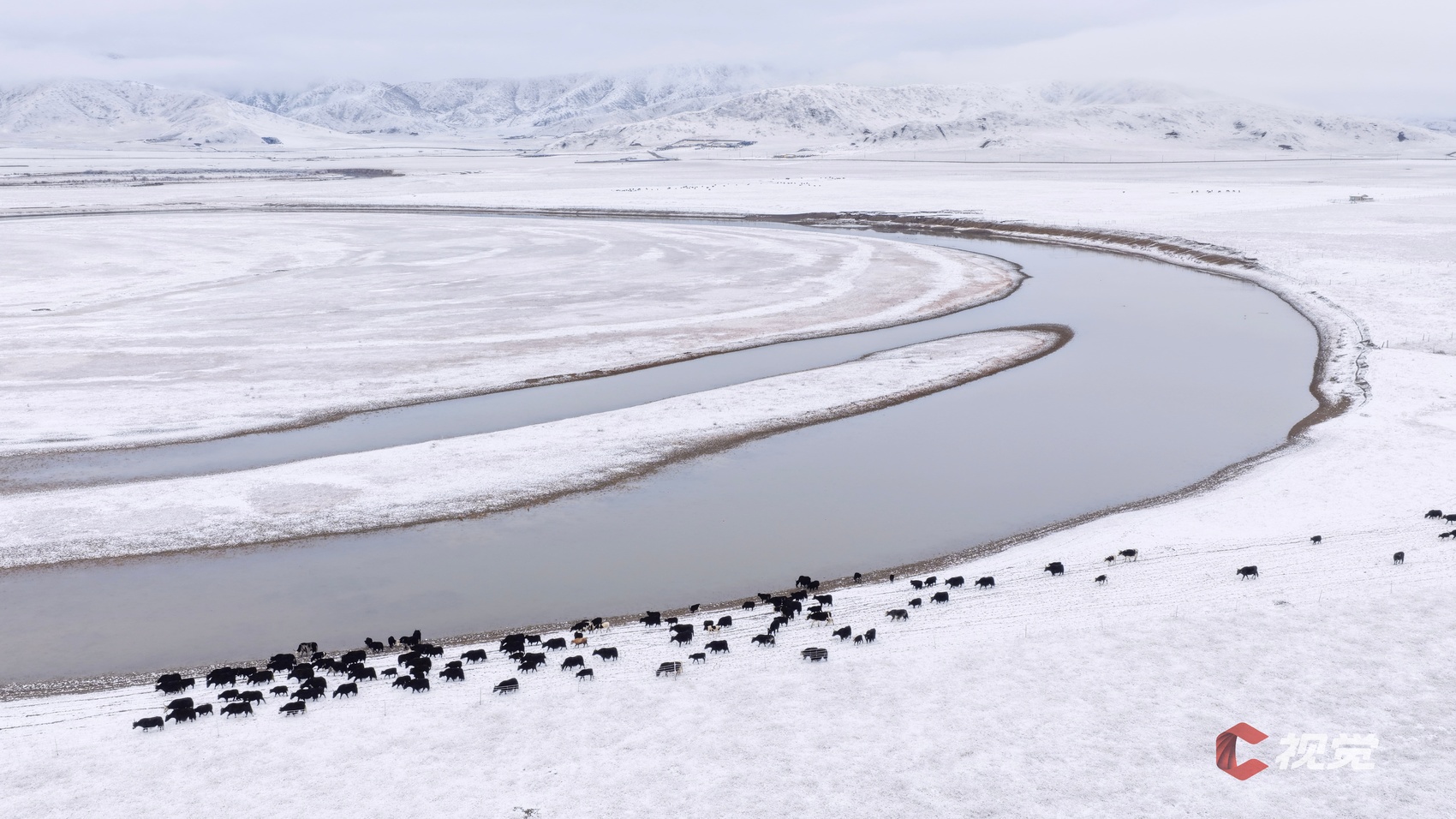
On Nov. 1, heavy snow fell across the Hongyuan Prairie in Aba Prefecture, as herds of yaks trekked through the snow-covered landscape
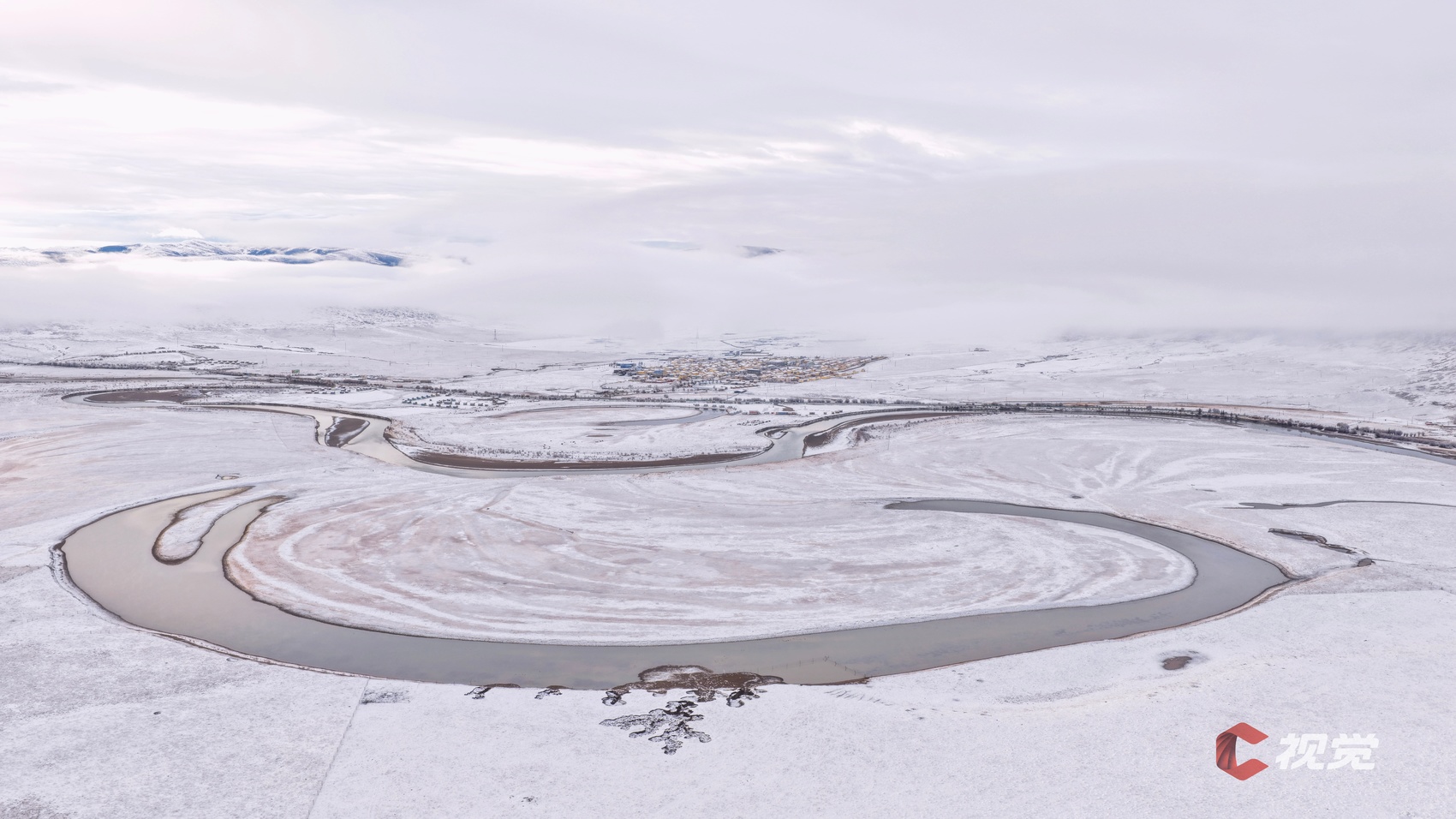
On Nov. 1, heavy snow blanketed the Hongyuan Prairie in Aba Prefecture, where meandering streams wind through the landscape, presenting a panoramic view of the plateau wetland ecosystem
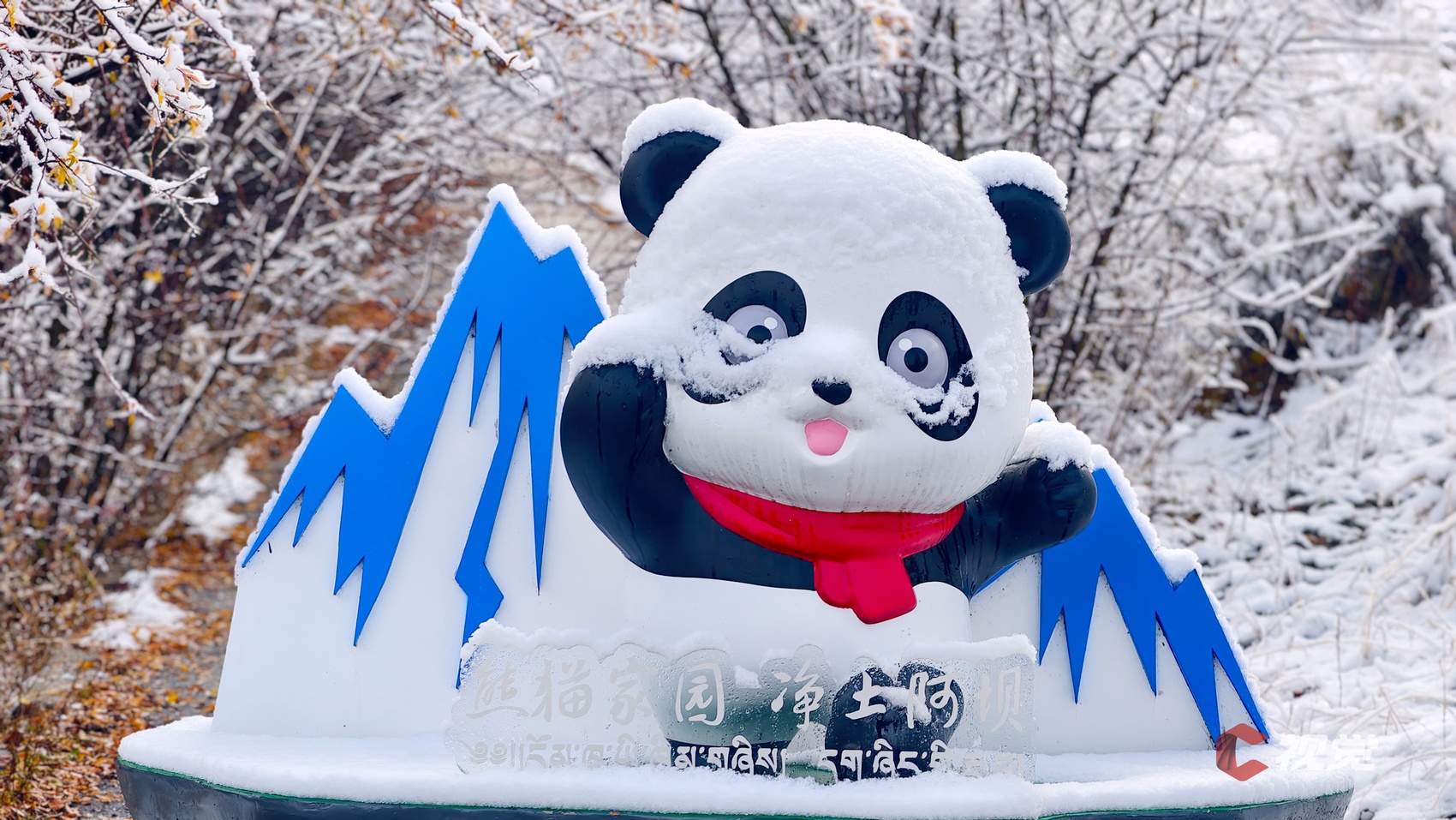
On Nov. 1, the Hongyuan Prairie in Aba Prefecture experienced heavy snowfall
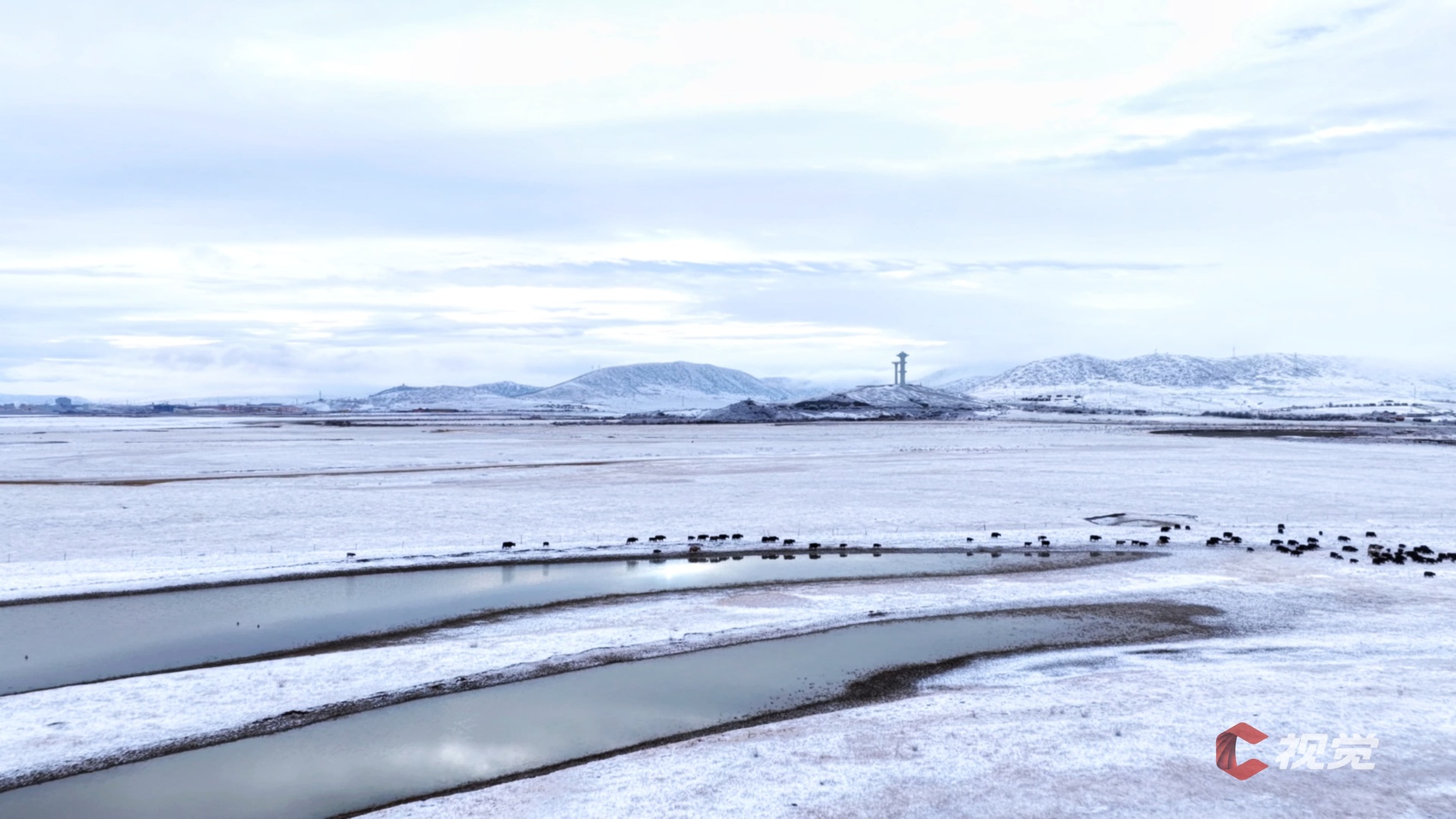
On Nov. 1, the Hongyuan Prairie in Aba Prefecture experienced heavy snowfall, as herds of yaks trekked through the snow
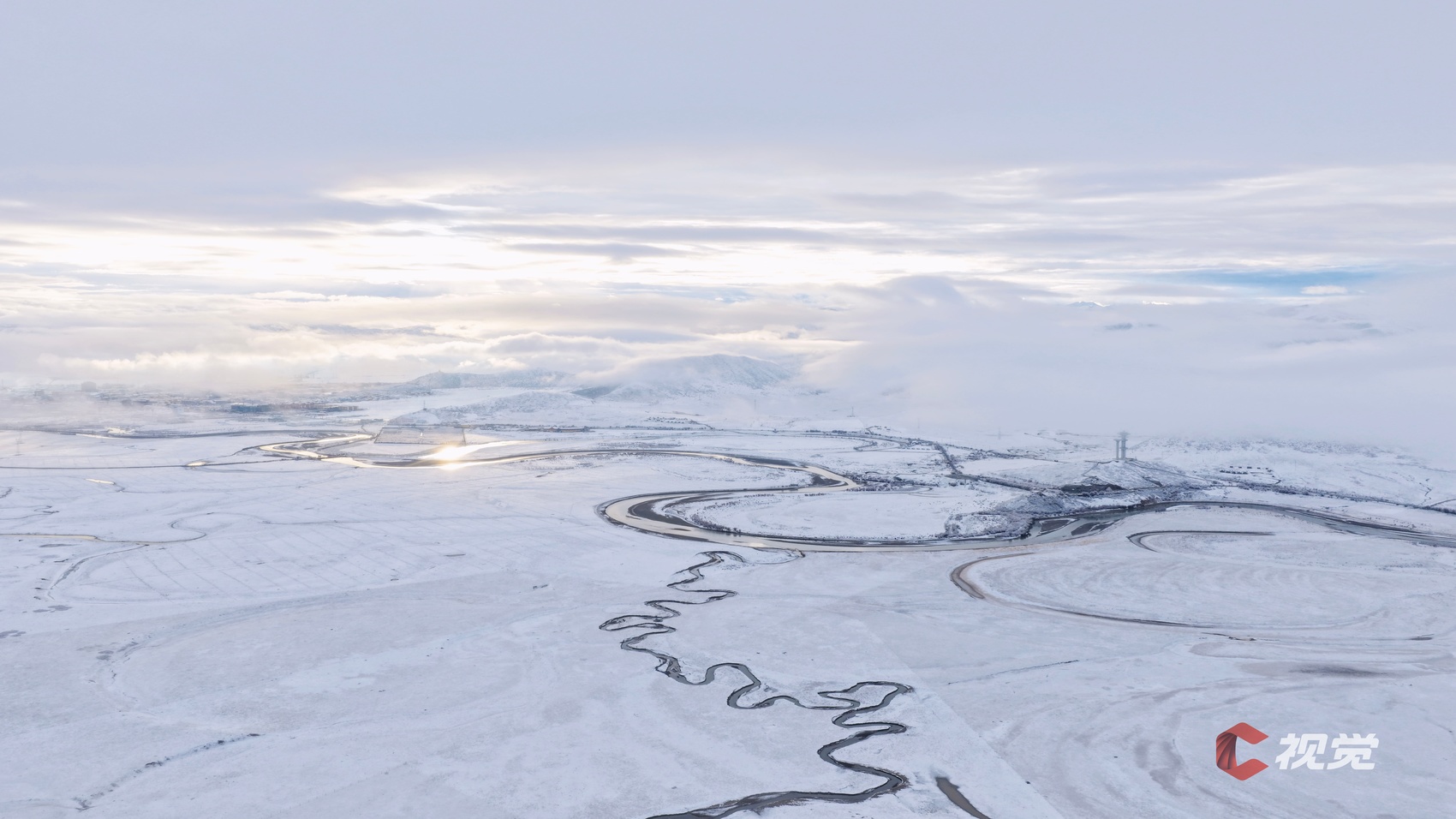
On Nov. 1, heavy snow blanketed the Hongyuan Prairie in the Aba Tibetan and Qiang Autonomous Prefecture, where meandering streams wind through the landscape, presenting a panoramic view of the plateau wetland ecosystem
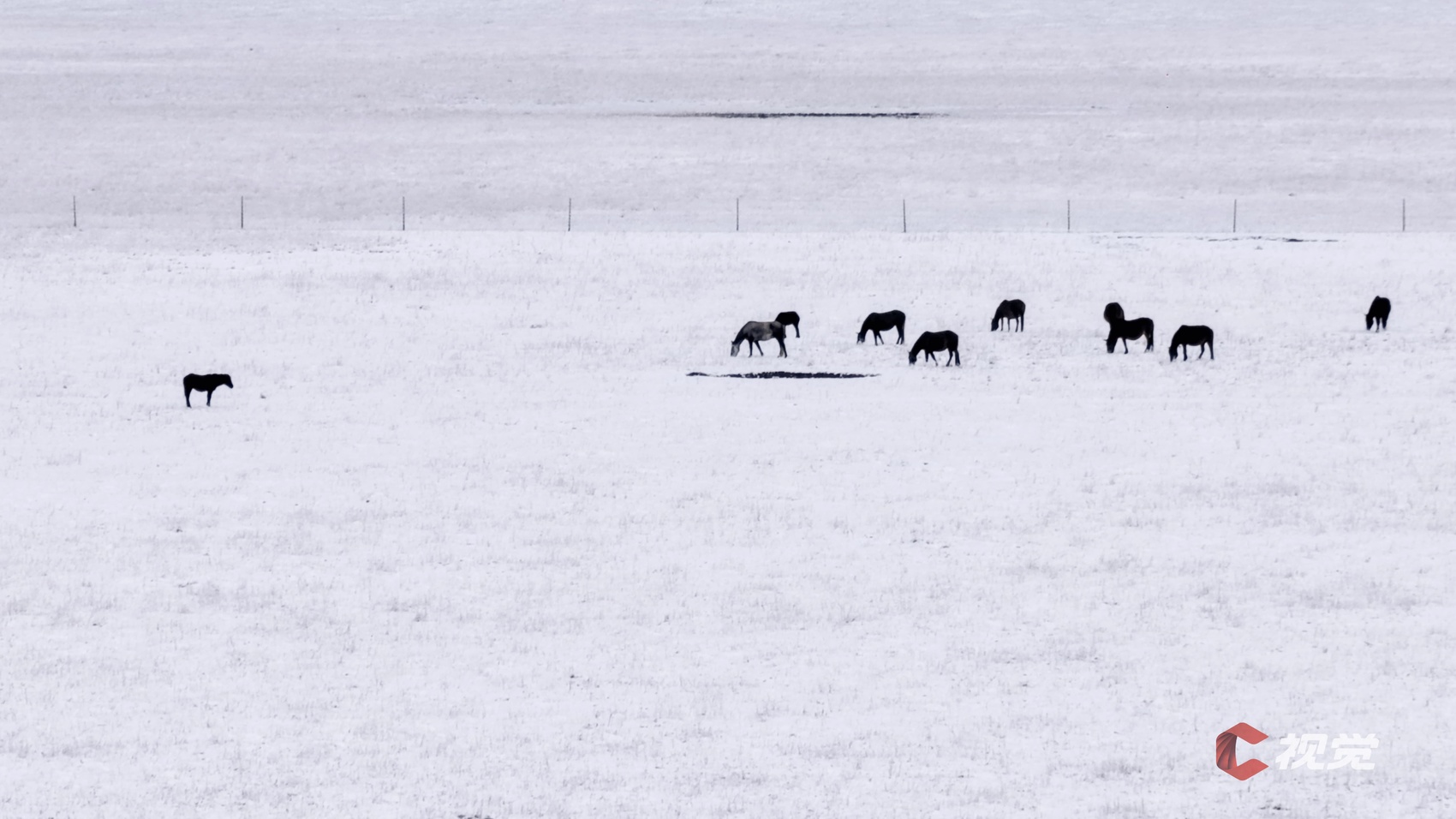
On Nov. 1, heavy snow fell on the Hongyuan Prairie in Aba Prefecture, as herds of yaks trekked through the snow
According to forecasts, daytime temperatures in Hongyuan will remain around 11 degrees Celsius over the next three to five days, while nighttime lows will range from minus 3 to minus 5 degrees Celsius. With a diurnal temperature variation exceeding 15 degrees Celsius, the weather will exhibit the typical pattern of being "warm under the sun by day and freezing at night".
Light snow is expected to persist after the fifth day, potentially leading to temporary closures at certain scenic spots; travelers are advised to verify road conditions and the operational status of attractions and accommodations before departure. Given the significant temperature fluctuations on the plateau, visitors should pack thick down jackets, hats, and gloves to ensure both sun protection during the day and warmth at night. When driving, maintain a low and steady speed, avoiding sudden braking or sharp steering; when passing through pastoral areas, if yaks are crossing the road, please stop and wait patiently without honking to drive them away.
【本篇文字部分内容由 AI 辅助写作,特此声明。Please note: the text in this article was created with the help of AI.】
