
Sichuan Forum: Moving Heritage From Viral Hits to Daily Life
2026-11-02 17:06:03 by Queenie Tan
On October 31, the 2026 Tianfu Forum on Chinese Culture opened in Chengdu. That afternoon, a parallel forum titled Public Communication of Heritage Values was held at the Tianfu International Conference Center. Guests from various fields, including intangible cultural heritage (ICH) protection, archaeology and museology, higher education institutions, internet platforms, and media outlets, gathered to conduct in-depth discussions on a core issue: how to ensure that heritage truly integrates into and remains part of people's daily lives after successfully "breaking out of niche circles".
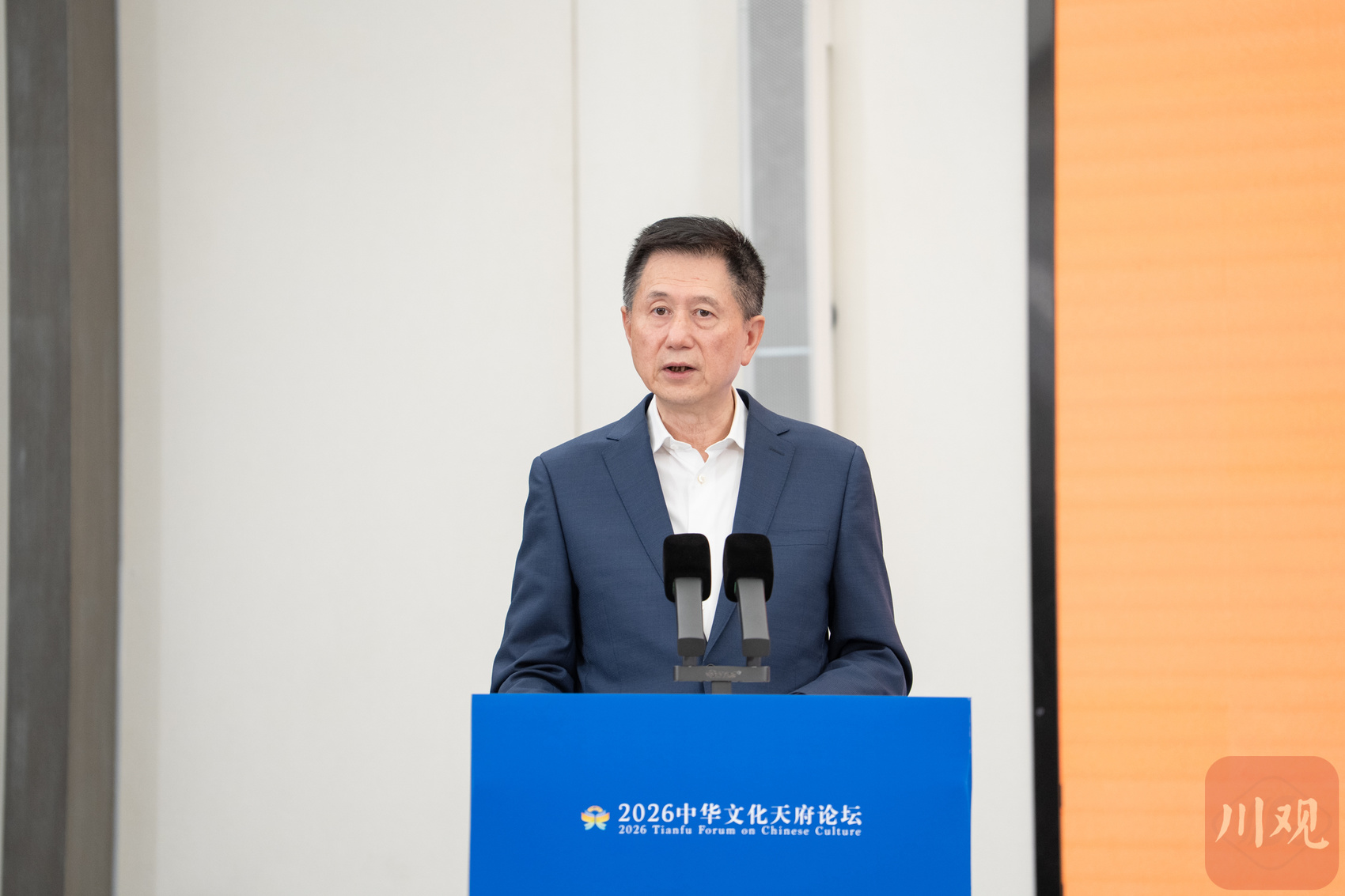
Wang Xiaofeng
Wang Xiaofeng, President of the China Intangible Cultural Heritage Protection Association, noted that ICH has currently sparked a nationwide trend. Formats such as short videos, ICH markets, and youth participation have made ICH "visible", completing the first phase of its mission. The key moving forward lies in promoting ICH so that it is "utilized, participated in, and integrated into daily life". He emphasized that ICH should not merely serve as a "cultural spectacle" for onlookers but must return to three specific scenarios—production, consumption, and education—becoming something that can be eaten, worn, used, played with, experienced, and participated in.
Zhan Changfa, a researcher at the Chinese Academy of Cultural Heritage, summarized the relationship between cultural heritage protection, dissemination, and revitalization with the phrase "retained, widely disseminated, and well utilized". He argued that protection serves as the foundation, while dissemination feeds back into revitalization; the three form a cyclical rather than parallel relationship. Citing practices in Sichuan Province, such as those involving the Leshan Giant Buddha and the Anyue Grottoes, he pointed out that while digital collection can preserve information, enabling the public to truly appreciate the value of heritage requires the combined effect of scenarios, content, spaces, and emotional connections.
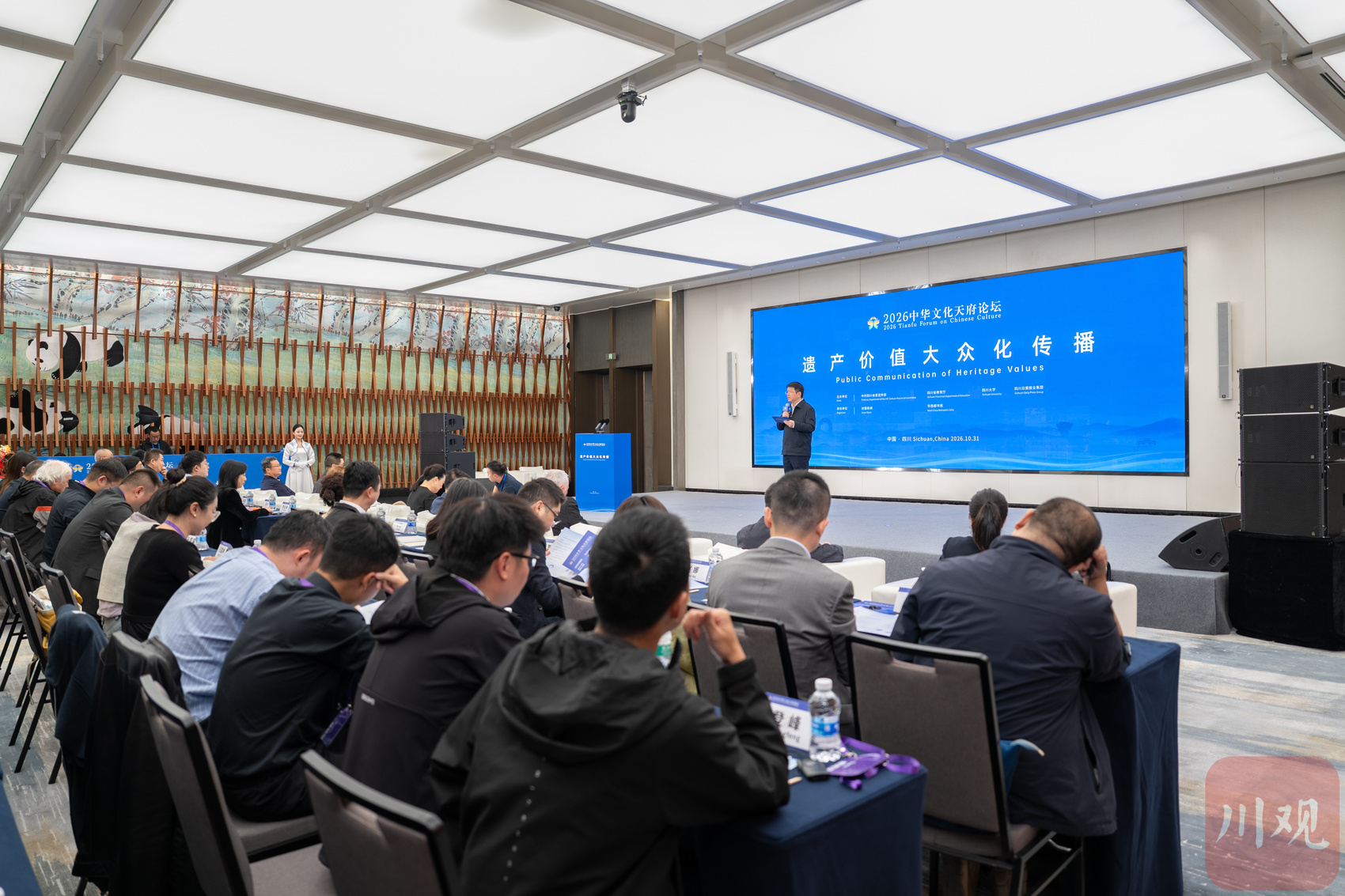
At the Forum Venue
The phenomenon of "breaking out of niche circles" extends beyond academic communities to mobile screens. Wang Zhong, the creator behind the online influencer account "Shu San Shao", stated that self-media creators need to transform hardcore knowledge into rigorous yet relatable stories grounded in everyday life. Zhang Sisi, Dean of the School of Fine Arts at Chengdu University, introduced how universities are integrating innovative ICH design with industry. From Shu brocade databases and AI-powered fashion shows to medal ribbons for the FISU World University Games and city-themed gifts, ICH is entering contemporary life scenarios through design.
Extensive connectivity and collaborative creation have emerged as a consensus. Zhao Congcang, a professor at Northwest University, proposed breaking down barriers between professional discourse and public perception, as well as between short-term traffic and long-term preservation. He called for establishing a two-way empowerment mechanism for communication between archaeologists and media professionals.
The forum unveiled an "AI + Digital Culture Solution System". In collaboration with the Sichuan Provincial Institute of Cultural Relics and Archaeology, the Sichuan Daily Group has completed the digital collection of more than 40,000 cultural relics, and a digital exhibition on ancient Shu civilization has been launched in 15 countries. This solution follows a pathway of "multimodal revitalization, full-chain conversion, and omnimedia dissemination" to help cultural symbols become both visible and understood.
In the culminating session of the forum, the "Co-creation Alliance for Disseminating Cultural Heritage Values" was officially launched. The alliance brings together diverse stakeholders to integrate five key links: content production, external publicity, resource conversion, scenario implementation, and online services.
Shifting focus from an "ICH craze" to a "lifestyle trend", the forum turned attention to more practical concerns: when the traffic fades, can heritage remain present in communities, on dining tables, in classrooms, and in the daily expressions of young people? Popularity does not equate to vitality, nor does web traffic guarantee the power of inheritance. Ultimately, the popularization of heritage values must answer one fundamental question: can it truly become an integral part of people's lives?.
【本篇文字部分内容由 AI 辅助写作,特此声明。Please note: the text in this article was created with the help of AI.】
