
Sichuan: CO2 Tech Boosts Camellia Oil Yield
2026-10-14 12:00:35 by Queenie Tan
On Oct. 12, Longtan Village in Shiyanqiao Town, Longchang City, ushered in the harvest season for oil-tea camellia. Across thousands of mu of old-growth forests, branches were laden with green and yellow translucent camellia fruits. Villagers moved nimbly through the groves, skillfully picking the fruit in a scene of bustling activity.
"The growth cycle of oil-tea camellia fruit spans a full year. The fruit that set last year is harvested this year, while this year's flower buds are already swelling, so two years' worth of harvest can be seen on a single tree", said Shi Guoqing, head of Neijiang Yunhan Agriculture Co., Ltd. Parting the branches to reveal the unique spectacle of flowers and fruit coexisting on the same branch, he pointed out small flower buds poised to bloom beside plump, mature fruit.
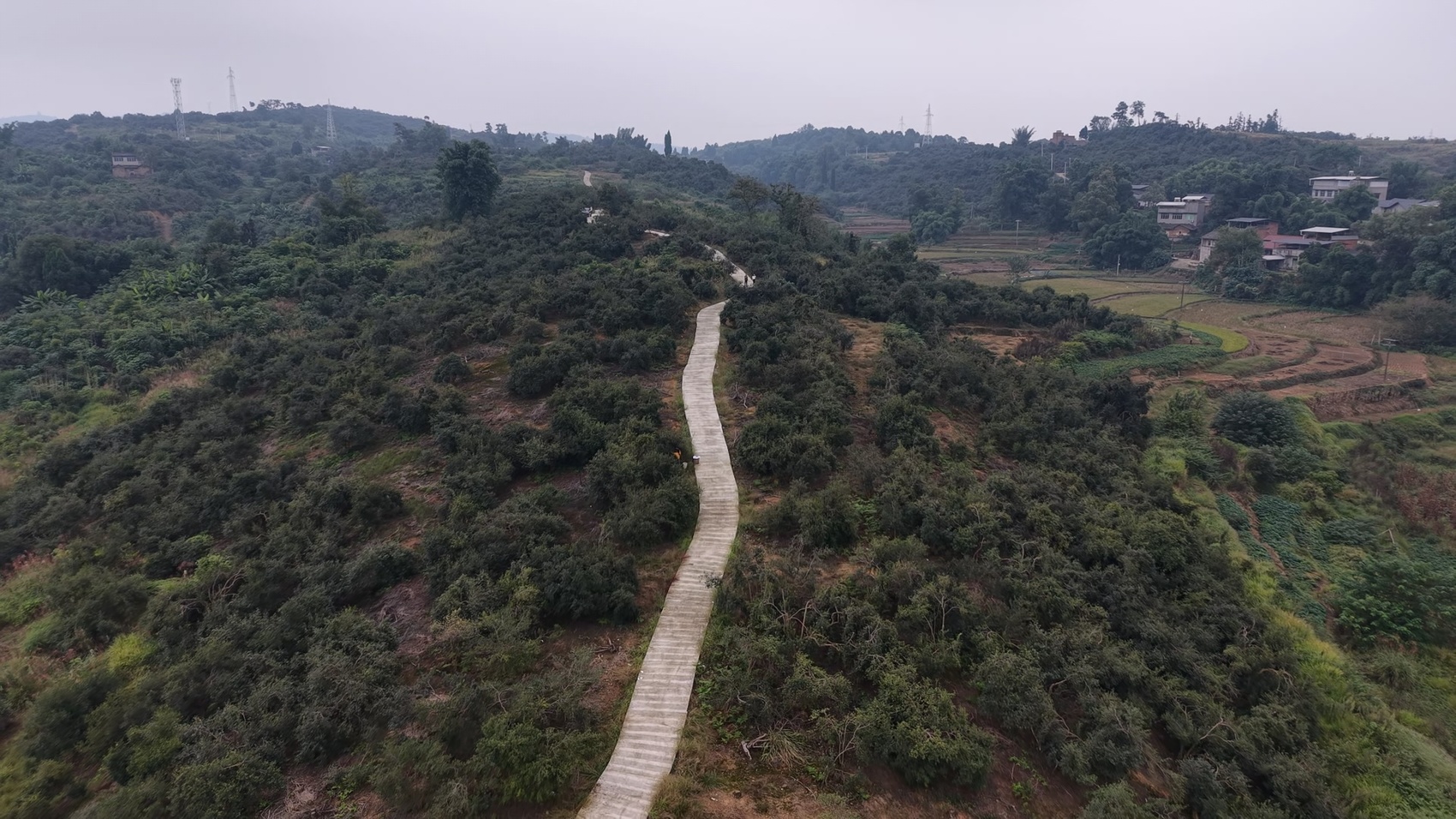
An aerial view of the oil-tea camellia forest in Shiyanchiao Town. Photo courtesy of the Publicity Department of the CPC Longchang Municipal Committee
Dozens of workers carrying baskets bustled through the verdant tea groves. Villager Fan Sixian gently pulled back branches and pinched the fruit stems to pick them carefully, filling half a basket in just over ten minutes. "Picking requires care not to damage the flower buds; otherwise, next year's harvest will suffer," he noted. Working close to home not only increases income but also demands meticulous care for the future of the trees.
Shiyanqiao Town in Longchang retains extensive century-old oil-tea camellia forests. Sifangjing Village is even home to an "Oil-Tea Camellia King" over 600 years old that still bears fruit annually. Shi Guoqing explained that in the past, these old trees relied entirely on weather conditions, and inadequate management led to low fruit yields. Today, however, cultivation and maintenance have become far more sophisticated.
Since 2024, enterprises have introduced scientific management techniques to rejuvenate the old trees. Professional technicians regularly enter the groves to prune crossing, diseased, pest-infested, and weak branches, optimizing tree structure as well as ventilation and light penetration. A supporting sprinkler irrigation network is set to be put into operation soon, completely ending reliance on rainfall and enabling precision management.
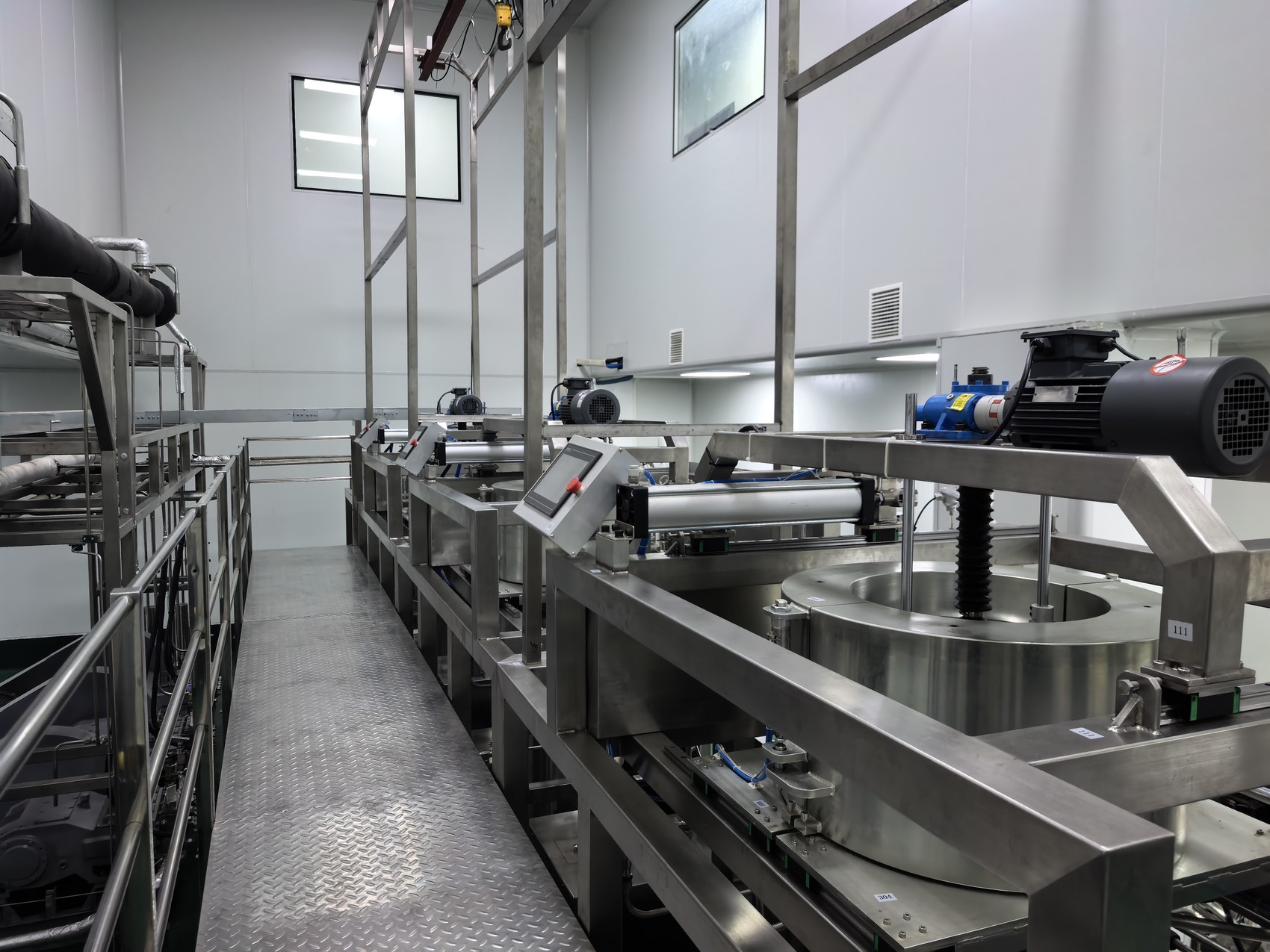
A supercritical carbon dioxide low-temperature extraction unit is in operation. Photo courtesy of Yunhan Agriculture
Refined management has tripled the per-mu yield of the old-growth forests. Despite weather fluctuations this year, stable tree vitality and scientific management are expected to enable the 1,200 mu of old forest contracted by Shi Guoqing to produce 200,000 jin of fruit, demonstrating strong risk resilience and production potential.
Innovation has also transformed processing, overcoming traditional shortcomings. Inside the drying facility, fresh fruit undergoes fully mechanized operations including sorting, preliminary drying, and shelling. For the core extraction stage, supercritical carbon dioxide low-temperature extraction equipment—jointly developed by Yunhan Agriculture and a team from Sichuan Agricultural University—has been introduced, significantly enhancing processing capacity.
Traditional pressing methods yield low oil output, and high temperatures easily degrade nutritional value. The newly adopted carbon dioxide low-temperature extraction technology uses food-grade carbon dioxide as a solvent to selectively dissolve oils and active substances under supercritical conditions, leaving no solvent residue. This technology increases oil yield by approximately 20 percent, and low-temperature processing fully preserves active ingredients, resulting in oil quality indicators far exceeding national standards.
New technologies maximize resource value. Previously discarded tea fruit husks and tea seed cakes can now be processed to extract tea saponin, tea polyphenols, and other compounds, achieving comprehensive utilization. This expands value-added opportunities within the industry, propels the oil-tea camellia sector toward intensive and deep processing, and boosts overall economic returns.
Locally, authorities have adhered to technology-driven cultivation, inviting experts to guide improved variety breeding and seedling promotion. Policy support has also been strengthened through the integration of agriculture-related funds, providing a provincial subsidy of 1,000 yuan per mu for newly planted forests. From 2022 to 2025, Longchang added 18,000 mu of oil-tea camellia forest, bringing the scale of its modern industrial base to 44,000 mu and solidifying the foundation of the industry.
Currently, Longchang has 62,000 mu of oil-tea camellia plantations, and its comprehensive output value is projected to exceed 110 million yuan in 2025. The city has been recognized as a county for high-quality development of oil-tea camellia under Sichuan Province's "Tianfu Forest Granary" initiative. Locally, three deep-processing enterprises and more than 30 cooperatives have been cultivated, eight distinctive brands created, and a complete industrial chain established.
Looking ahead, local authorities plan to develop "year-round tourism" routes leveraging the vast plantation bases and ancient millennium-old trees, pursuing integrated development of agriculture, culture, and tourism. The town has already built an oil-tea camellia theme park, camping sites, and boutique homestays, and launched experiential activities such as flower viewing and fruit picking, making the oil-tea camellia industry a hallmark of rural revitalization.
【本篇文字部分内容由 AI 辅助写作,特此声明。Please note: the text in this article was created with the help of AI.】
