
Sichuan: New Cargo Hub Boosts Air Freight Capacity Fivefold
2026-10-12 11:05:21 by Queenie Tan
On October 11, Phase II of the Sichuan Airlines International Cargo Terminal at Chengdu Tianfu International Airport passed completion and fire safety inspections, obtained customs site qualification filing, and commenced trial operations. With the activation of 8 cargo acceptance lanes and the deployment of intelligent volumetric measurement systems, Sichuan Airlines' annual international cargo and mail handling capacity at Tianfu Airport has surged from 42,000 tons to 207,000 tons, representing a nearly fivefold expansion.
This development establishes a coordinated operational framework with the Phase I terminal, characterized by "separated inbound and outbound flows, specialized operations, and intelligent workflows".
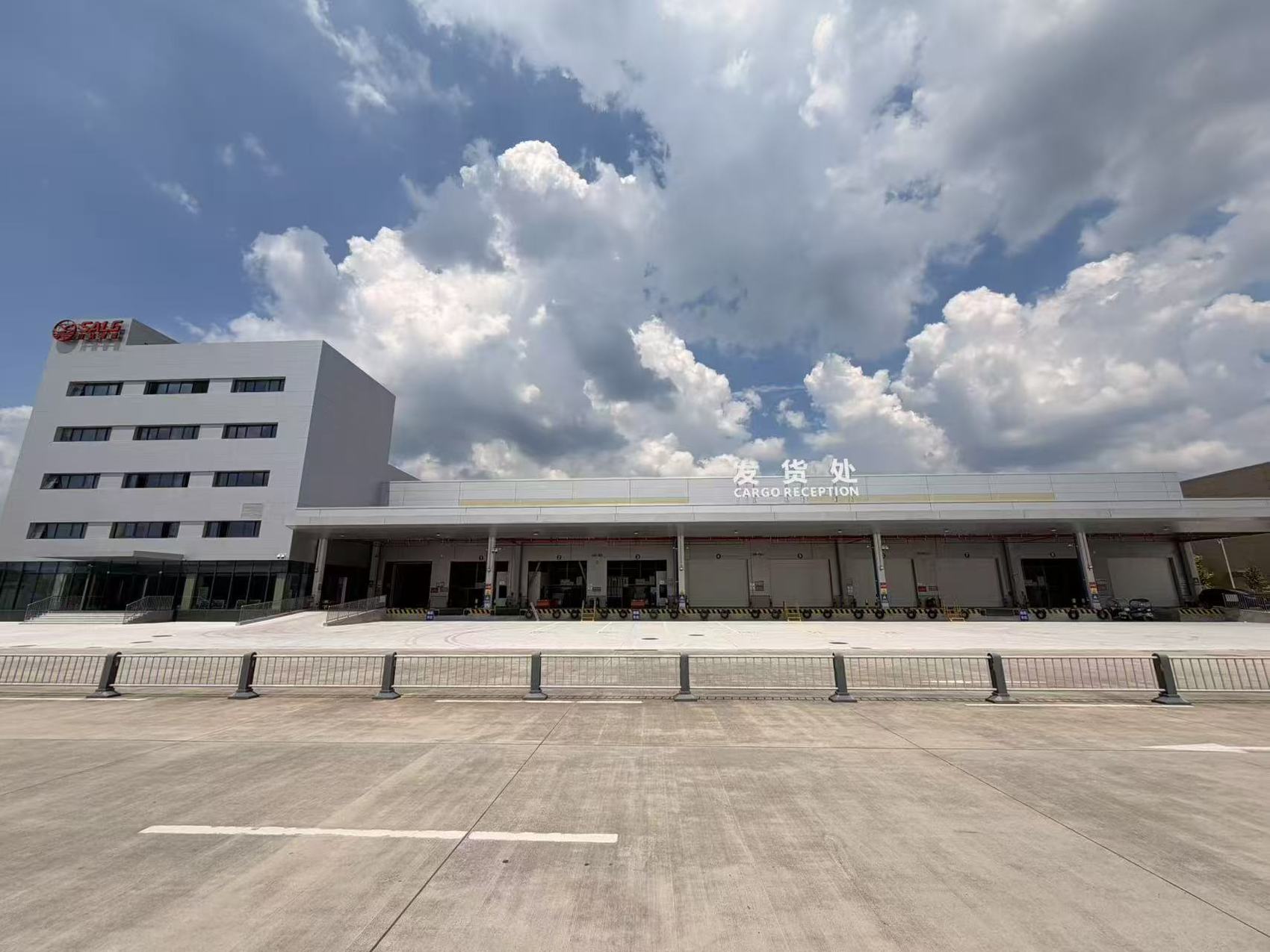
Phase II of the Sichuan Airlines International Cargo Terminal at Chengdu Tianfu International Airport
Phase II covers a floor area of 18,000 square meters, double that of Phase I, with a main warehouse clear height of 8 meters and a designed annual throughput capacity of 165,000 tons. Independent workflow routes have been planned for oversized cargo, palletized goods, and small loose parcels. The restructuring of operational workflows is pivotal: previously, both inbound and outbound operations were consolidated within Phase I, resulting in space constraints and frequent congestion. Currently, Phase I handles international arrivals while Phase II is dedicated exclusively to international departures. The number of acceptance lanes has increased to eight, physically isolating import and export flows to effectively prevent cross-interference.
Within the Phase II cargo terminal, the entire chain of operations—from cargo acceptance, security screening, and weighing to buildup and staging—is completed within the main warehouse. Outbound cargo follows the route of "gate—inspection—operations—taxiway—airside". while inbound cargo follows "entry point—landside—operations—inspection—exit park". These non-interfering flows enhance turnover efficiency. Warehousing is zoned by function, and increased storage capacity alleviates backlogs. Traffic for cargo pickup is separated from that for export delivery, ensuring smoother on-site operational order.
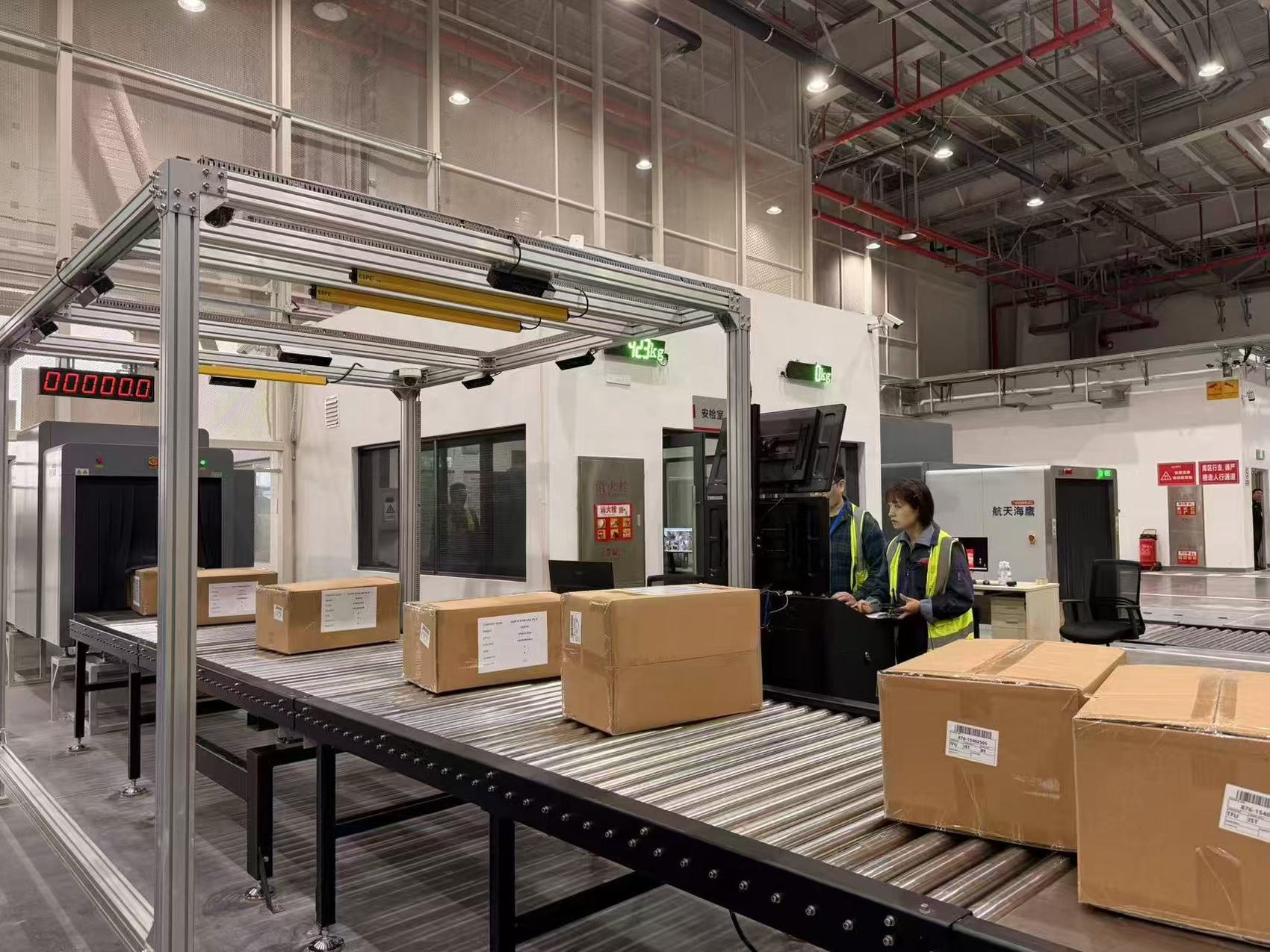
Cargo and Mail Passage at Cargo Terminal
Air transport is the preferred mode for overseas shipment of time-sensitive, high-value products such as integrated circuits and biopharmaceuticals. The additional 165,000-ton processing capacity provided by Phase II functions as a dedicated "air expressway" connecting factories in Sichuan with global markets. As air freight competition shifts from "competing for cargo space" to "competing for service quality", AI hardware and semiconductors have emerged as new growth drivers. In late August, Chengdu launched its first direct all-cargo flight route to Africa, targeting incremental demand in emerging markets.
In response to market trends, Sichuan Airlines Logistics has established a freighter fleet comprising five A330 and five A321 aircraft. Based in Chengdu, the A330 wide-body freighters operate 21 stable routes serving 12 destinations across Europe, India, and other regions. Outbound shipments to Europe and Japan consist primarily of e-commerce goods, those to India are mainly industrial components, and those to Southeast Asia are predominantly daily necessities. Return flights carry fresh produce and auto parts, machinery and spices, and fruits such as durians, respectively.
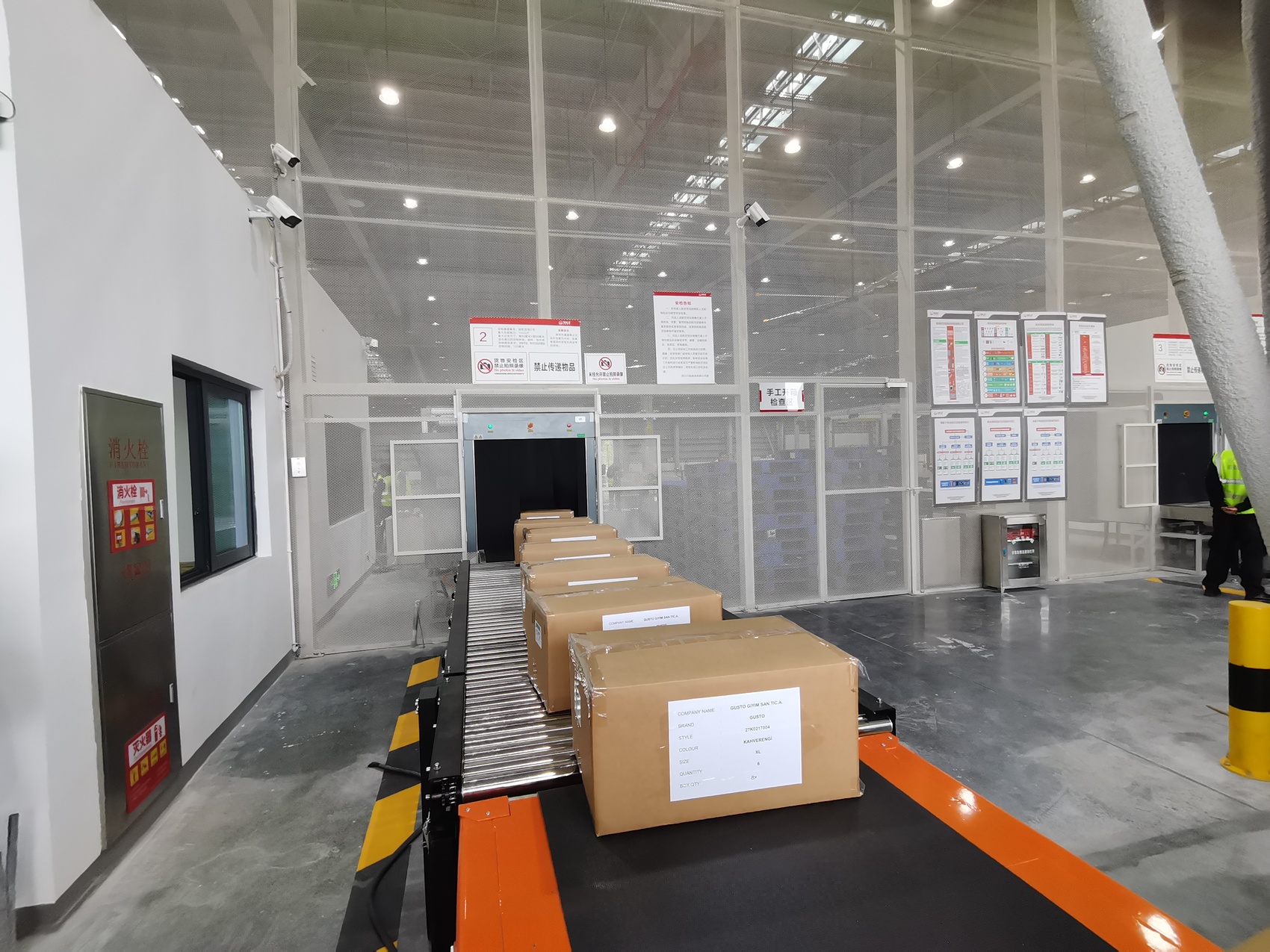
Cargo and Mail Passage at Cargo Terminal
Amid fluctuating demand, the Phase II cargo terminal leverages its channel advantages to ensure "full capacity during peak seasons and flexible adjustments during off-peak periods". Intelligent equipment is utilized to reduce unit operating costs, facilitating the global distribution of Chengdu-manufactured electronic products, innovative pharmaceuticals, and photovoltaic panels. From a hub perspective, the commissioning of Phase II completes a critical component of Tianfu Airport's infrastructure, supporting its goal of becoming a major cargo airport and distribution center in central and western China. It also contributes to the development of a five-hour "Asia-Pacific Air Cargo Circle" and an 11-hour "Asia-Europe Air Cargo Corridor".
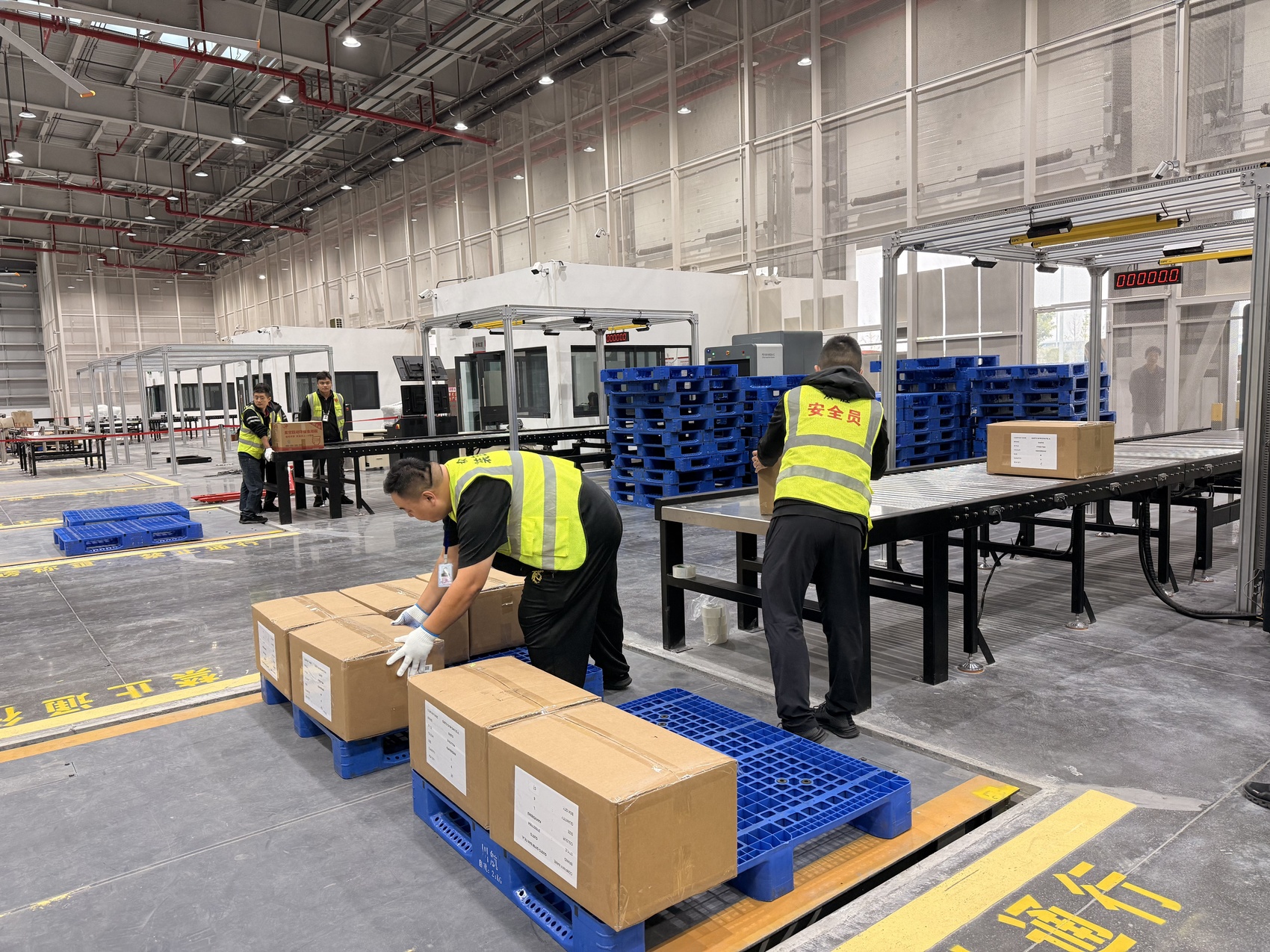
Staff members handle cargo
Concurrent with facility expansion, the route network has been further densified. This year, Chengdu has opened five new passenger and cargo routes, including one to Istanbul, bringing the total number of direct international and regional routes to 110, ranking first among cities in central and western China. Cross-airport international cargo transit operations under the "Two-Airport Integration" model have become routine. International cargo entering via Shuangliu Airport can be transferred under customs supervision to Tianfu Airport for departure without duplicate clearance procedures, achieving seamless resource connectivity and continuously enhancing Tianfu Airport's hub capabilities.
【本篇文字部分内容由 AI 辅助写作,特此声明。Please note: the text in this article was created with the help of AI.】
