
Sichuan's Luzhou: How a Music Festival Defied National Slump
2026-10-08 14:28:31 by Queenie Tan
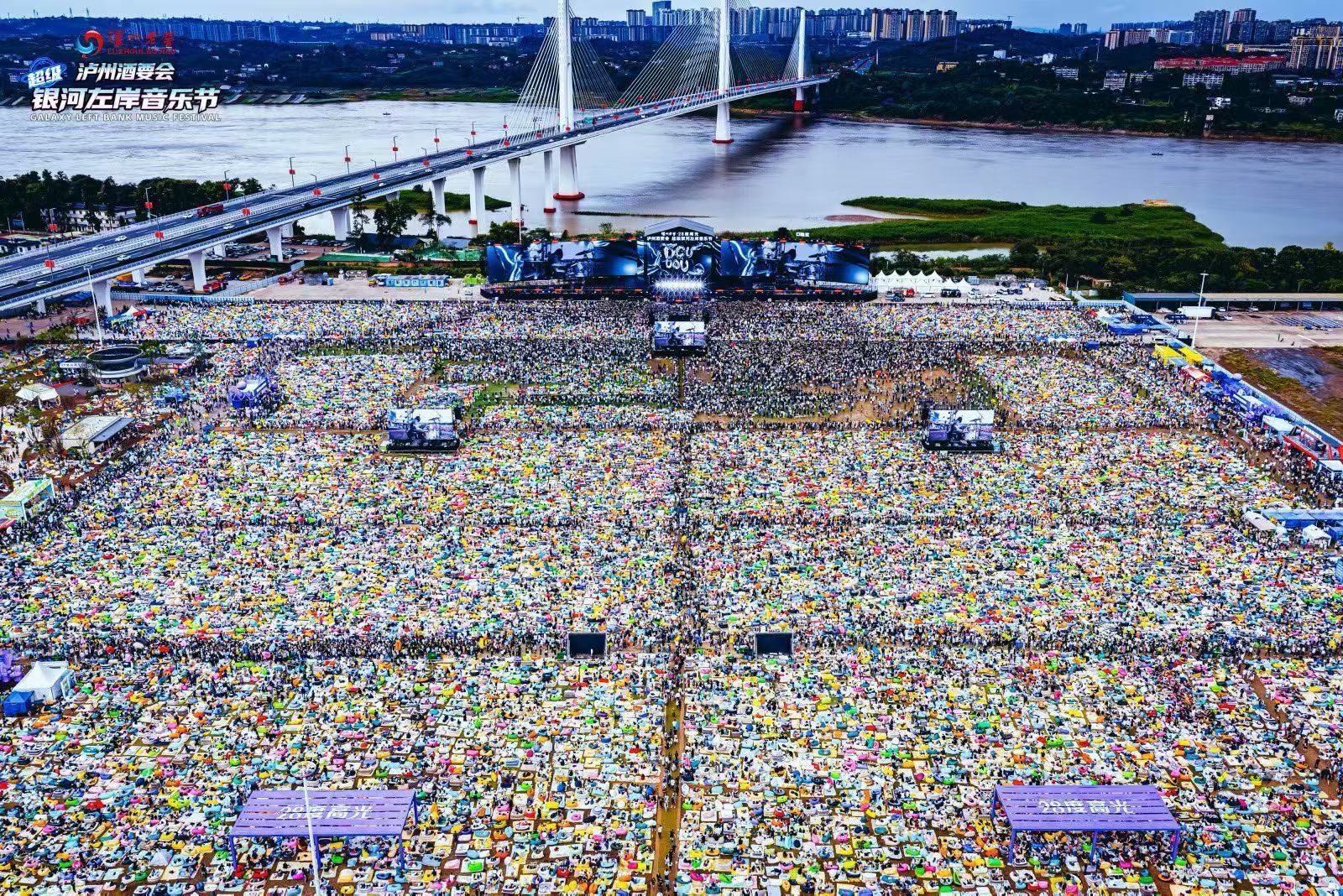
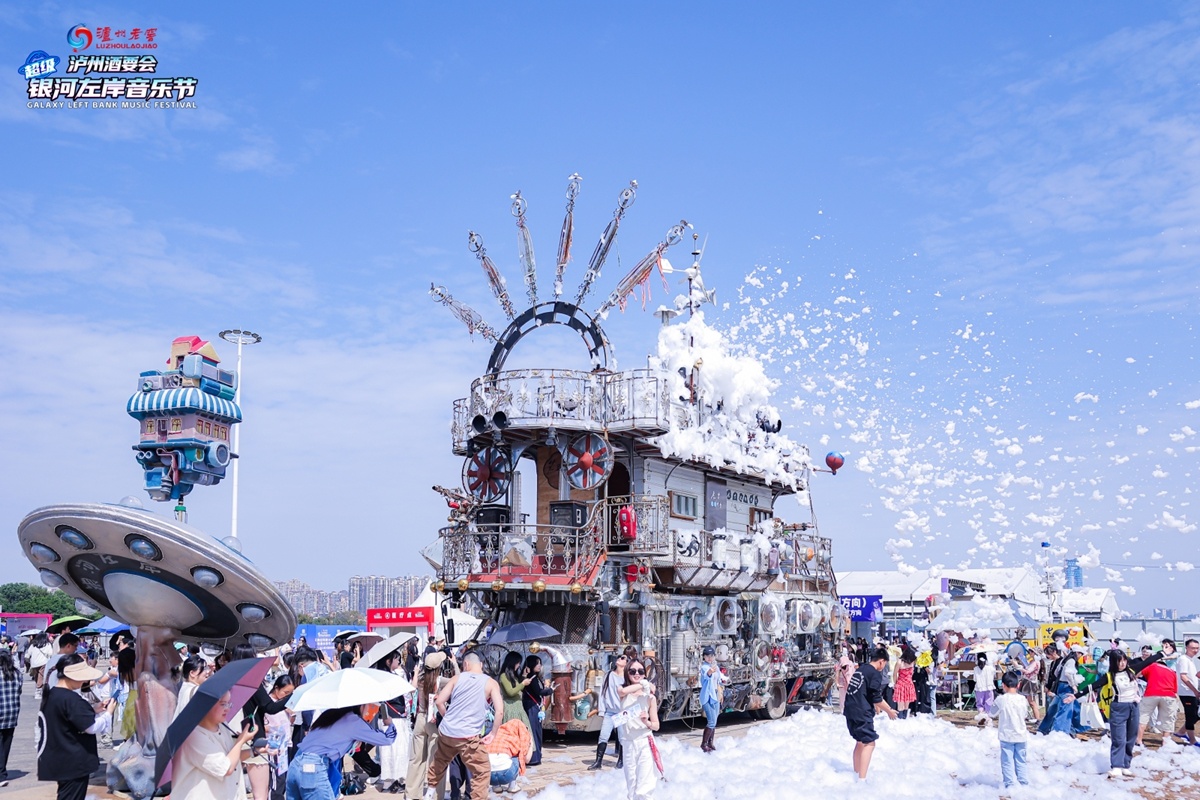
On the night of October 6, as music faded and fireworks illuminated the sky along the Yangtze River, the four-day Luzhou Jiuyaohui Super Galaxy Left Bank Music Festival concluded successfully. During the National Day holiday last year, Luzhou's inaugural foray into the music festival scene attracted 150,000 enthusiasts; this figure rose to 170,000 during the May Day holiday period this year. Over the recent National Day holiday, attendance surpassed 200,000, propelling the event to the top of national ticket sales charts for the third time and setting multiple city records. For the first time, out-of-city attendees accounted for over 90% of ticket holders, with those from other provinces exceeding 50%. Direct revenue exceeded 100 million yuan, driving approximately 700 million yuan in peripheral consumption. Daily passenger departures reached a record high of 44,900 at the Luzhou High-Speed Railway Station. Nearly 100 hotels in the central urban area achieved full occupancy, while 350 key catering enterprises experienced peak customer traffic.
The music festival
This success stands in stark contrast to a broader cooling trend in the music festival market. Statistics indicate that in the first half of 2026, the number of large-scale music festivals and performances nationwide declined by more than 30% year-on-year, with 33 events postponed or canceled. While the industry contracts, Luzhou continues to grow. How did a fourth-tier city without any 5A-rated tourist attractions transform from a source of outbound tourism into a top-tier destination?
Two definitive answers have emerged from its exploration.
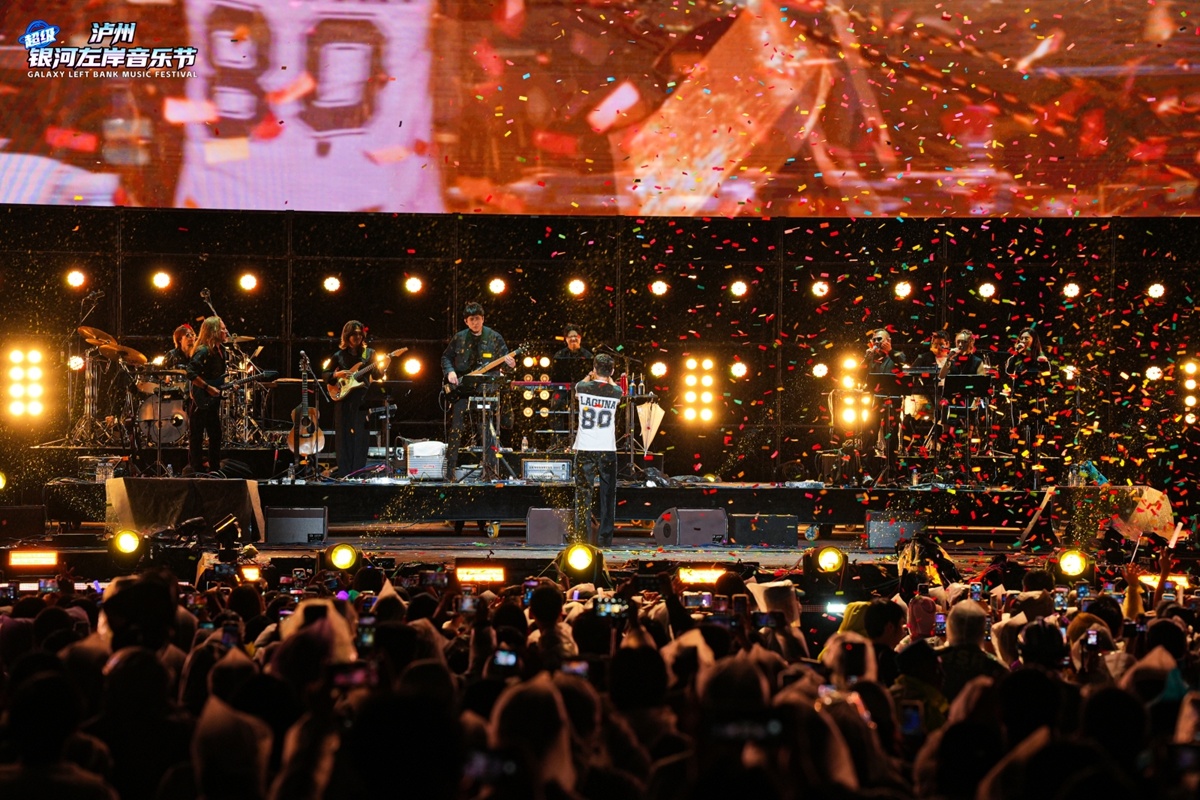
The first is the certainty of a "top-tier" performance lineup. Featuring 60 artist groups across diverse genres over four days during the National Day holiday, the festival boasted the highest number of performers nationwide for the same period, effectively condensing a three-day lineup into a single day. More than ten headline acts returned for repeat performances, underscoring the event's enduring appeal. The second answer lies in venue upgrades. The former Lantian Airport was renovated, and idle riverside spaces were repurposed with distinctive architecture, creating a new urban landmark capable of accommodating 100,000 people.
The music festival
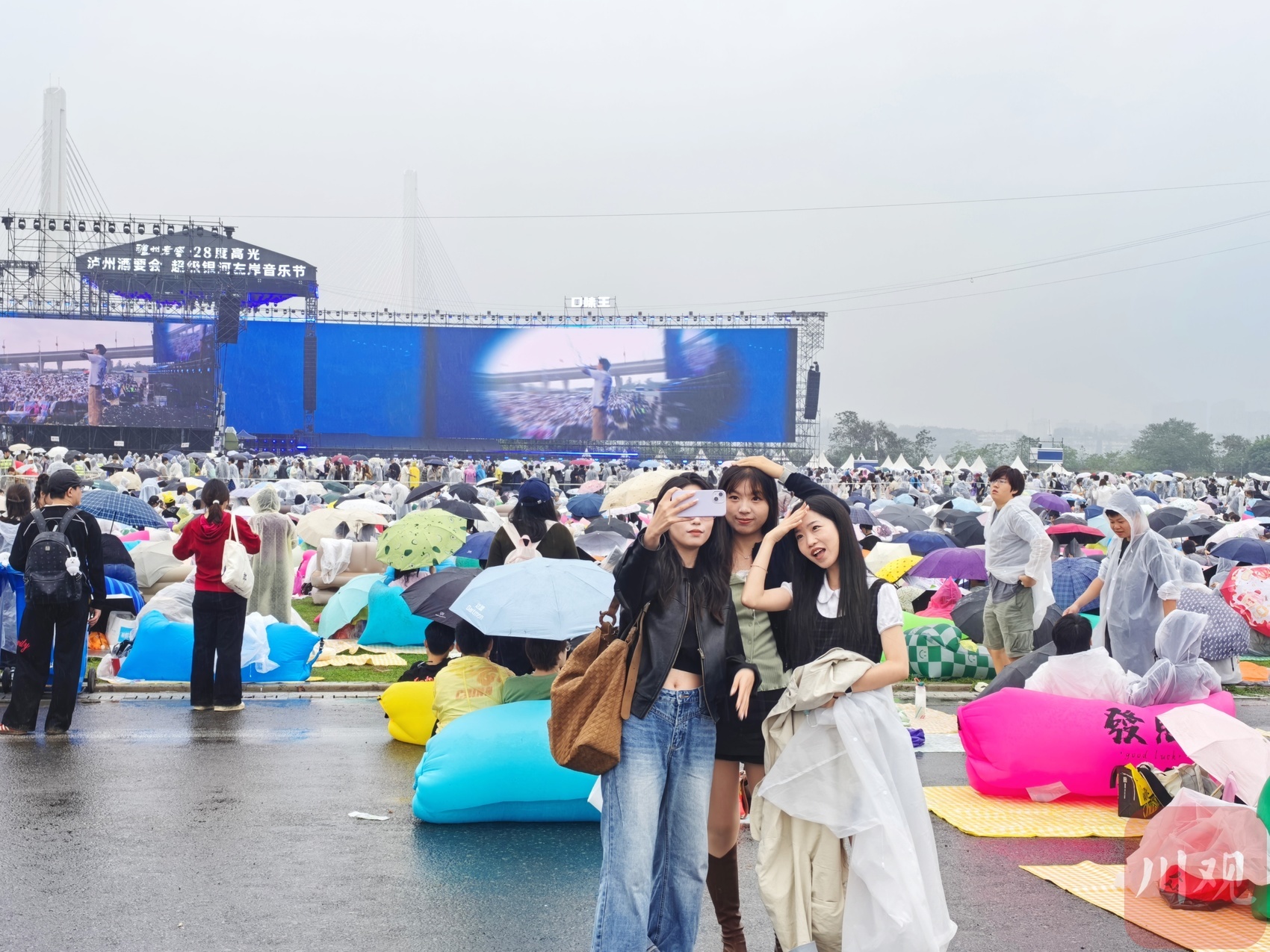
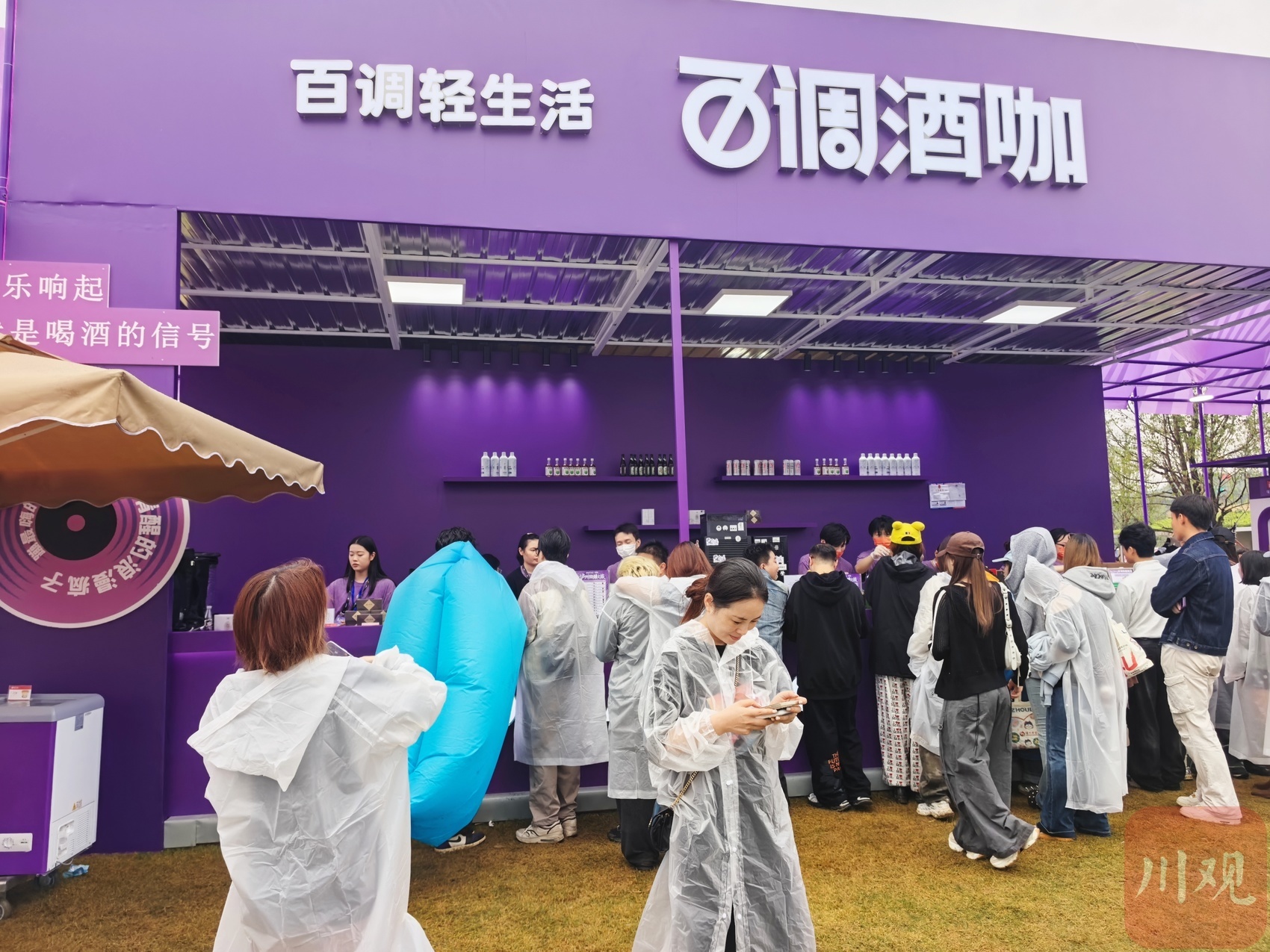
The second definitive answer is the consistent delivery of an "ultimate experience" through exceptional city services. Features including the nation's widest panoramic stage, drone fireworks displays, 72,000 complimentary welcome drinks, and free storage services fulfilled the promise: "You focus on having fun; leave the rest to Luzhou." Faced with an influx of 200,000 fans, the city meticulously managed every detail: preventing arbitrary hotel price hikes, ensuring adequate sanitation facilities, maintaining smooth traffic flow, guaranteeing uninterrupted mobile signals, providing rain contingencies to avoid dampening spirits, and offering warm fan support. Behind these efforts was seamless coordination among dozens of government departments, breaking down bureaucratic silos through data sharing and real-time command to resolve issues before they arose. Experts note that establishing an effective government-enterprise cooperation model was pivotal, and the level of coordination offers valuable lessons for other regions.
From scene creation to integrated linkages, the city precisely stimulated the vitality of culture, tourism, and commerce integration. The music festival generated a total consumer spending impact of 4.49 billion yuan. Baijiu sales exceeded 85 million yuan, and visitor numbers at the National Treasure Cellars and wineries saw double-digit growth. Hotel occupancy rates reached 92%, restaurant table turnover exceeded 3.5 times daily, and catering revenue surpassed 100 million yuan.
The music festival
The buzz extended to every corner of the city, with long queues at popular eateries, wait times exceeding an hour at coffee shops, and foot traffic in commercial districts surpassing 5.3 million visits. How to retain visitors after the final curtain call? The answer lies in scene creation and linking attractions into cohesive experiences. The Song Dynasty Banquet in Luxian County connects museums with estates, allowing visitors to view stone carvings by day and enjoy a Song-style feast by night; it was fully booked every day during the National Day holiday, with out-of-town visitors accounting for more than half. This initiative aligns seamlessly with provincial red tourism routes, and bolstered by consumption stimulus policies, offline retail sales grew 5.2% year-on-year.
The music festival
From cultural confidence to urban upgrading, Luzhou is steadfastly building itself into a central hub at the provincial junction. The name "Jiuyaohui" deconstructs into "Baijiu" and "Southwest Hub". "Baijiu" determines how far the city can go, as its poetic liquor culture is ingrained in the city's DNA and resonates with Generation Z; "Southwest Hub" determines the scale of its ambition, as Luzhou is the only million-population metropolis at the intersection of Sichuan, Chongqing, Yunnan, and Guizhou, leveraging convenient transportation into significant economic scale.
The music festival
The music festival, in turn, empowers the city: on one hand, it has sparked a "Return to Luzhou to Rock Again" movement, where young fans embrace the rock spirit and citizens participate with a sense of ownership, jointly crafting a unique city signature; on the other hand, it elevates urban capacity by stress-testing openness, service delivery, logistical support, and regulatory oversight. A stellar 9.6 rating on Damai.com attests to the excellence of public administration and the business environment. Experts point out that the true value lies in demonstrating that regional central cities can drive development by harnessing "scene productivity" and iterating governance models. Though the music has ended, the gathering continues; the organizing team is already preparing for next year, and fans are leaving messages: "Luzhou, we'll be back next year!"
【本篇文字部分内容由 AI 辅助写作,特此声明。Please note: the text in this article was created with the help of AI.】
