
Sichuan: Preserving Ancient Heritage From Sanxingdui to Grottoes
2026-09-18 15:33:29 by Queenie Tan
From the enigmatic and mysterious bronze sacred trees of Sanxingdui to the radiant Golden Sun Bird of Jinsha, and from the millennia-old gaze of the Leshan Giant Buddha to the Buddhist chants echoing through the Anyue Grottoes, Sichuan province showcases a vibrant interplay of Bashu culture, Tibetan-Qiang-Yi culture, and Long March culture across ancient and modern times. Faced with such a rich cultural heritage, Sichuan has consistently prioritized preservation, ensuring that these millennial marks of civilization continue to shine.
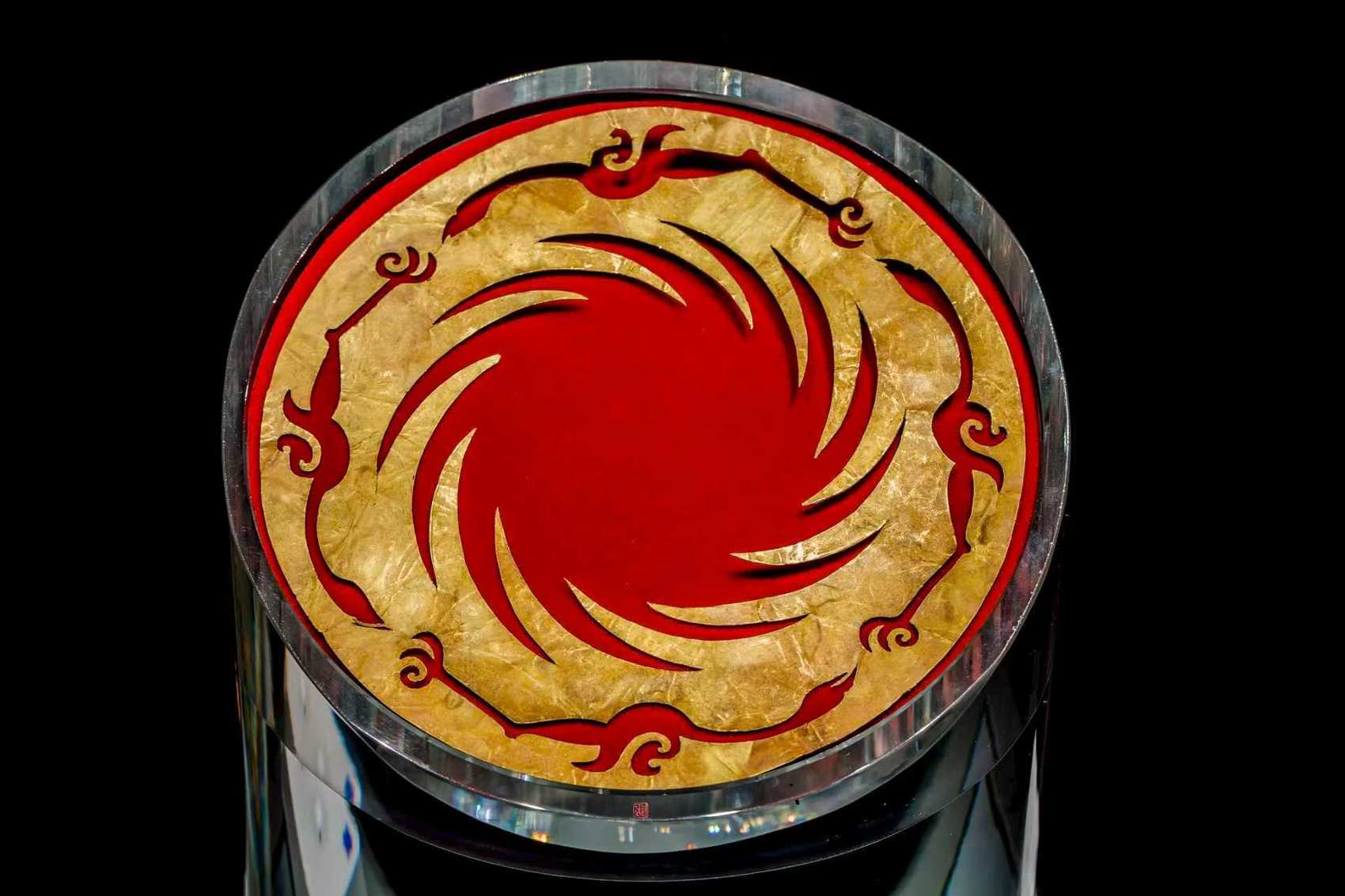
Golden Sun Bird Ornament
When it comes to cultural sites in Sichuan, Sanxingdui ranks among the most prominent. Eight sacrificial pits, covering a total area of less than 100 square meters, have yielded nearly 20,000 artifacts including bronzeware, goldware, and jade, providing compelling evidence of a highly developed Bronze Age civilization in the upper reaches of the Yangtze River over 3,000 years ago.
In recent years, Sichuan has continued to implement the ancient Shu civilization protection and inheritance project, conducting systematic surveys and excavations at the Sanxingdui-Jinsha site. These efforts have confirmed the existence of relics such as the Zhenwugong jade workshop, revealing the grand scale of the site as a regional metropolis. More than 40 domestic research institutions have been united to conduct multidisciplinary studies, resulting in the publication of relevant archaeological findings. A community co-construction and sharing plan has been issued to improve mechanisms for stakeholder participation in heritage protection and benefit sharing, ensuring that the fruits of preservation better serve the public.
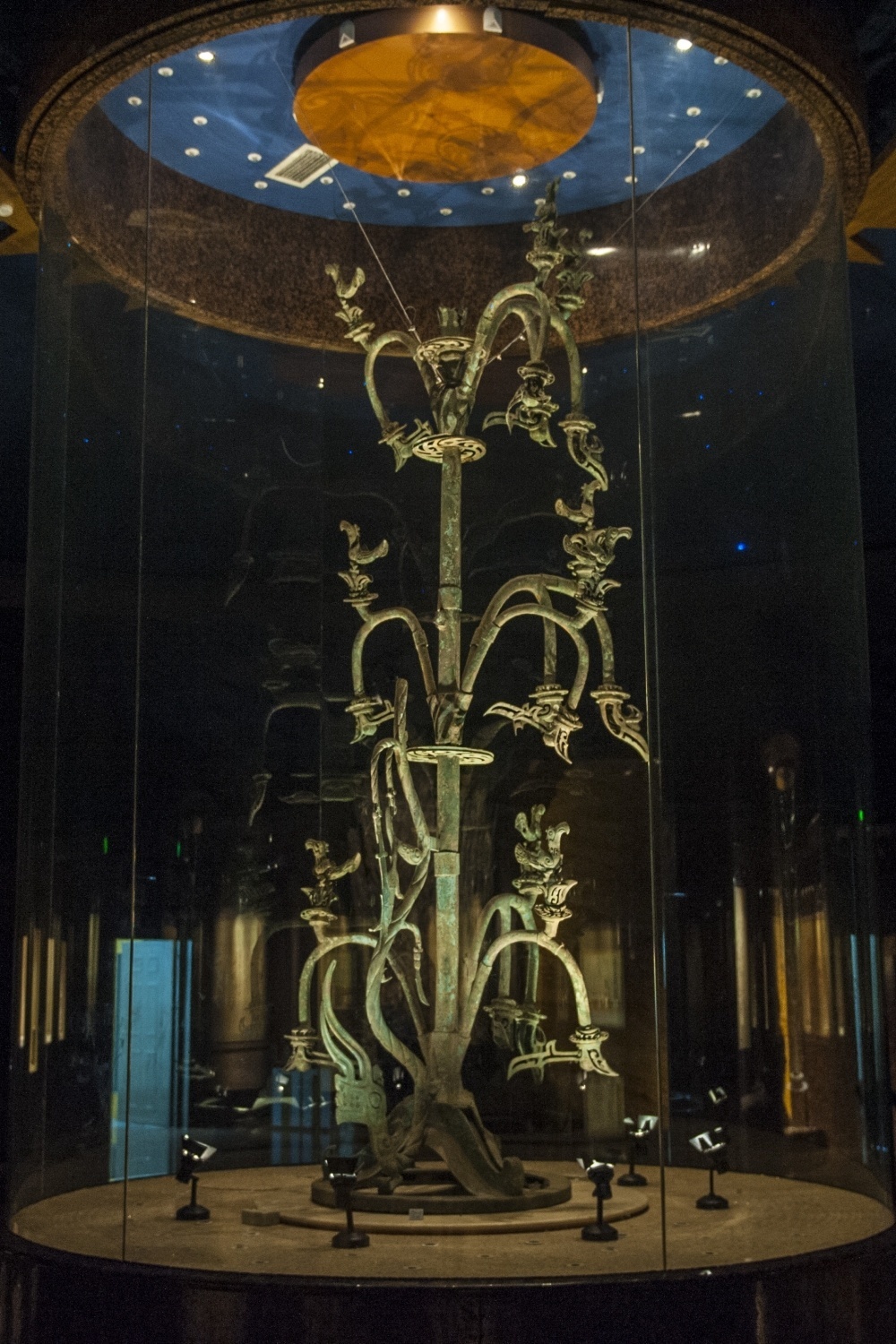
The Bronze Sacred Tree of Sanxingdui
Sichuan boasts a vast number of grotto temples, with over 2,700 small and medium-sized grottoes recorded following the Fourth National Cultural Heritage Survey. The province has sustained special initiatives for the protection of these smaller sites, investing in the construction of 69 rural grotto cultural parks and establishing a "1+4" grotto temple protection and research system. Digital preservation is also emphasized; at the Guangyuan Thousand-Buddha Cliff, drones combined with 3D laser scanners have been used to create digital archives for 32 niches. During the project's implementation, the volume of image data collected daily reached 1 TB.
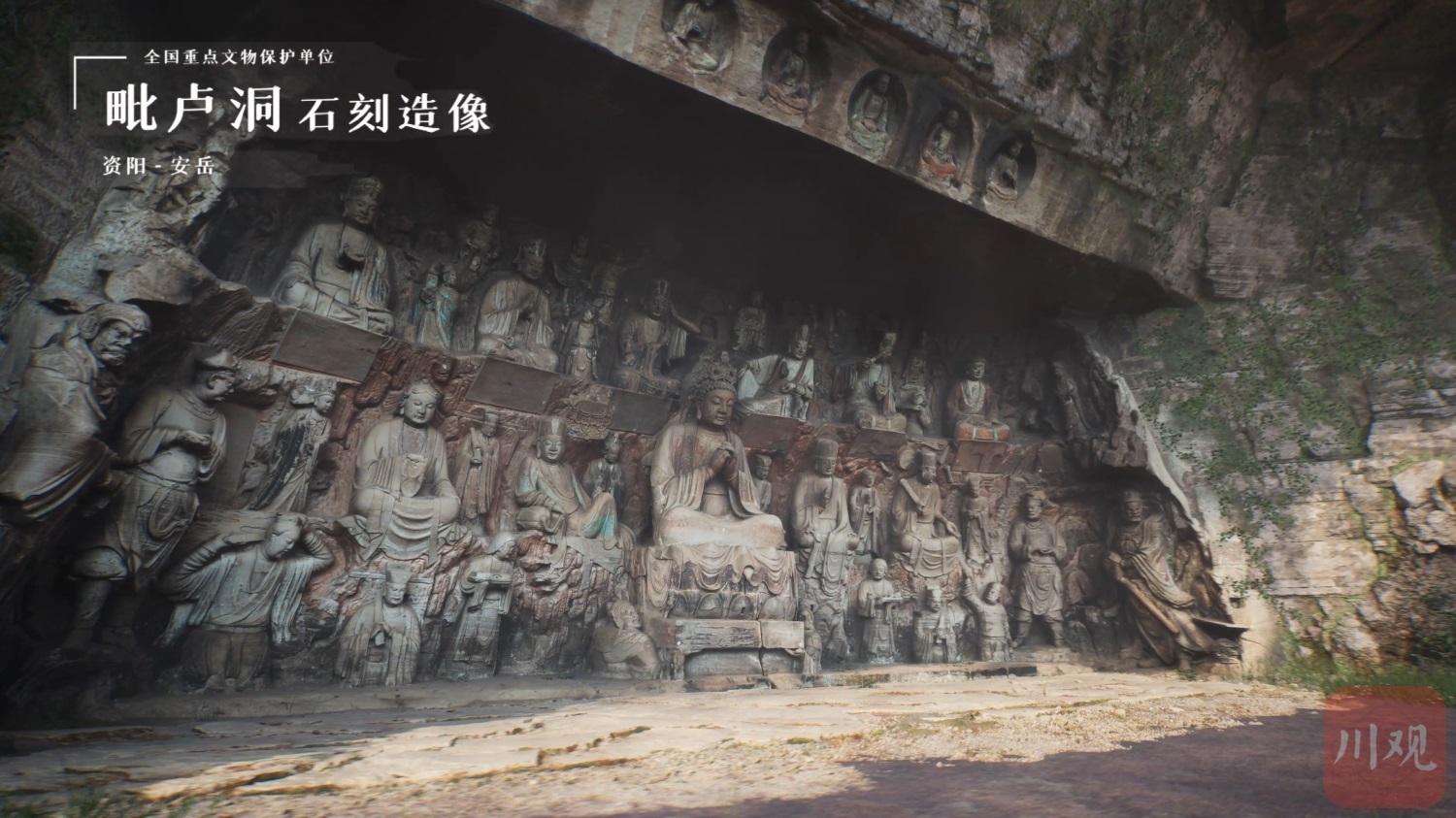
Stone Sculptures at Pilu Cave, Anyue Grottoes
Over the past three years, Sichuan has enacted local regulations such as the "Regulations of Sichuan Province on the Protection and Utilization of Ancient Books", allocating 650 million yuan in provincial fiscal funds to support comprehensive cultural heritage protection and utilization in 20 counties and pilot projects in 50 characteristic regions. Following a "one institute, one policy" model, the province has established 12 key provincial research institutes for Chinese culture and five ancient script research centers. Key projects, including the revision of the Dictionary of Oracle Bone Script, have been implemented, alongside academic achievements such as the General History of Bashu Culture. Local authorities have also actively organized events like the Youth Calligraphy and Painting Inheritance Conference, fostering an increasingly robust atmosphere for cultural heritage protection and transmission.
【本篇文字部分内容由 AI 辅助写作,特此声明。Please note: the text in this article was created with the help of AI.】
