
From Factory Line to Nobel Dialogue: A Sichuan PhD’s 16-Year Journey
2026-09-17 11:18:49 by Queenie Tan
If life were a script, the opening chapter of Hu Meng's story would be filled with hardships.
In her teens, she left her mountainous hometown to work in coastal regions, entering the workshop before dawn and leaving only after nightfall. At that time, she never imagined that at the age of 32, she would travel abroad to attend the 75th Lindau Nobel Laureate Meeting in Germany, engaging in dialogue at the same table with Nobel laureates and top international scientists.
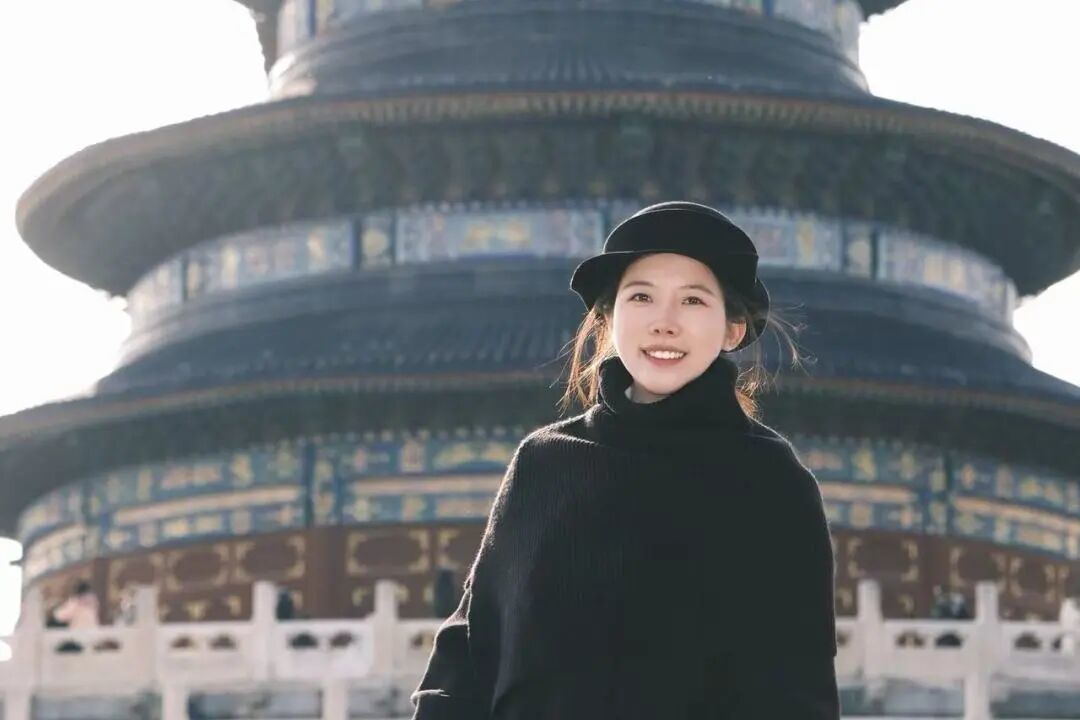
Hu Meng
Hu Meng is a doctoral student from the Class of 2023 at the National Key Laboratory of Biotherapy, Sichuan University. She has published nine papers as the first author in high-impact international journals, including Nature Biomedical Engineering. Her honors include the National Scholarship, the "China Moutai Pillar of the Nation" Scholarship Program for Outstanding Undergraduate, Master's, and Doctoral Students, the First Prize in the National Finals of the 2026 Medical Science and Technology Innovation and Translation Competition organized by the Chinese Hospital Association, and the title of "Top Ten Graduate Student"at Sichuan University. Additionally, she was selected as a "Lindau Scholar" by the Sino-German Center for Research Promotion under the National Natural Science Foundation of China (NSFC), presides over one NSFC Young Student Basic Research Project, and serves as an editor for the journal MedComm.
Over the past sixteen years, she has written her own story of resilience, gratitude, and "upward growth".
Born in a mountainous area of Sichuan, Hu saw her parents work year-round in Fujian Province, and she dropped out of school after completing junior high. She moved to Xiamen and, upon turning sixteen, began working in an electronics factory. "I entered the workshop before daybreak, and by the time I got off work in the evening, it was already pitch black. I rarely had the chance to step outside and feel the sunshine," Hu Meng recalled with a smile. Life on the assembly line was an endless cycle of repetition; the machines ran ceaselessly, constantly testing the limits of everyone's working speed.
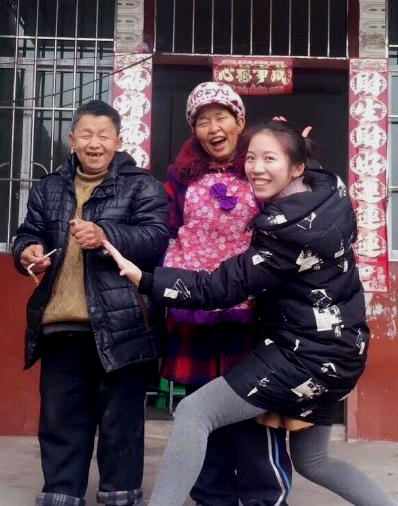
A group photo of Hu Meng (far right) with her grandparents
One day, she heard that a senior female worker at the factory had been admitted to university through night school studies. This news planted a seed that took root and sprouted in her heart. That year, at the age of seventeen, without even waiting to collect her monthly wages, Hu Meng booked the earliest available ticket and returned to her hometown alone.
However, returning to campus was far from easy. Every time Hu Meng knocked on the door of the middle school's academic affairs office, she was met with rejection. No one believed that a girl returning from migrant labor could settle down to study. After many twists and turns, she finally made it back to the classroom.
The winter was bitterly cold, and thinly dressed, Hu Meng felt as though she were walking on ice. Bearing the dual burden of living expenses and academic pressure, she had to take odd jobs while seizing every spare moment to complete her coursework. After evening self-study sessions, she would often stay late in the quiet classroom, working through exercises.
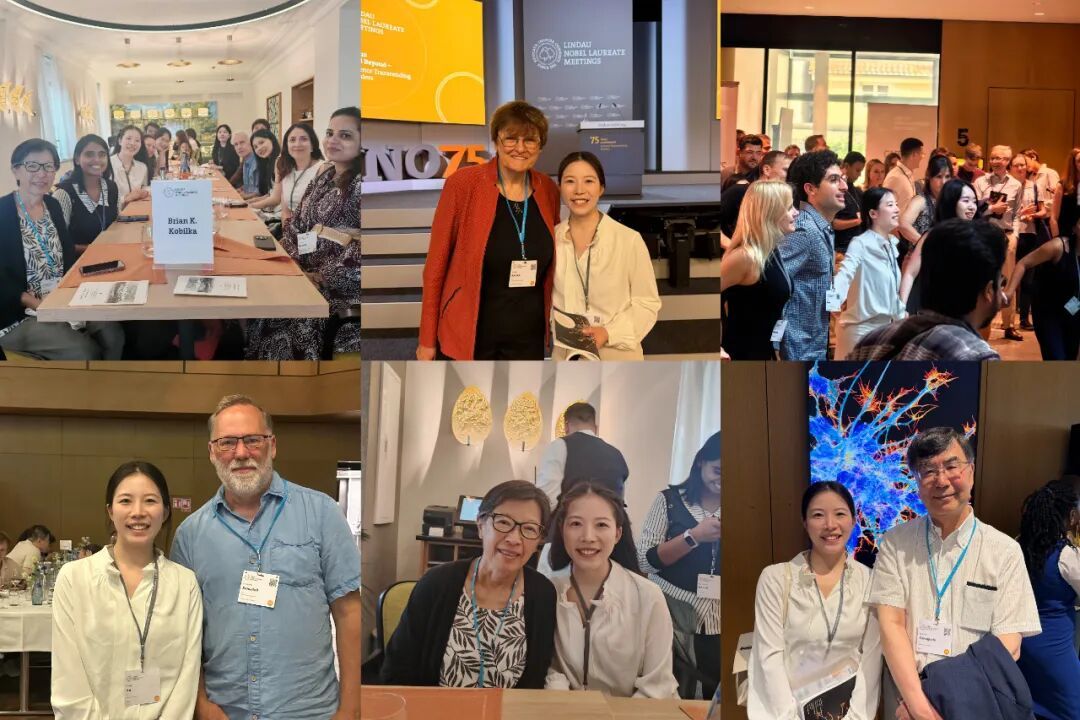
Hu Meng exchanged views and posed for photos with Nobel laureates and attending scholars during the conference
Her ranking on the report card became the sole hope sustaining her perseverance. In her first monthly exam, Hu Meng ranked 12th in her grade, followed by a 6th-place finish in the subsequent midterm examination. Throughout her three years of high school, she received a first-class scholarship of 5,000 yuan each semester and was ultimately admitted to China Medical University with outstanding grades.
During her undergraduate studies, Hu Meng continued to work part-time to support herself. Working as a tour guide during holidays and taking shifts at fast-food restaurants, she managed to sustain herself financially while earning more than ten honors, eventually graduating as an "Outstanding Graduate".
What truly shifted her career trajectory was her clinical internship. As she rotated through various departments, she repeatedly encountered diseases that modern medicine could not yet cure. This experience solidified her decision to pursue postgraduate studies, hoping to find solutions for conquering refractory diseases.
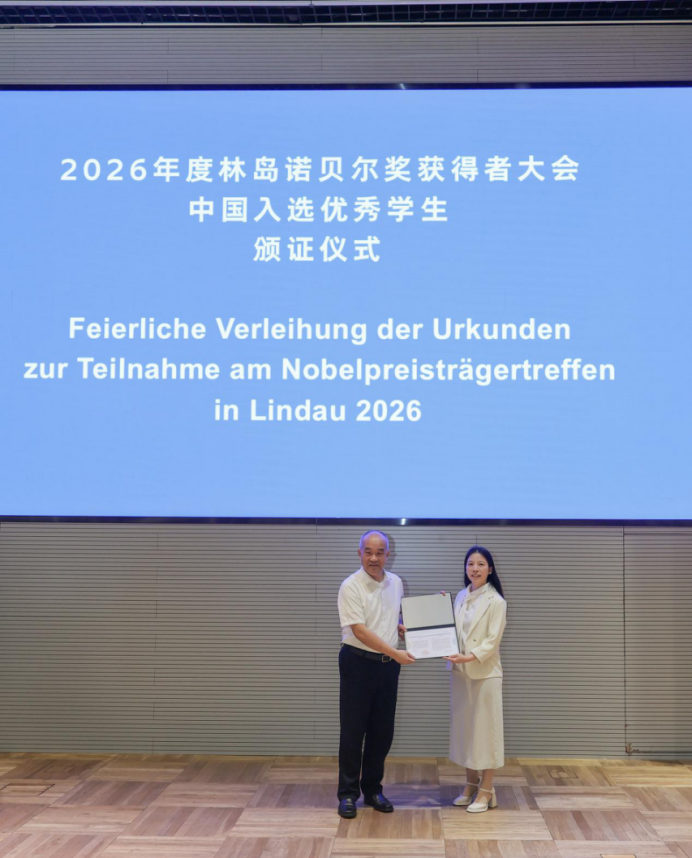
Academician Dou Xiankang Presents Lindau Program Selection Certificate to Hu Meng
“Sichuan University boasts prominent disciplinary advantages in the fields of life sciences and medicine, and its open and inclusive academic atmosphere deeply attracted me,” Hu Meng said. She chose Sichuan University as the platform for her advanced studies and successfully joined the National Key Laboratory of Biotherapy to conduct scientific research.
However, throughout her master's program and the first two years of her doctoral studies, Hu Meng failed to achieve any breakthrough research results. "I do not consider myself naturally gifted in learning, so I have no choice but to put in more effort than most people," she explained. When she first joined the research group, Hu Meng had to learn bioinformatics analysis from scratch and could only master various experimental techniques through gradual trial and error. Her supervisor and senior lab mates provided guidance and encouragement, and on countless nights, she stayed alone in the laboratory, reading literature and honing her technical skills.
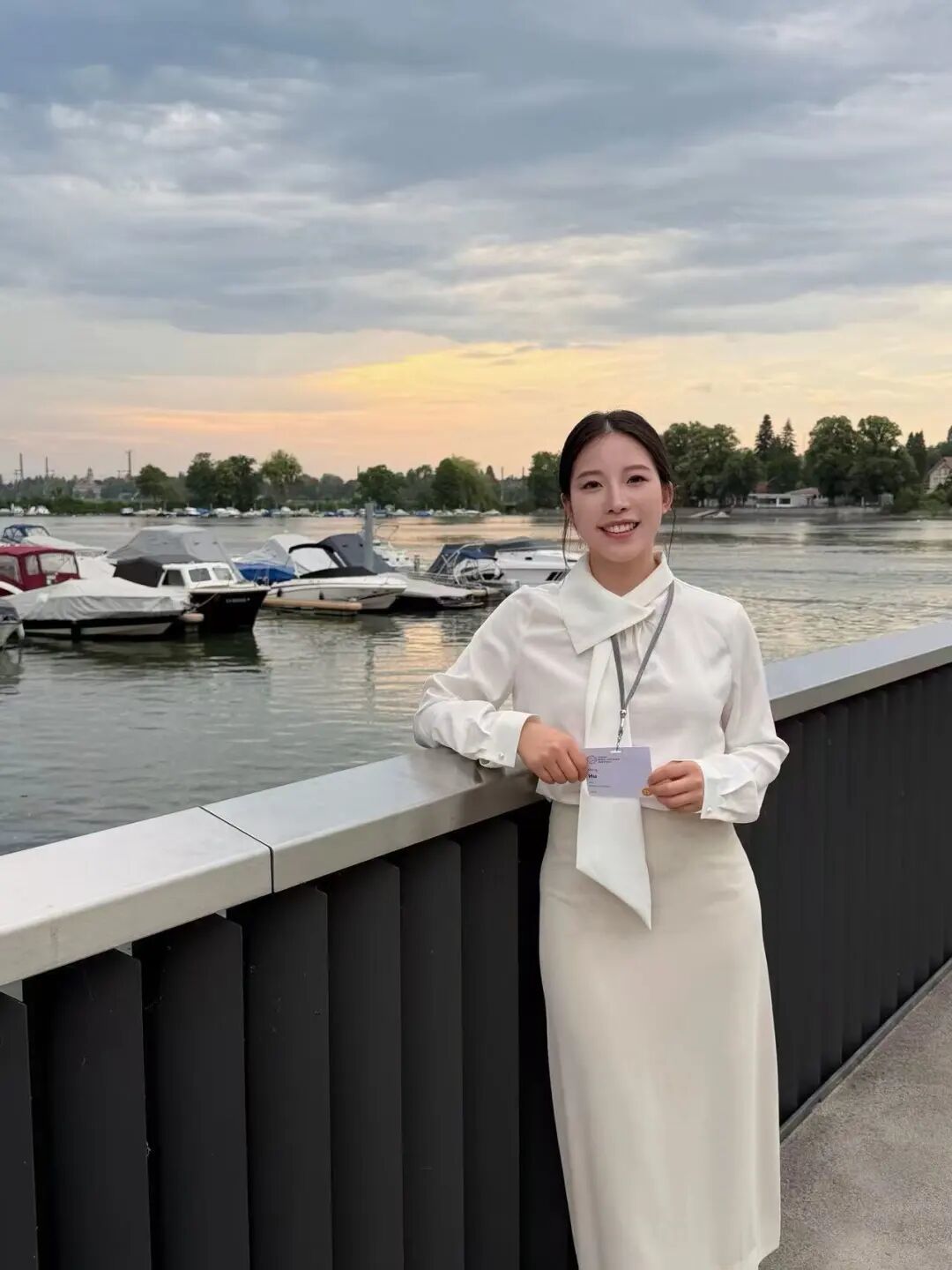
Hu Meng poses for a photo near the venue of the Lindau Nobel Laureate Meeting in Germany
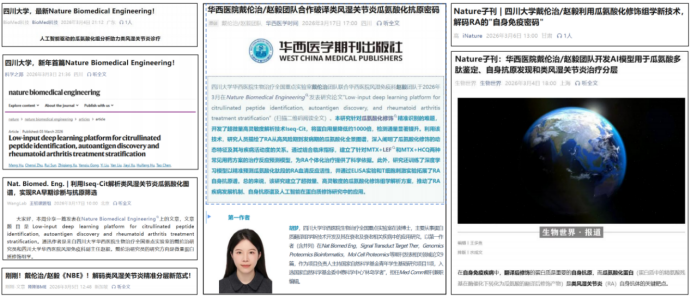
Selected Research Achievements of Hu Meng
After completing her master's degree, Hu Meng continued her doctoral studies. Despite her persistent efforts, reliable results remained elusive, and some people around her advised her to give up. Yet, these voices never shook her inner resolve. Day after day, she immersed herself in the laboratory, dedicating herself to intensive research. During her doctoral phase, she began to systematically cultivate her scientific thinking, particularly during the application process for the NSFC Doctoral Student Project, where she extensively reviewed literature and repeatedly refined her research framework.
A turning point arrived in the second year of her doctoral program. Under the meticulous guidance of her supervisor and through the collaborative efforts of her team, she participated as the first author in developing an internal standard-based, enrichment-free citrullinomics detection technology. This innovation effectively overcame multiple bottlenecks of traditional detection methods, such as low throughput, high false-positive rates, and large sample requirements, providing crucial technical support for elucidating the pathogenesis of complex diseases like rheumatoid arthritis and identifying diagnostic and therapeutic targets.
The relevant research findings were successfully published in the top-tier international journal Nature Biomedical Engineering. Subsequently, Hu Meng was selected for the Lindau Program of the Sino-German Center for Research Promotion under the NSFC. As one of thirty outstanding doctoral students selected nationwide, she was invited to attend the 75th Lindau Nobel Laureate Meeting in Germany.
During the networking sessions of the meeting, Hu Meng took the initiative to present her work on proteomics of post-translational modifications, aging, and disease research. She engaged with Nobel laureates and young scientists from various countries, discussing common challenges in mass spectrometry technology, multi-omics research, and mechanism validation. These brief exchanges transformed names in academic papers and research directions displayed on screens into real individuals with whom she could converse directly. They also helped her realize that the value of international academic exchange lies not merely in obtaining answers, but more importantly in learning how to ask more precise and incisive questions.
Throughout her journey, she has inevitably encountered a variety of opinions. Hu Meng confessed, "I selectively adopt advice from others, but regardless of circumstances, persisting in learning and moving forward is my commitment to myself. Focus on doing good deeds, and let the future take care of itself."
During her master's studies, when her research yielded no tangible results for a period, Hu Meng felt profoundly lost. Her supervisor patiently offered guidance and resolved her doubts when she hit academic bottlenecks, while her fellow lab members stood by her side, offering unwavering support and assistance. These small acts of kindness, like gentle streams, sustained her as she overcame obstacles and grew toward the light.
Now, Hu Meng has begun to give back. She actively participates in various volunteer services and independently operates a WeChat official account, consistently sharing professional knowledge and research experiences to benefit a wider community of learners; her account has now attracted over 4,000 followers. She is currently preparing a support project for left-behind children, aiming to help more youngsters who, like her younger self, are navigating their way forward through adversity.
Hu Meng has never forgotten her original aspiration for pursuing scientific research. Looking ahead, she will continue to explore diagnostic and therapeutic solutions for various refractory diseases at the level of protein modification, striving to bring hope of recovery to patients suffering from severe illnesses and preserving more precious time together for their families.
From a 16-year-old assembly line worker to a 32-year-old rising star on the international academic stage, Hu Meng’s life resembles a wild orchid deep in the mountains: breaking through barren soil, weathering storms, and ultimately blooming in radiant splendor.
【本篇文字部分内容由 AI 辅助写作,特此声明。Please note: the text in this article was created with the help of AI.】
