
Sichuan University: Ancient Texts Come Alive Through Digital Innovation
2026-09-14 18:12:50 by Queenie Tan
If a map could transport you back more than 200 years to Sichuan Province, would you take the journey? In the urban area of Chengdu at that time, the city stretched from Tianyashi in the east to Zhijishi in the west, and even a visit to the Wuhou Shrine was considered an 'outing'.
The library of Sichuan University houses many such 'eloquent' ancient texts: thousand-year-old Dunhuang manuscripts with characters as fresh as new, and the Kangxi-era colored edition of the Manual of the Mustard Seed Garden with its vibrant hues.
Recently, reporters visited the Wenli Library of Sichuan University to explore its rare collections. Through special exhibitions, displays of classical texts, and digital interaction, millennia-old classics have moved from display cases to readers' fingertips, transitioning from paper to digital formats and truly coming 'alive' for contemporary audiences.
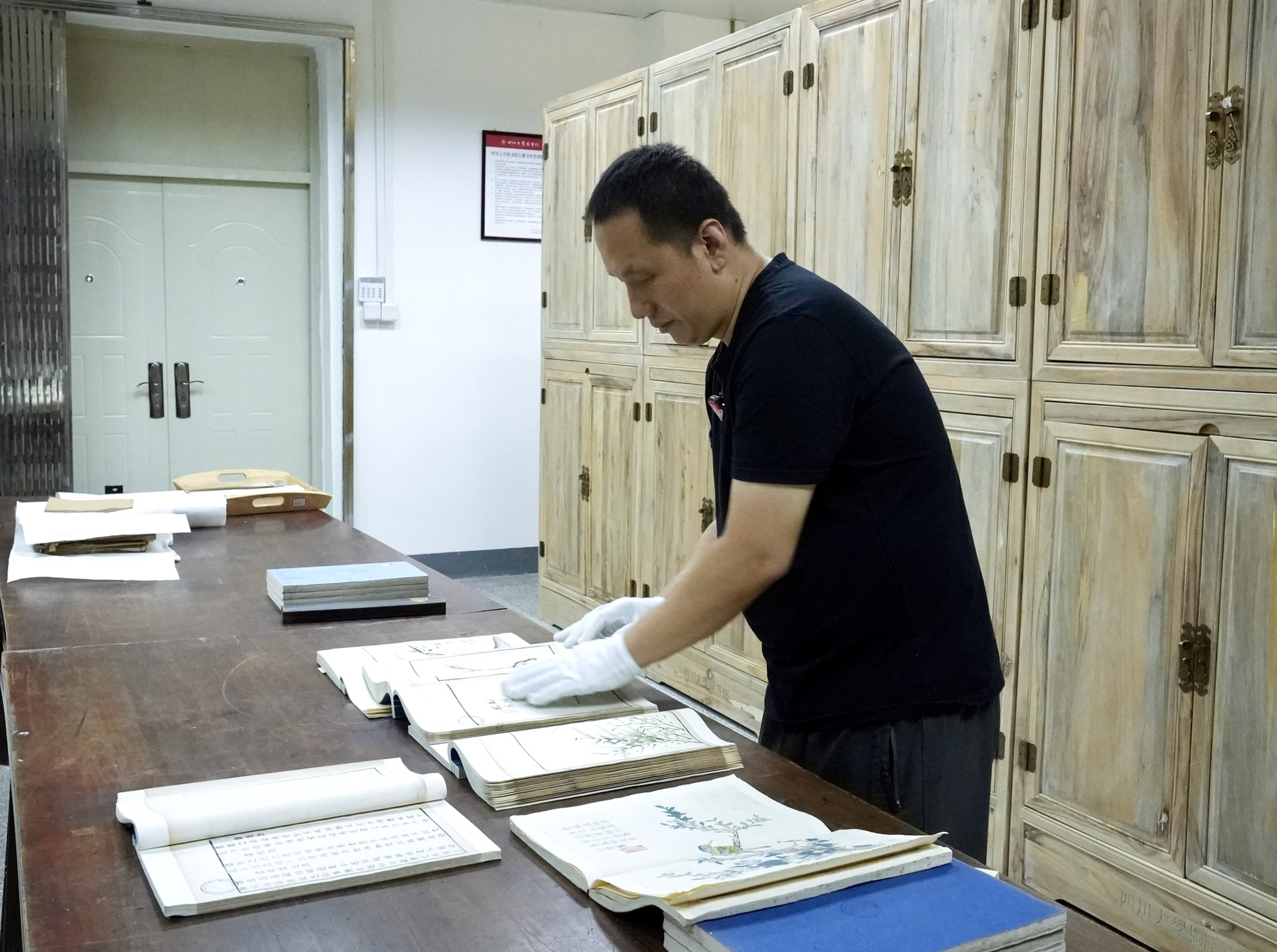
Exhibition of the Collection's Manual of the Mustard Seed Garden
With over three centuries of scholarly heritage, more than 260,000 volumes of ancient books bear witness to an enduring cultural lineage. Originating from the book repository of the Jinjiang Academy established in 1704, the Sichuan University Library has undergone a century of development and is now the largest university library in Southwest China by collection size. Its special collections of ancient texts are all housed in the Wenli Library.
The facility maintains constant temperature and humidity levels, filled with the rich scent of camphor wood, with books arranged in orderly fashion. The library's ancient text holdings can be traced back to the 43rd year of the Kangxi reign, comprising over 260,000 thread-bound volumes, of which 48 titles have been included in the National Catalogue of Precious Ancient Books and 121 titles in the Sichuan Provincial Catalogue of Precious Ancient Books.
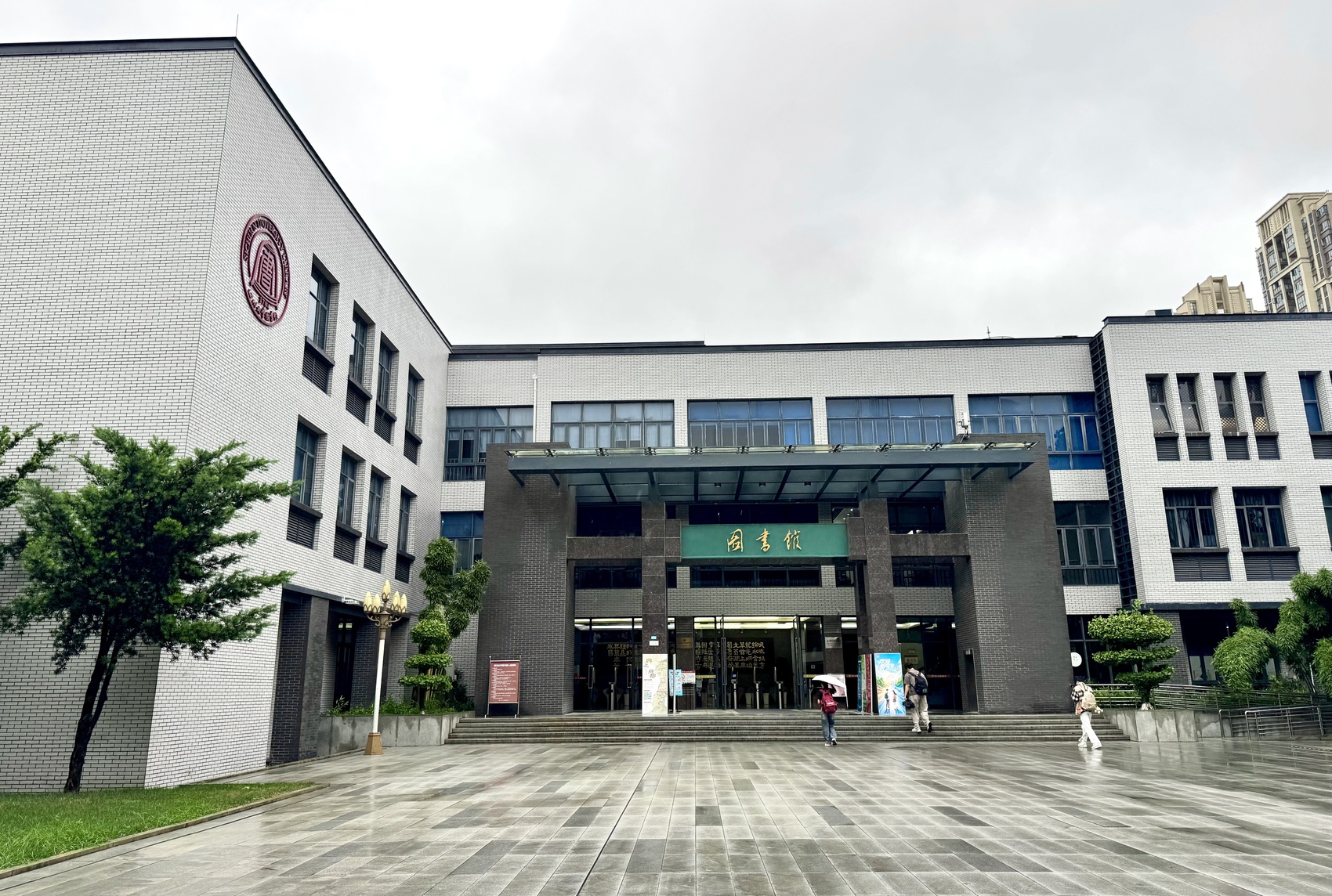
Wenli Library of Sichuan University
Ding Wei, deputy director of the Special Collections Center for Ancient Texts, presented the library's prized possession, the Complete Map of Sichuan. This hand-painted atlas, created in the early Qianlong period by a team led by Dong Bangda, consists of 150 maps that meticulously depict the mountains, rivers, and urban layouts of Sichuan at that time. Originally part of the Qing imperial palace collection, the atlas entered private hands after the Boxer Rebellion and was acquired by Sichuan University in the 1930s.
The first map, depicting Chengdu Prefecture, is rendered primarily in blue-green tones, clearly showing landmarks such as the city walls, four gates, and Wanli Bridge. Ding Wei noted that Niuwang Temple appears outside the city walls in the map, Zhijishi marks the West Gate, and Wenshu Monastery is visible near the North Gate, confirming that visiting the Wuhou Shrine was indeed considered an outing in those days.
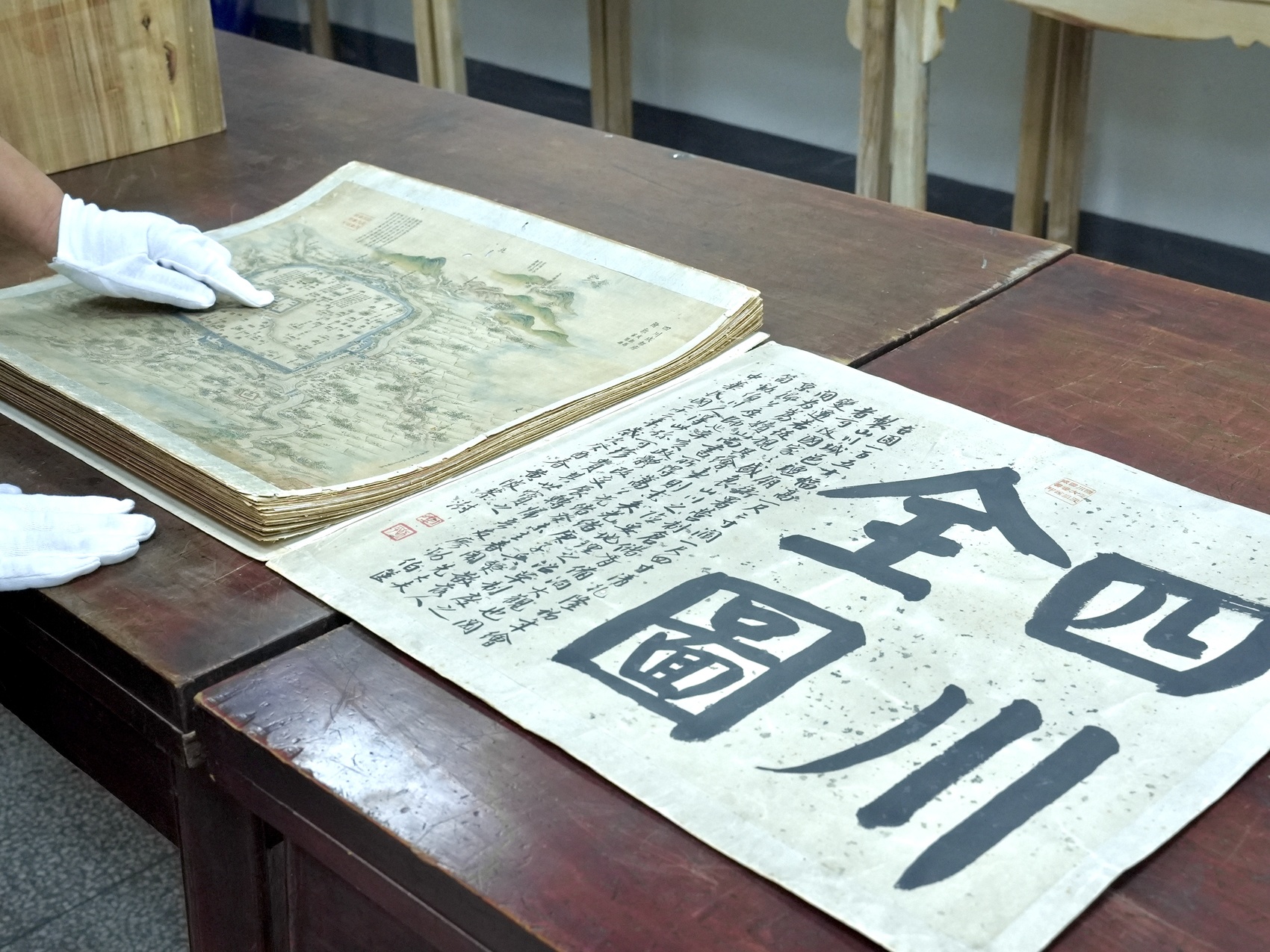
The Museum's Signature Treasure Complete Map of Sichuan
Another treasure is Volume 22 of the Maha-prajnaparamita Sutra, a Dunhuang manuscript. Measuring over nine meters in length with more than 530 lines and approximately 6,000 to 7,000 characters, it was translated under imperial decree by Xuanzang. Despite being a thousand years old, the calligraphy remains meticulous and the manuscript is remarkably well-preserved. Additionally, the collection includes a multi-color printed edition of the Manual of the Mustard Seed Garden produced during the Kangxi period of the Qing Dynasty, featuring exquisite engraving techniques and brilliant colors that showcase superb craftsmanship.
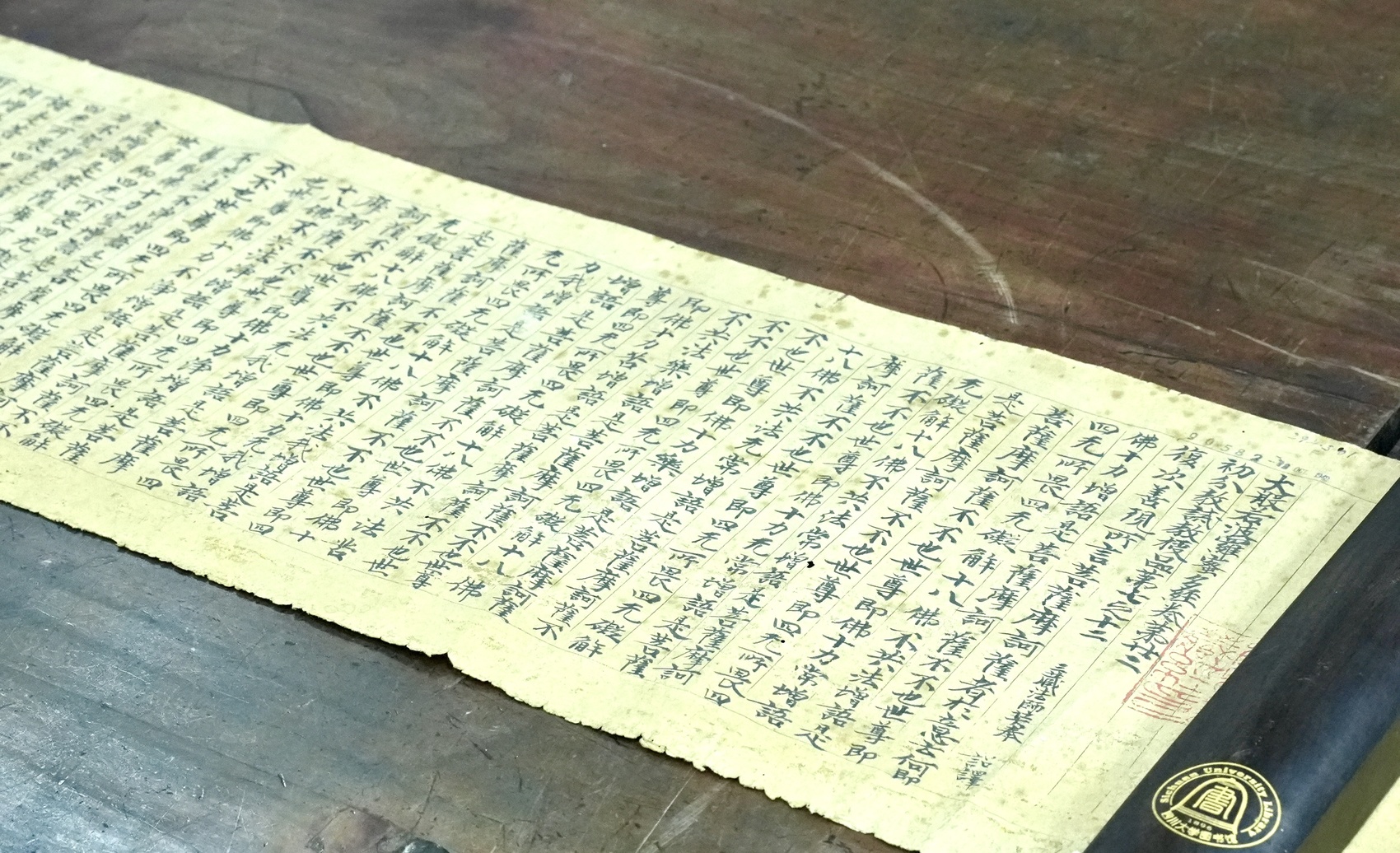
A scroll from the "Dunhuang Manuscripts" in the collection — Volume 22 of the Maha-prajnaparamita Sutra
Ancient texts should not remain confined to storage. The Wenli Library has established a comprehensive revitalization chain ranging from conservation and restoration to digital empowerment. Based on the Complete Map of Sichuan, the library developed a web application titled Mapping Chengdu which uses AI technology to connect locations on historical maps with public memory. Through interactive programs, students can check in at sites such as Jiuyan Bridge and the Wuhou Shrine, becoming 'city lamplighters' of ancient Chengdu.
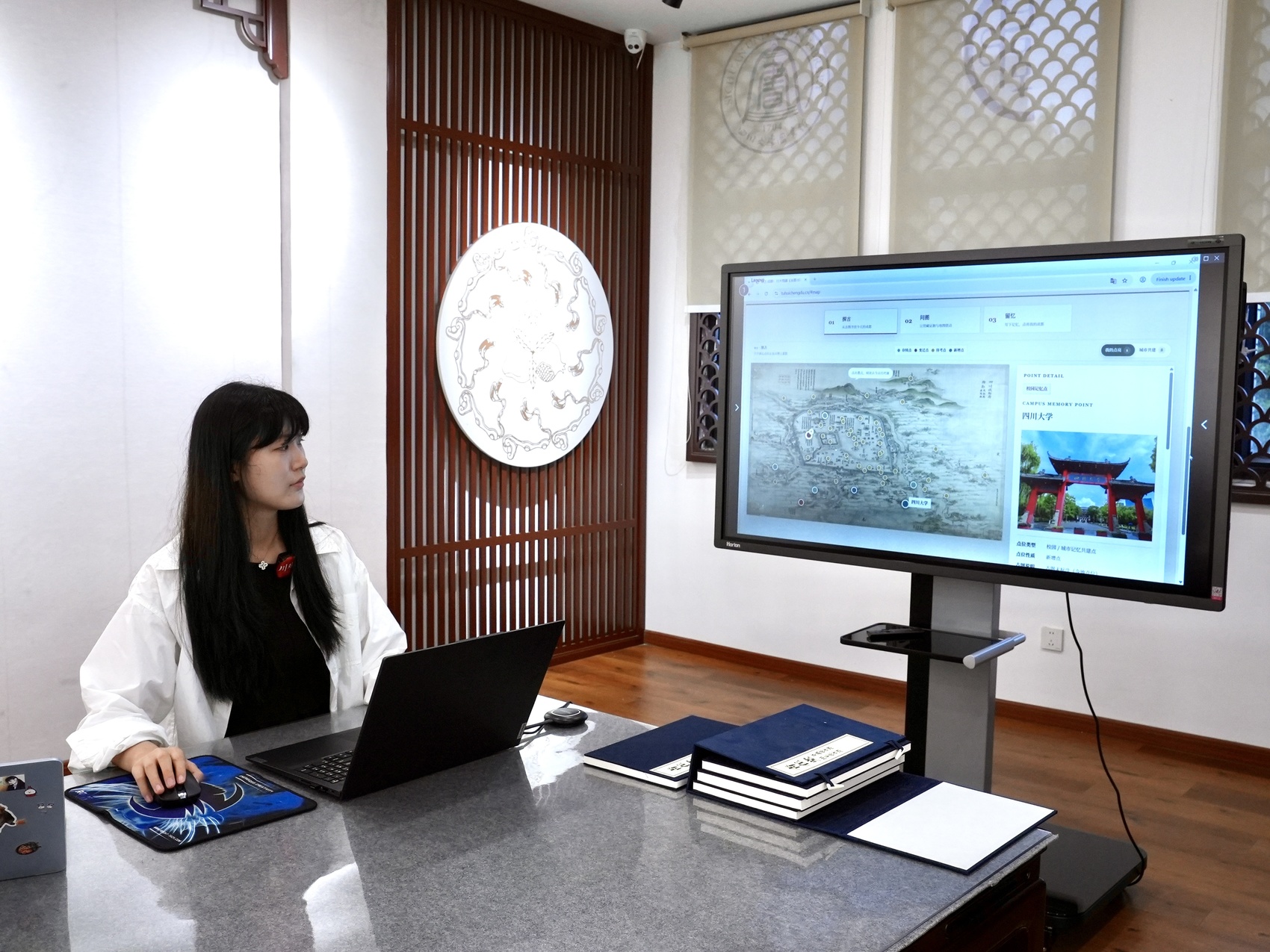
Li Jialing demonstrates the use of "Yushang Chengdu
The Classical Texts Exhibition Hall on the third floor covers 162 square meters and displays the history of Chinese books, Chinese and Western ancient texts from the library's collection, and revolutionary classics. Through electronic screens titled Chronicles of Classical Texts and Waves of Ancient Paper the evolution of classical literature and papermaking technology is vividly presented. The Zhiwei Hall on the first floor serves as a space dedicated to revolutionary culture, featuring special materials related to martyr Jiang Zhuyun, while the third-floor walls display graduation theses written by revolutionary martyrs including Gu Minyuan. From display cases to fingertips, from static exhibits to interactive experiences, the Sichuan University Library is bringing the words of ancient texts truly 'alive' in the present and carrying them into the future.
【本文部分内容由AI辅助生成,特此声明。The author(s) generated part of the content in this work with the assistance of artificial intelligence (AI), which is hereby declared.】
