
Sichuan's Kongshan Cattle: How a Local Breed Fuels Rural Revitalization
2026-09-14 17:48:27 by Queenie Tan
What exactly is the 'weight' of a Kongshan cattle? On the morning of September 13, on a mountain meadow in Longchi Village, Kongshan Town, Tongjiang County, Bazhong City, 100 carefully selected Kongshan cattle were lined up in order, their chestnut and deep yellow coats gleaming in the morning light.
This was the venue for the 5th Tongjiang Kongshan Cattle Competition. After judging, No. 5, owned by Li Fang, and No. 45, owned by Jia Lunhua, were awarded the titles of 'Bull King' and 'Cow Queen', respectively, each receiving a prize of 30,000 yuan. While there was only one champion at the competition, every cattle on the grassy slope carried its own unique 'weight', which ultimately translates into farmers' ledgers, industrial chains, and germplasm resources.
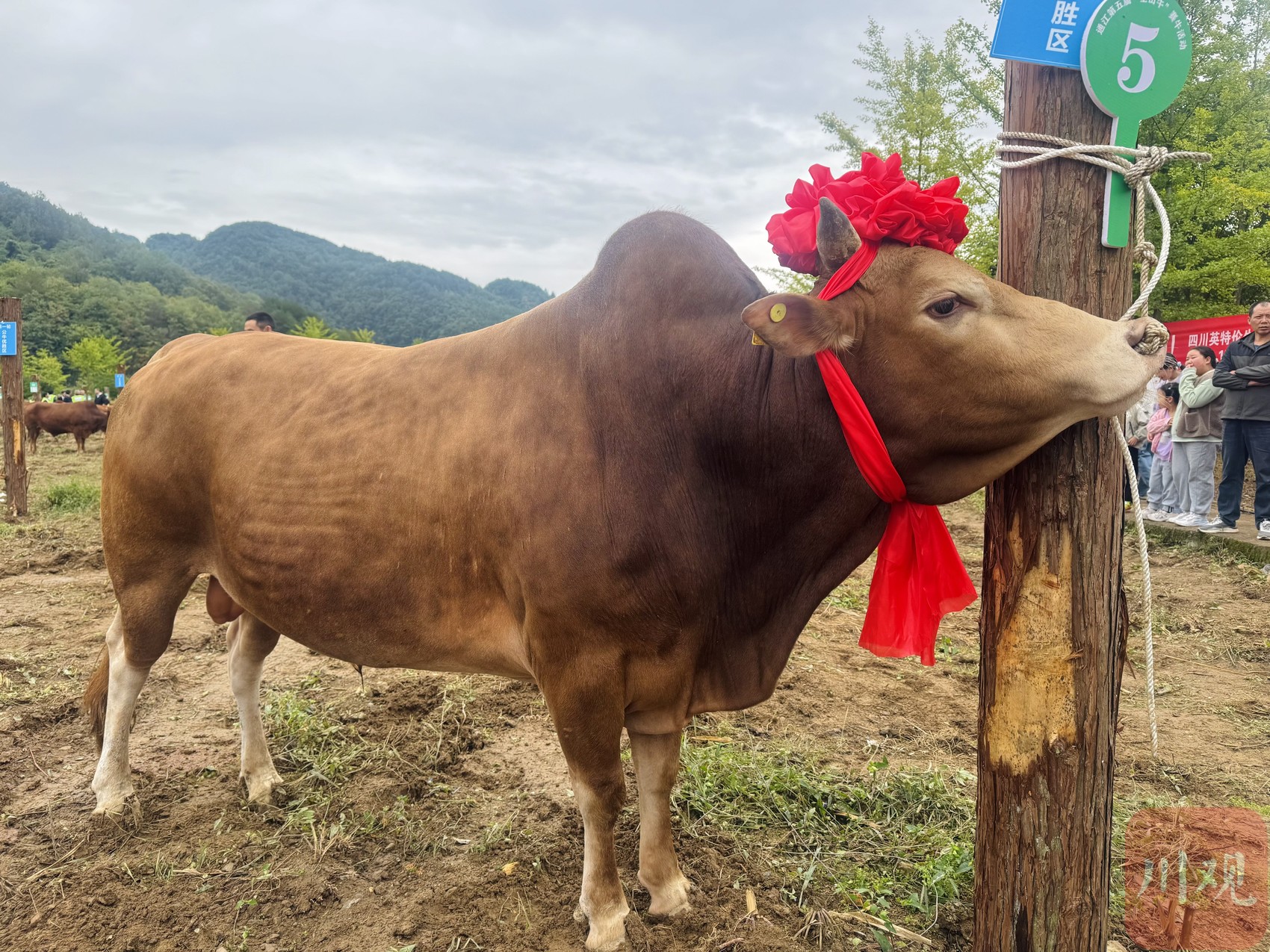
The first-prize-winning "Bull King"
For 70-year-old Li Tianyu, a villager from Zhongba Village in Kongshan Town, this weight amounts to '200,000'. Leading his third-prize-winning cattle, he noted that while medals are glorious, the livelihood sustained by these animals carries the true weight. Four years ago, he earned only 20,000 yuan annually from growing corn; now, with a herd of 160 Kongshan cattle, his annual income reaches approximately 200,000 yuan: 100,000 yuan from selling live cattle and another 100,000 yuan from slaughtering, processing, and selling fresh beef. 'These cattle are far more valuable than corn,' he said. Policy support has been significant: the town secured 3 million yuan in subsidies, and the county provides grants ranging from 150,000 to 450,000 yuan to family farms raising more than 30 head of cattle. After receiving a 300,000-yuan subsidy under a cluster development project, Li's enthusiasm soared.
In just a few years, local livestock numbers have surged; by 2025, Tongjiang County is expected to have a Kongshan cattle inventory of 12,500 head and an annual output exceeding 2,000 head.
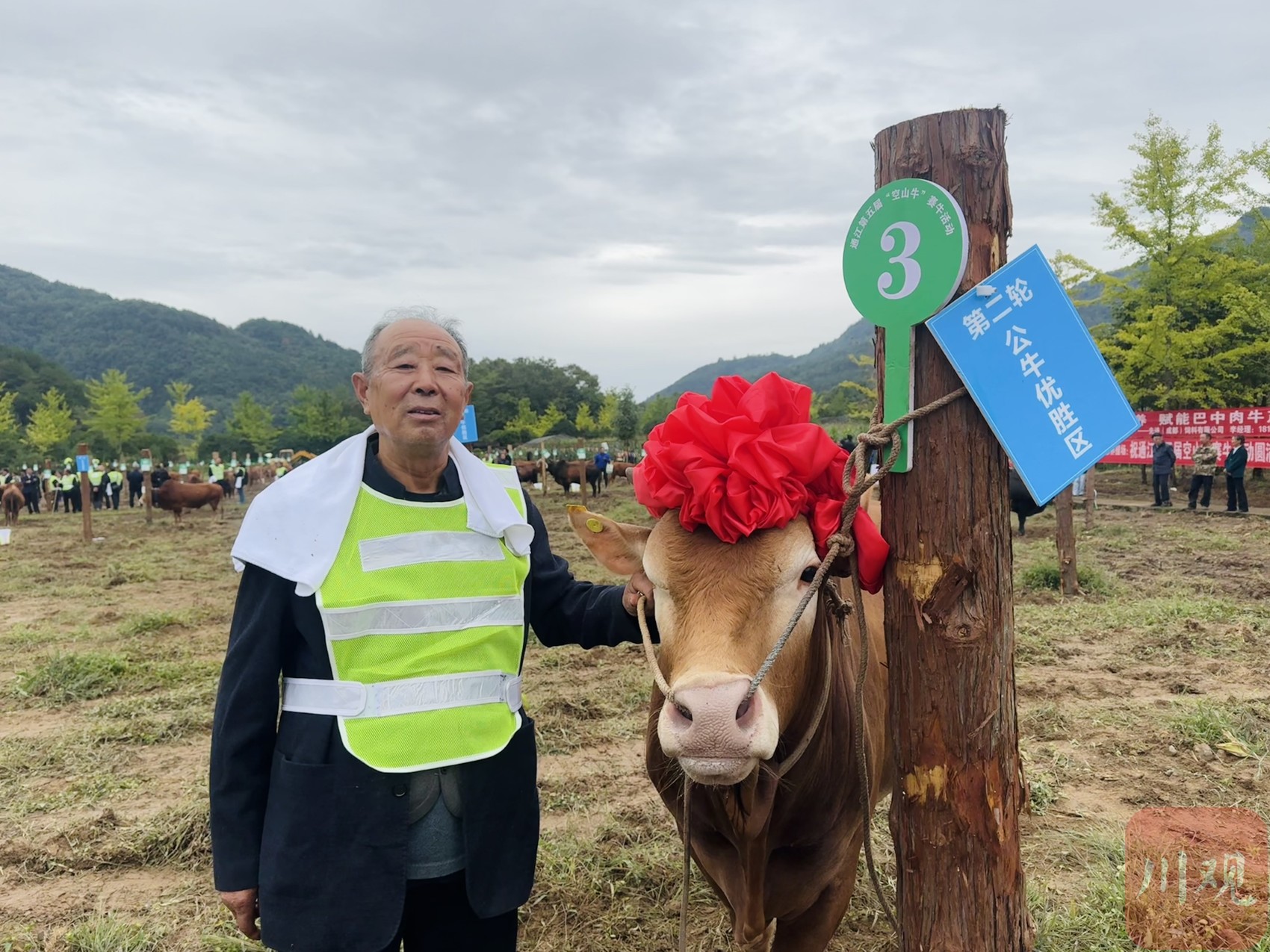
Li Tianyu participates in the competition with his own Kongshan cattle
While the core breeding population remains stable, the industrial chain is also expanding. At the exhibition area adjacent to the competition venue, long queues formed in front of the booth of Sichuan Laoliao Family Flavor Food Co., Ltd. Liao Tianfa, the person in charge, explained that Kongshan beef features firm texture and tender, flavorful skin, giving it natural advantages for deep processing.
Currently, the company is engaged in extensive cooperation with Tongjiang County on contract processing, handling over 1,000 tons of fresh beef annually with an output value exceeding 90 million yuan. Products such as spiced beef and hand-shredded beef have entered major supermarket chains including Walmart and Yonghui Superstores, effectively completing the 'second half of the story' for Kongshan cattle.
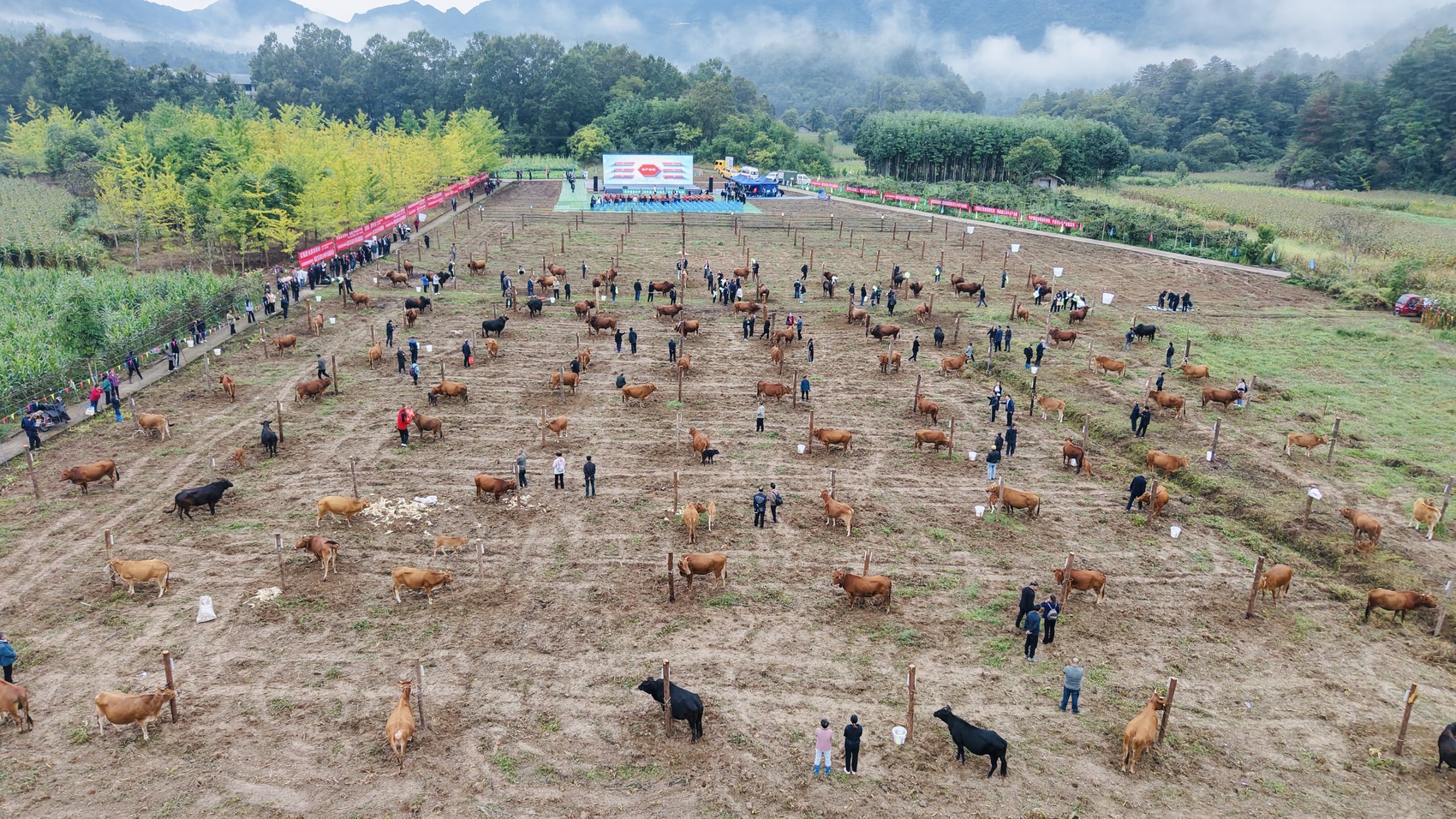
A scene from the bull racing event
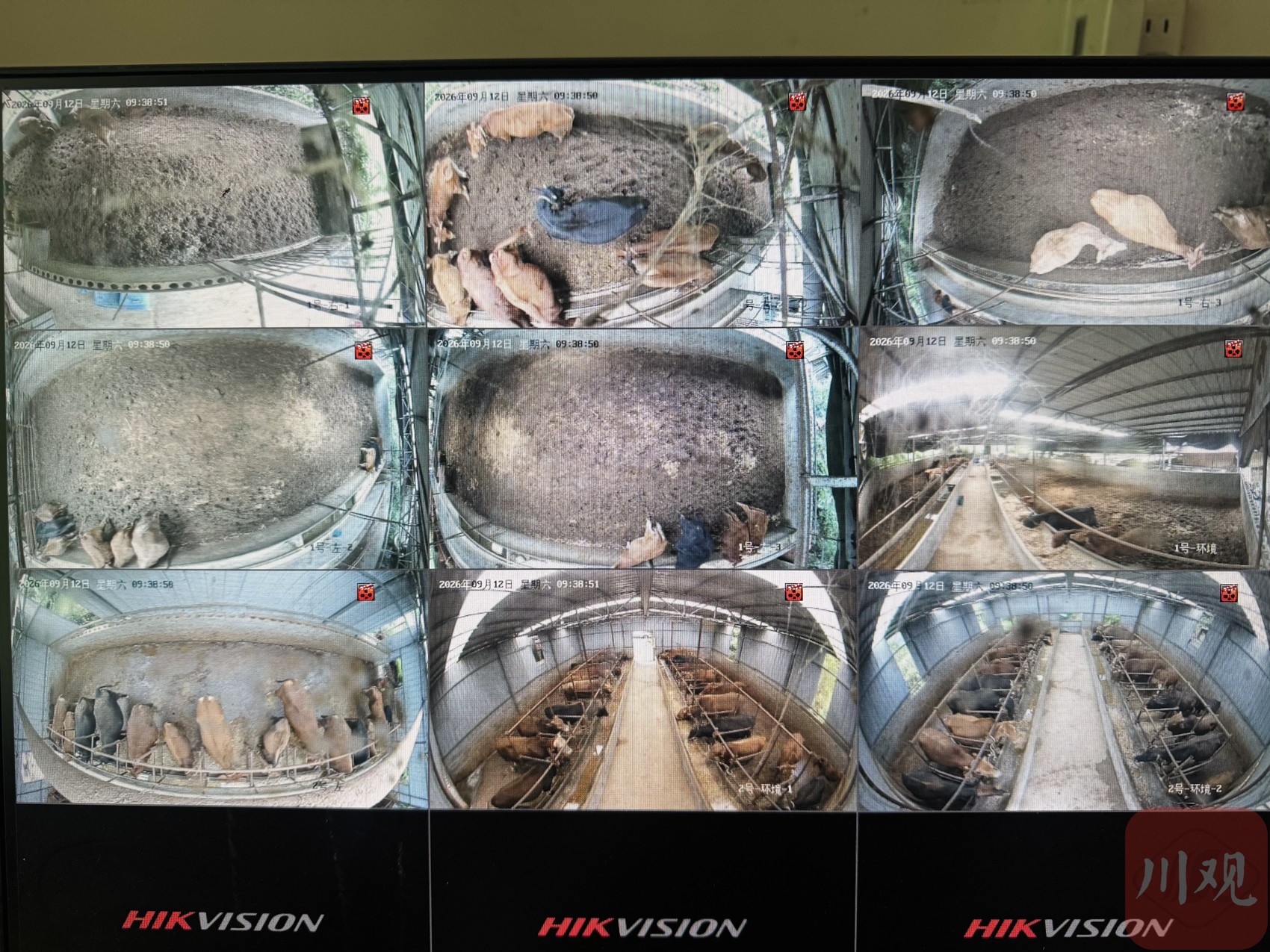
To regulate Kongshan cattle farming, farmers have installed video surveillance systems
However, breed conservation and industrial development have not been without challenges. Yi Jun, a researcher at the Sichuan Academy of Animal Sciences, pointed out that the weight of Kongshan cattle is '57' — in 2024, it became the 57th indigenous yellow cattle breed in China to receive national-level recognition. This status was hard-earned, and safeguarding it requires even greater effort. Sichuan currently has 16 indigenous cattle breeds; Kongshan cattle was the last yellow cattle breed to be officially identified, having long remained obscure due to its limited core population and small scale. The key to breaking through lies in technology. The Sichuan Academy of Animal Sciences, in collaboration with the Bazhong Academy of Agricultural Sciences, developed China's first 'Kongshan Cattle No. 1' 50K liquid-phase chip, shortening the breeding cycle by 10 to 15 years, reducing costs by approximately 40%, and overcoming technical barriers in marbled beef production. Purebred cattle now meet national standards at levels 2 through 4.
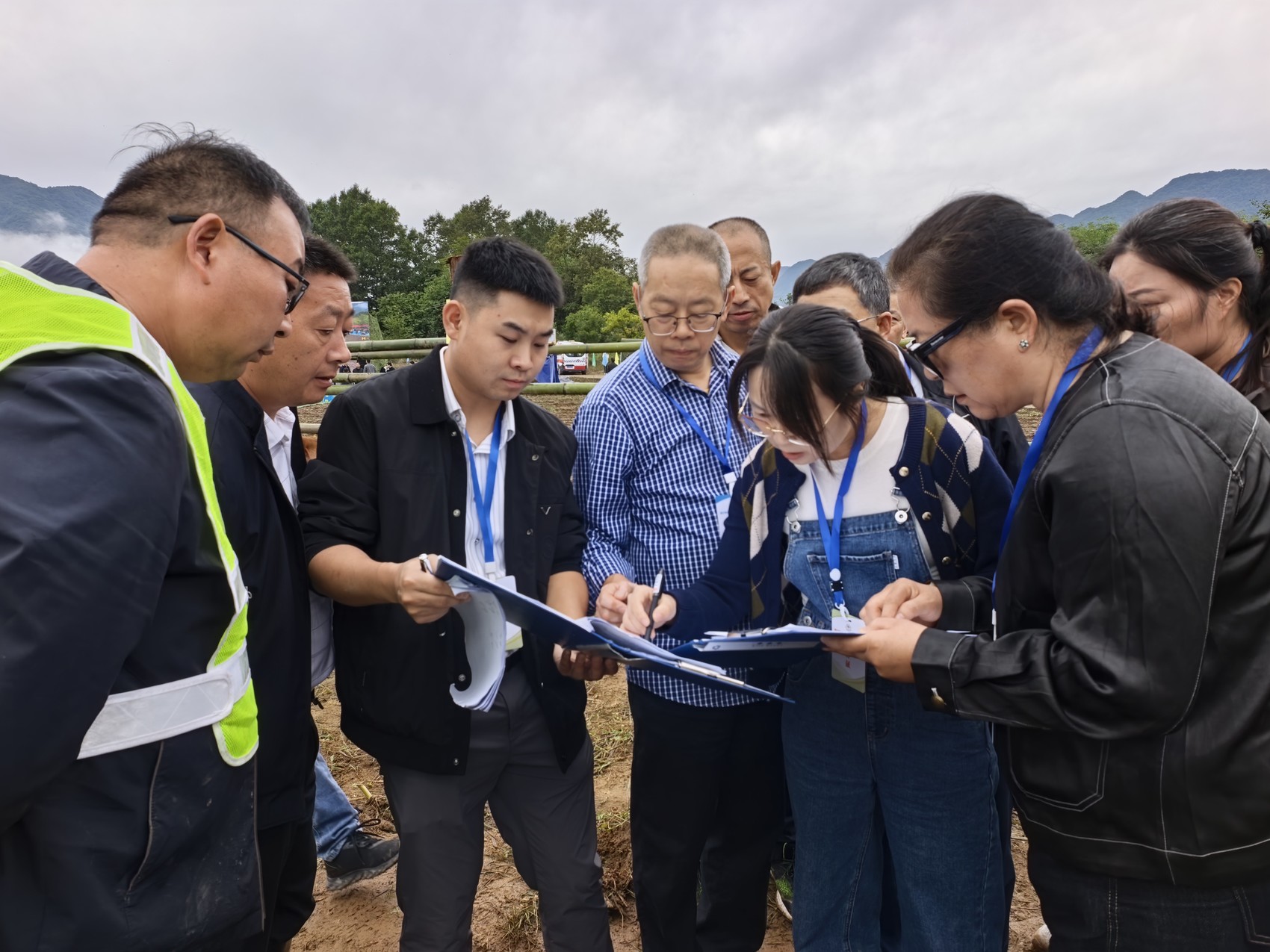
Experts conduct an evaluation at the event
'Conservation is the bottom line; development is the way forward,' Yi Jun emphasized. He stressed the need to establish core conservation farms and implement traceability management to preserve the 'roots' of germplasm resources, while simultaneously improving growth performance and meat quality through crossbreeding combinations and embryo technologies, boldly pursuing industrialization. As mountain breezes sweep through the cattle pens, carrying the scent of grass and earth, the 'weight' of Kongshan cattle extends far beyond the numbers on a scale. It embodies the secure livelihoods of farmers, the sense of responsibility among officials, the industrial ambitions of enterprises, and the breeding aspirations of scientific researchers.
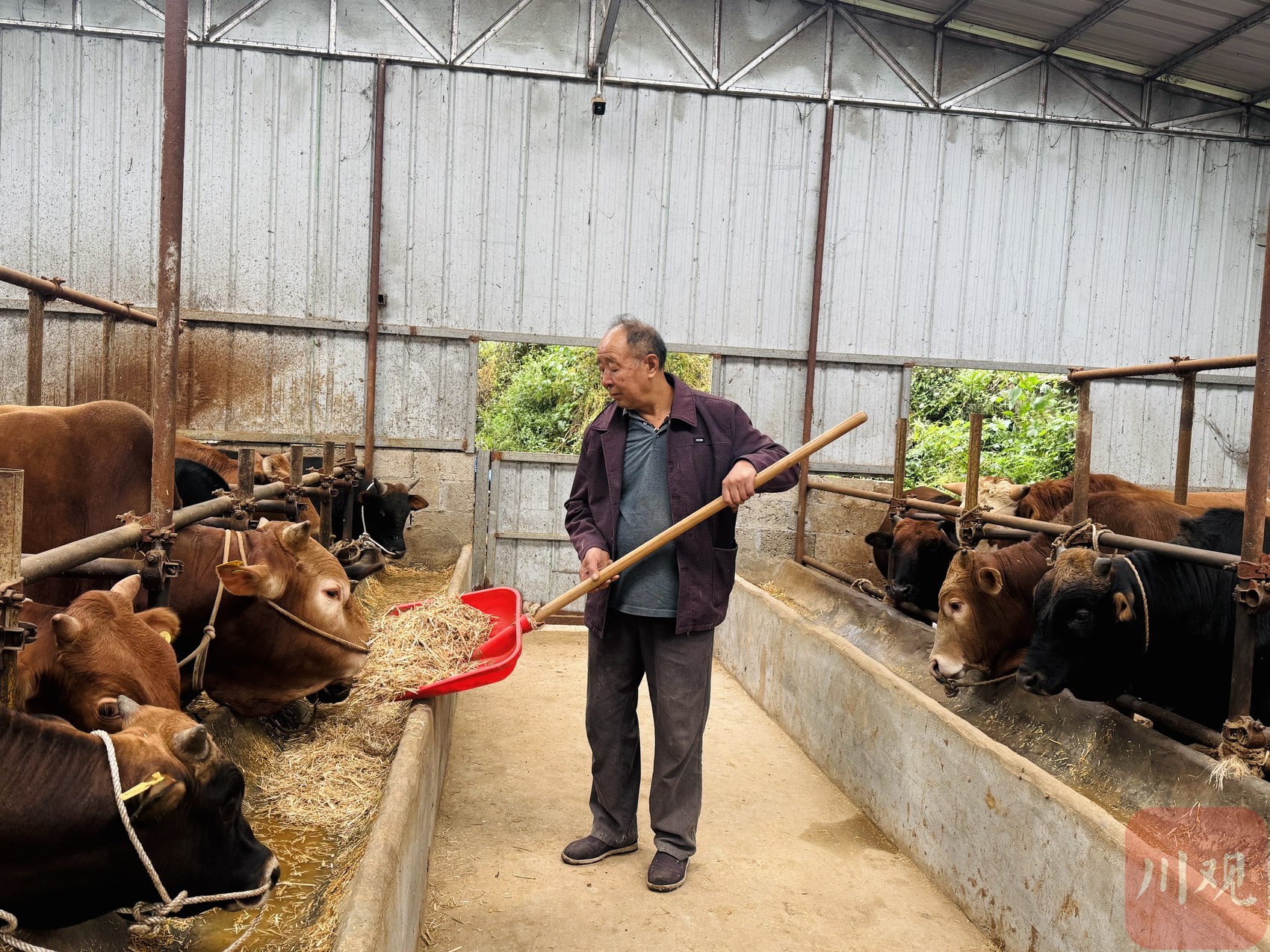
Kongshan cattle breeding
【本文部分内容由AI辅助生成,特此声明。The author(s) generated part of the content in this work with the assistance of artificial intelligence (AI), which is hereby declared.】
