
Sichuan Opera's 'Hidden Blade': Veterans Back Youth Revival
2026-09-02 14:34:56 by AIOS
The Chinese idiom 'a dagger hidden behind a smile' is often used to describe individuals who appear benevolent on the surface but harbor sinister intentions. During a performance of the Sichuan Opera "Da Hong Tai" in Chengdu on Aug. 29, the lead actor vividly embodied this duplicitous character through the signature stunt of 'concealing a dagger'. Why did this production, which centers on an antagonist, attract leading figures of Sichuan Opera such as Shen Tiemei and Chen Zhilin to attend and offer their support?
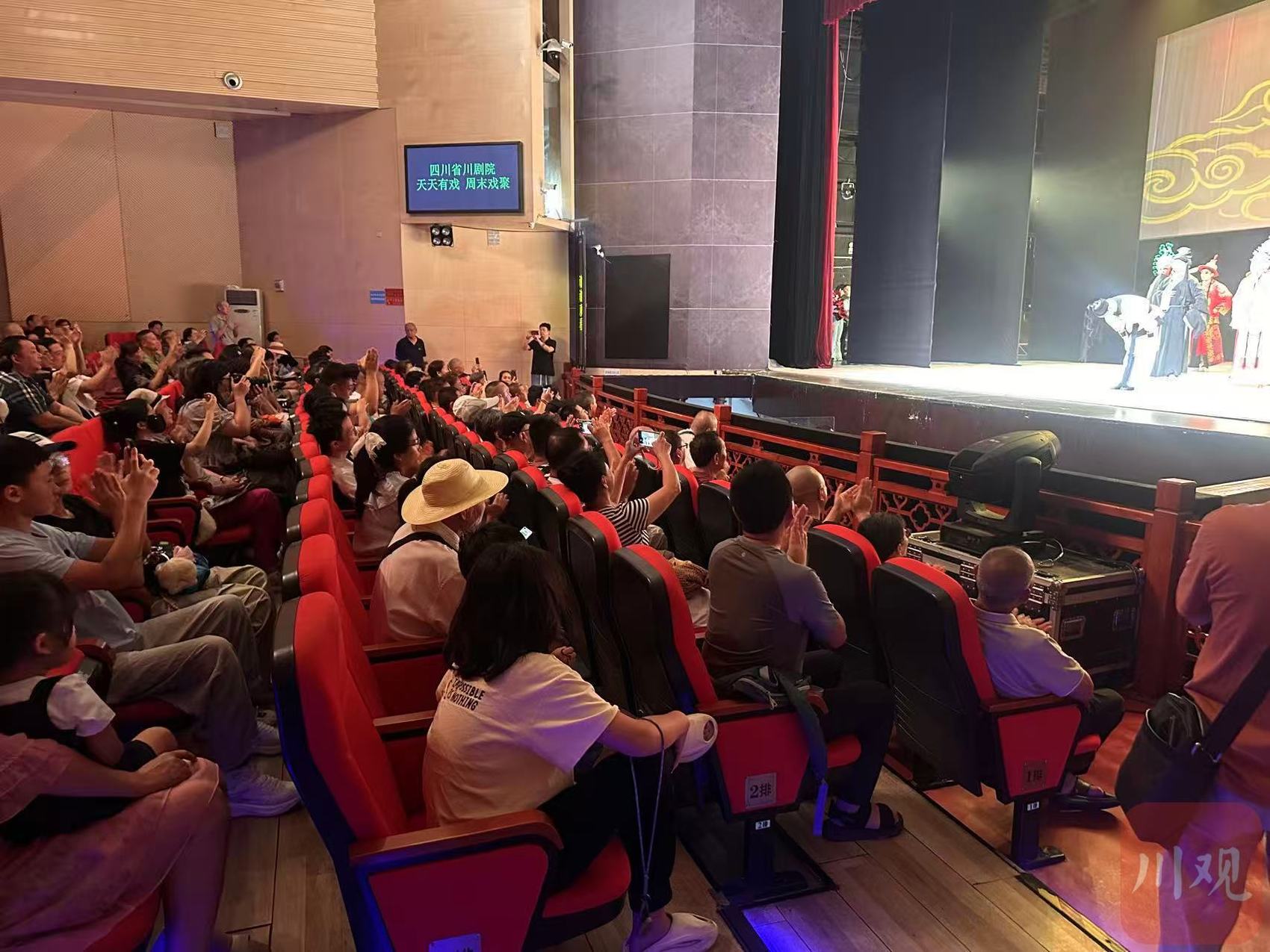
First, it is due to the play's historical significance and uniqueness. As one of the few classics in the history of Sichuan Opera to feature a villain as the protagonist, "Da Hong Tai" was originally made famous by Peng Haiqing through his mastery of the 'dagger-concealing' technique. With a tight narrative pace and accessible language, the play employs a nuanced characterization approach to meticulously portray the protagonist Xiao Fang as a two-faced figure—outwardly dashing yet inwardly cunning. It fully depicts his trajectory from hypocrisy to ultimate downfall, bearing strong critical realist overtones and standing as a representative work with distinct local characteristics.
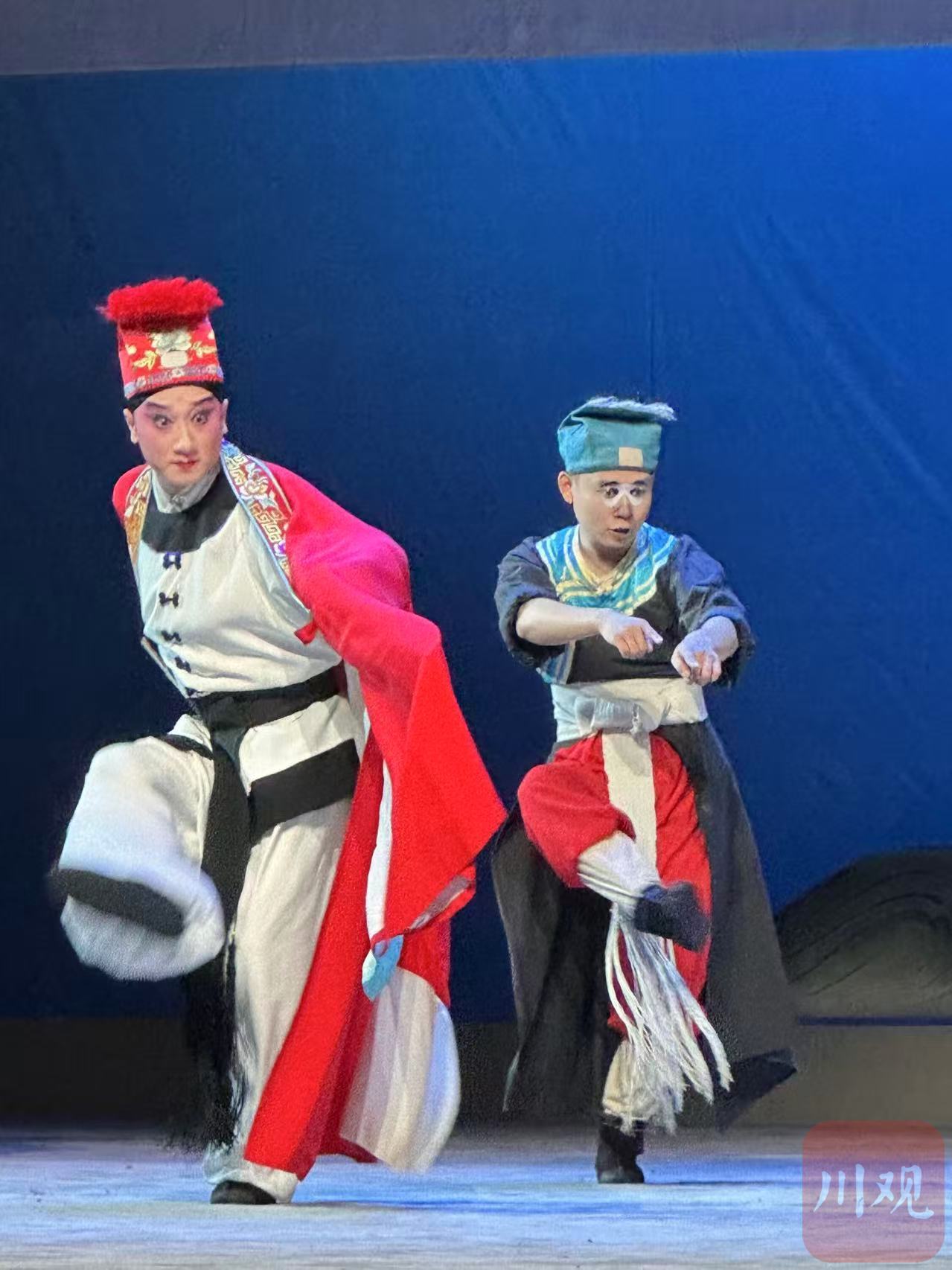
Second, it is attributed to the 'new' composition of the cast and crew. The creative team is predominantly composed of performers born in the 1990s and 2000s: Yang Kunhao, born in the 1990s, serves as both the lead actor and revival director; Li Jinzhi, born after 1995, handled the script adaptation; and core roles, including Yan Gengniang, are played by actors born in the 2000s, demonstrating the rising capability of young performers to take center stage.
Chang Yi, president of the Sichuan Province Sichuan Opera Theatre, served as the executive producer, while Chen Zhilin and He Jianhong acted as artistic advisors, providing guidance throughout the entire process.
In the "Murder on the Boat" scene, Yang Kunhao, playing Xiao Fang, concealed a steel blade on his person, revealing and hiding it intermittently. This skillful elevation of technical prowess to artistry served as a visceral externalization of the 'dagger hidden behind a smile' trope, earning thunderous applause from the audience. To accurately capture the physicality and demeanor of the villain, he lost more than five kilograms during rehearsals. Despite the sweltering heat, he repeatedly practiced stage movements in heavy costumes, persevering even when suffering from heatstroke and vomiting, all to ensure the highest quality of the production.
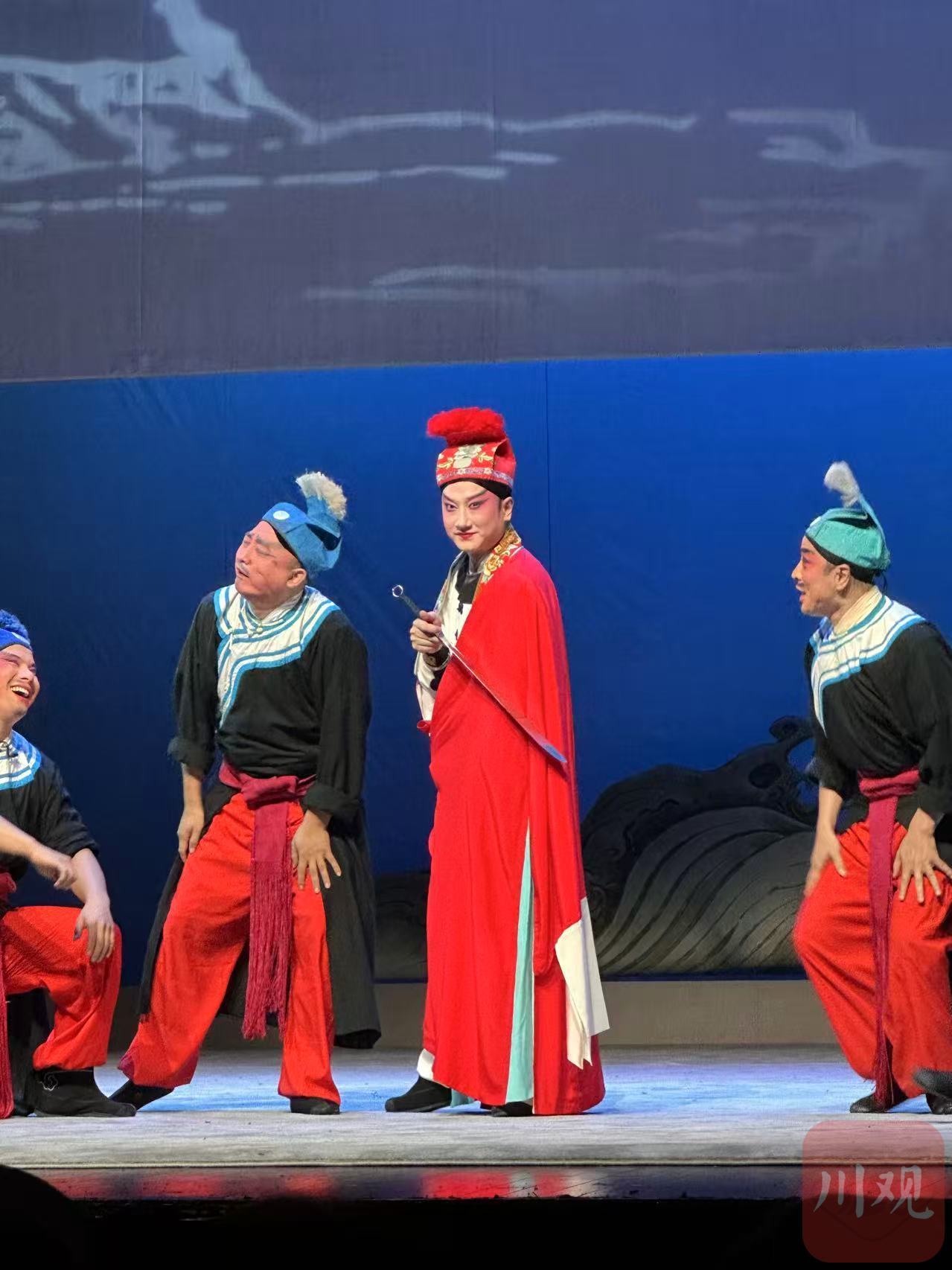
Shen Tiemei noted with encouragement that the production has fully mobilized the initiative of young artists, enabling them to gain a profound understanding of traditional essence. She praised the young creators for their innovative ideas and adept pacing, remarking that Yang Kunhao is well-suited for the role of a 'sinister young scholar', while other cast members have shown impressive appearances and significant progress. She emphasized that young actors must solidly master the 'four skills and five methods'—the fundamental techniques of Chinese opera—to externalize inner emotions through basic training, and should study the memoirs of senior artists to accurately grasp the requisite mindset. While showing off skills detached from the plot is inadvisable, characters cannot be sustained without solid kung fu, and every performer must cultivate a unique specialty.
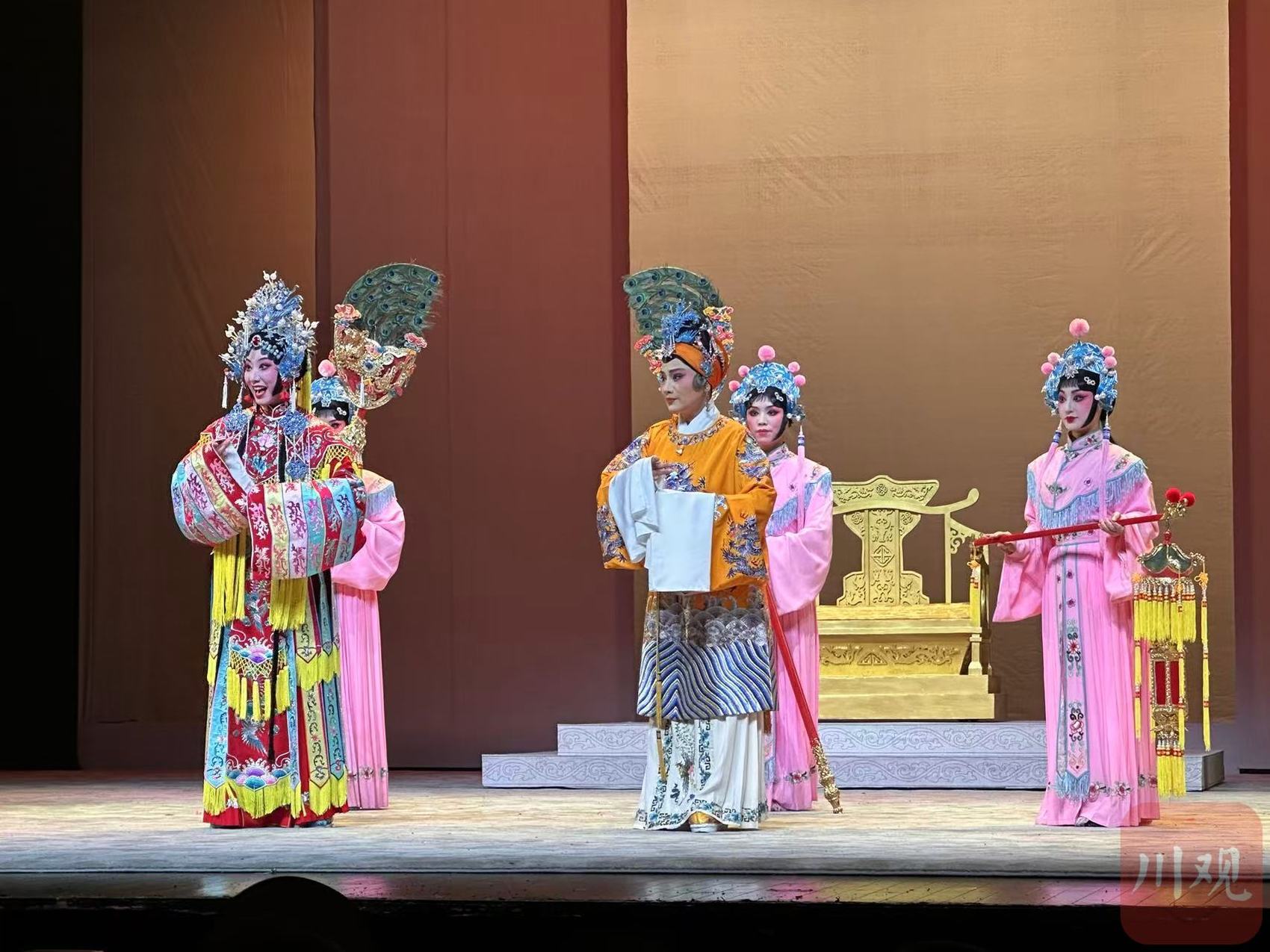
Chen Zhilin viewed the production as a contemporary interpretation of traditional culture by the younger generation. Although "Da Hong Tai" focuses on a villainous character, it maintains an underlying theme of punishing evil and promoting good, capable of awakening the audience's aspiration for virtue. He described the play as a lesson in 'conduct and performance' for young artists, noting its fluid and rich dramatic conflicts, and hailed it as a new exploration in talent cultivation by the Sichuan Opera Theatre.
The presence of these two renowned masters at the revival of a classic play, where young performers take the lead, exemplifies the older generation's support for emerging talent. This mentorship helps Sichuan Opera uphold its traditions while forging new paths in the hands of the younger generation.
【本文部分内容由AI辅助生成,特此声明。The author(s) generated part of the content in this work with the assistance of artificial intelligence (AI), which is hereby declared.】
