
Sichuan's Highland Barley: From Staple Crop to High-Value Industry
2026-09-02 14:30:14 by Queenie Tan
In early autumn, as a chill sets in across the western Sichuan plateau, the Donggu Inn in Duorang Village, Kangding City, is bustling with activity. The inn's manager, Banjiu Pengcuo, noted that his family has just finished harvesting 18 mu of highland barley and is now preparing to process tsampa. Having passed the peak summer tourist season, the inn is currently making preparations for the upcoming Mid-Autumn Festival and National Day holidays.
On the western Sichuan plateau, highland barley is known as the "Black Pearl" due to its rich nutritional value and superior ecological quality. In 2025, the province's sown area of highland barley reached 657,600 mu, an increase of 2.13%; total output hit 123,500 metric tons, up 2.49%; and yield per mu stood at 187.84 kg, a rise of 2.28%. Ganzi Prefecture and Aba Prefecture are the primary production areas, with sown areas remaining stable at over 500,000 mu and 138,000 mu, respectively.
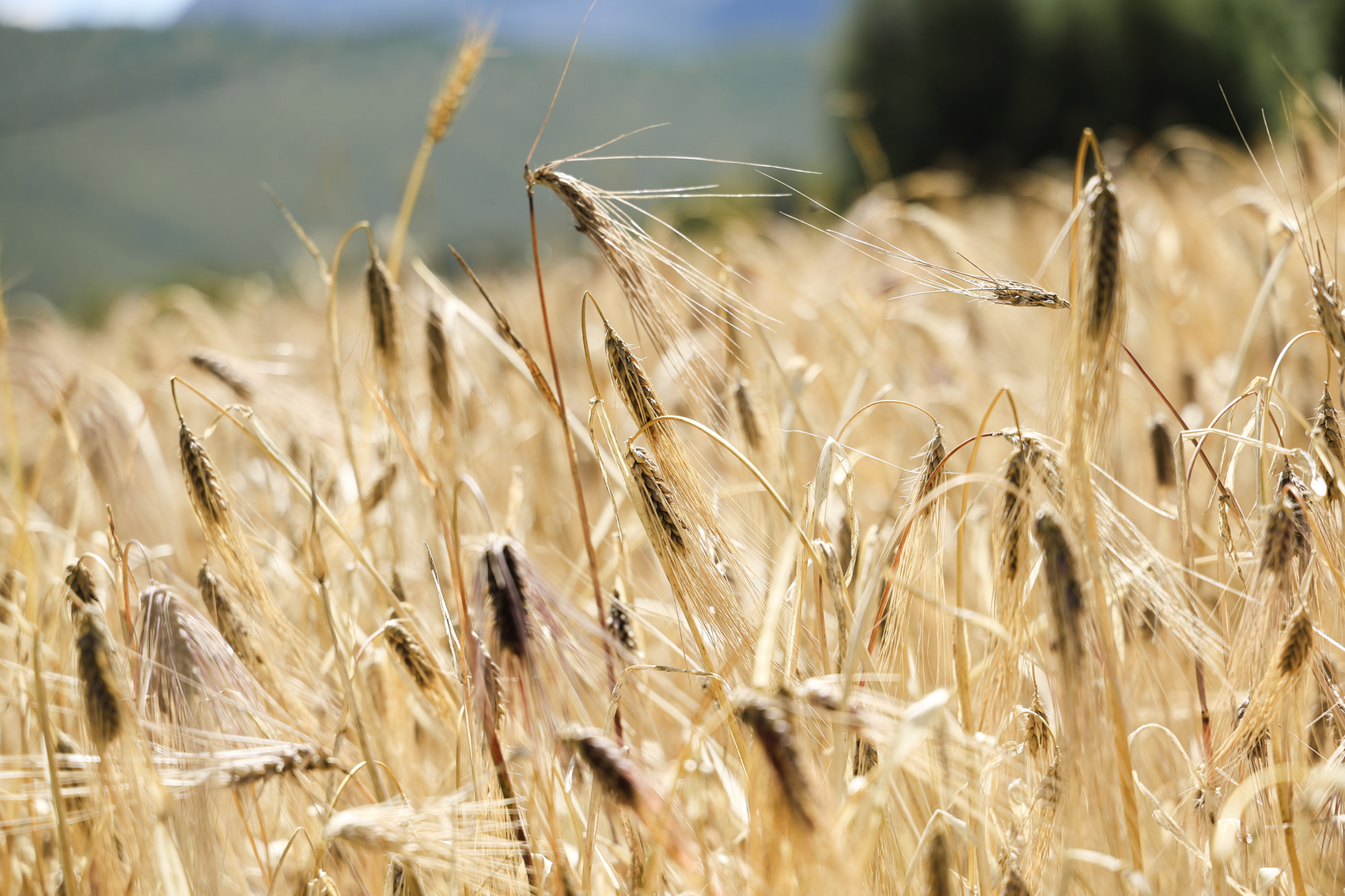
In recent years, the industry chain from cultivation to sales has been steadily improved, and the integration of "highland barley plus tourism" has deepened. Garong Wengmu, head of Jiagenba Town, stated that highland barley fields serve not only as crops but also as scenic attractions for autumn tourists.
With improved seeds and agricultural machinery, highland barley cultivation on the plateau no longer relies solely on weather conditions. On August 28, harvesters roared through the Kangding Highland Barley Modern Agricultural Park as final harvesting operations were underway. As the largest producing area in the province, 500,000 mu of highland barley in Ganzi Prefecture are ripening successively, with the autumn harvest expected to conclude by late September and total output exceeding 100,000 metric tons.
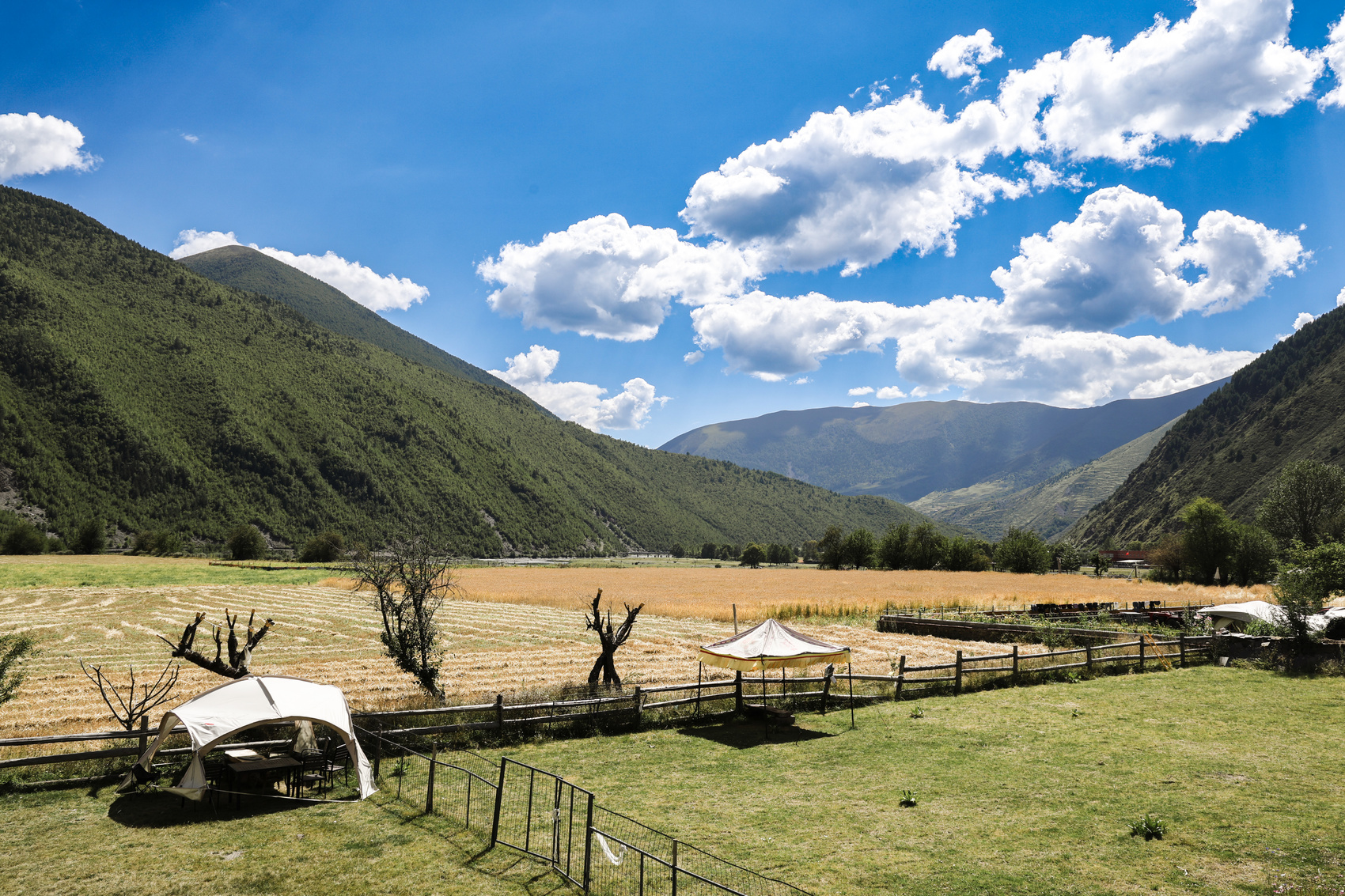
Given the complex climate in major producing areas, breeding superior varieties is crucial. Liu Tinghui, a senior agronomist at the Ganzi Prefectural Academy of Agricultural Sciences, explained that after 20 years of research, the high-yield Kangqing series was developed. The prefecture now has 70,100 mu of seed breeding bases, achieving a 95% coverage rate of improved varieties, and Kangding black highland barley was included in the 2026 National Catalogue of Famous, Special, and Premium New Agricultural Products.
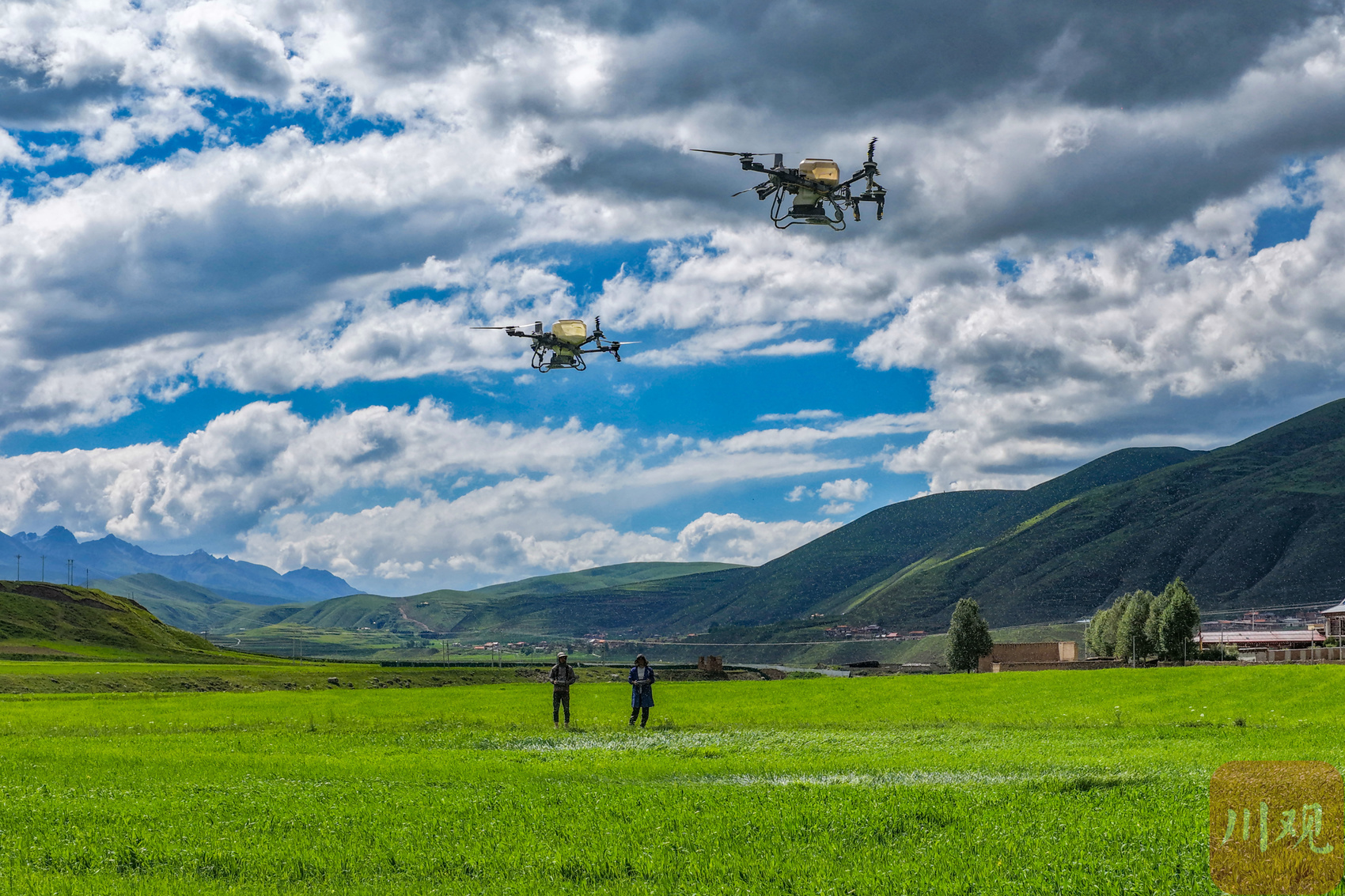
A representative from the Provincial Department of Agriculture and Rural Affairs stated that independently bred varieties account for more than 90% of the province's planting area. The widespread adoption of the Kangqing and Aqing series has completed a large-scale varietal replacement. Meanwhile, drone field patrols and smart irrigation systems have become "new agricultural tools", transforming traditional practices that once relied heavily on weather and experience.
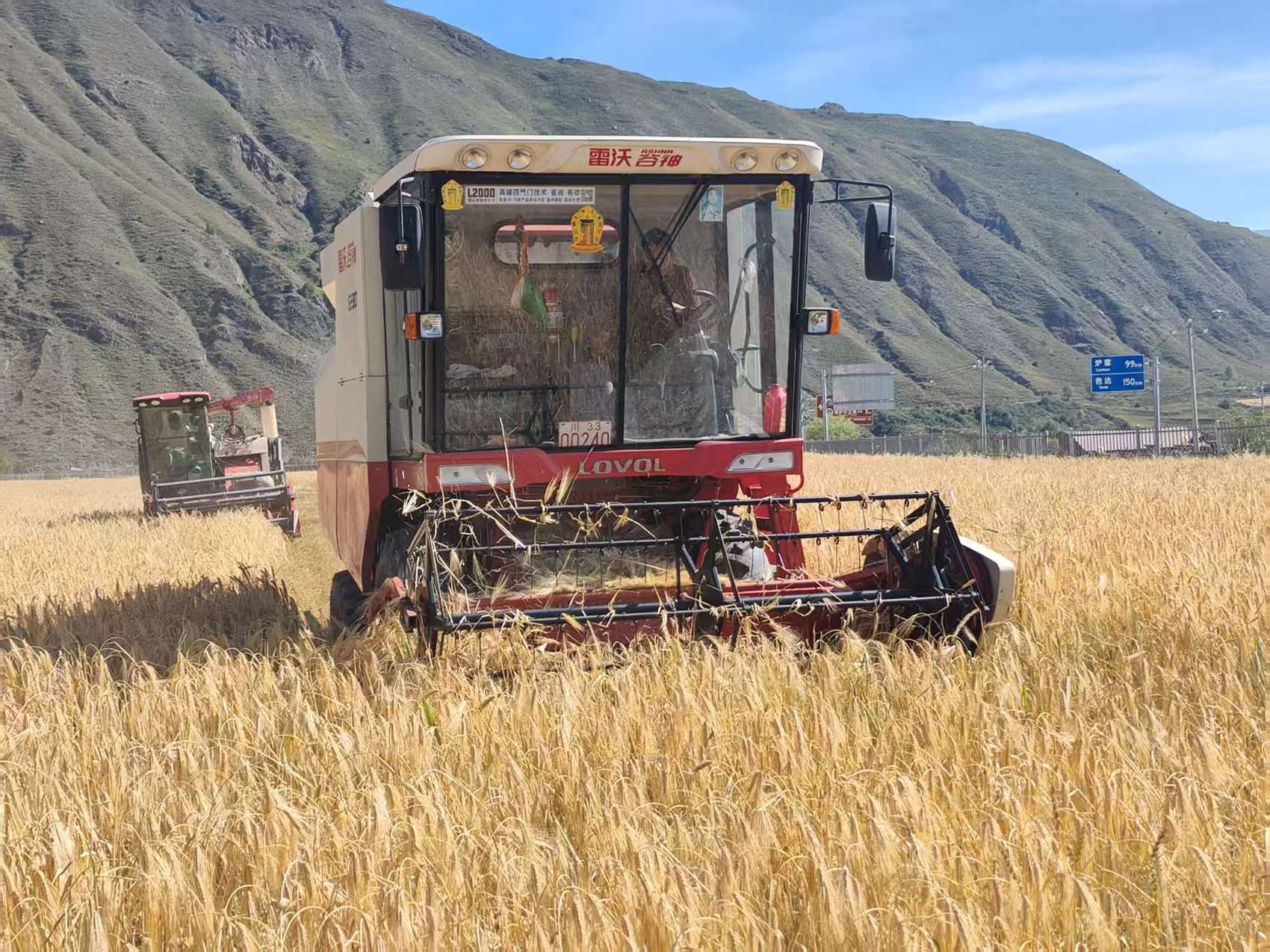
The Kangding park is equipped with 234 sets of advanced agricultural machinery and BeiDou navigation systems, achieving full-process mechanization. Xirao, a villager born in the 2000s, has been so busy that he feels "welded to the harvester". He noted that mechanical harvesting increases efficiency and reduces costs, bringing the park's comprehensive mechanization rate to 86.52%.
This park is one of the representative high-yield demonstration sites in Ganzi Prefecture. The prefecture has established 60 high-yield grain demonstration zones, including 37 for highland barley. By emphasizing dominant varieties and technologies, these zones achieve average yields per mu more than 10% above the regional average, driving high-quality and efficient development.
The industry is transitioning from raw grain sales to processed products, achieving an upgrade in the industrial chain. Long-term reliance on selling raw grain has constrained development, making it essential to overcome the hurdle of shifting from "selling raw grain" to "selling products". Yang Yong from the Kangding Municipal Bureau of Agriculture, Animal Husbandry, Rural Affairs, and Science and Technology explained that leading enterprises have adopted a contract farming model, with 54.25% of the park's highland barley under order. They have developed 25 types of deeply processed products, including tsampa and beer, generating an output value of 21.48 million yuan.
Yangjing, head of the Dama Flower Company in Ganzi Prefecture, stated that the contract purchase price has risen from 3 yuan/kg to 5.6 yuan/kg, and the newly launched formulated highland barley rice boasts an added value 300% higher than that of raw materials. Data shows that Ganzi Prefecture currently has 47 processing enterprises with an annual processing capacity of approximately 40,000 metric tons, developing five major product categories sold nationwide.
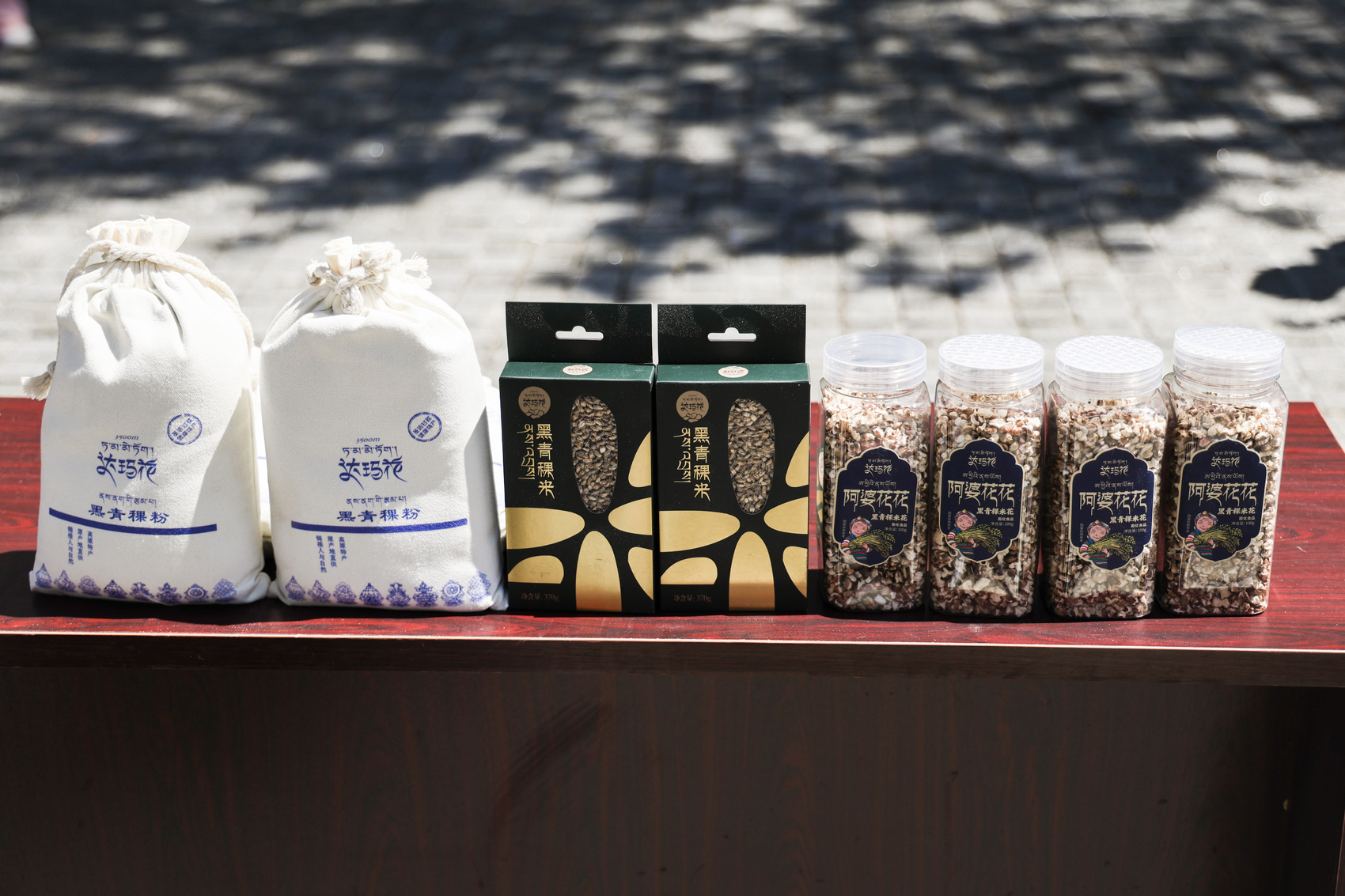
Targeting broader markets, Aba County's "Tuogang Black Highland Barley" has obtained European market access qualifications and is expected to be exported by the end of September. With support from the local government, universities and enterprises have jointly established science and technology courtyards to develop over 30 products, pushing the deep processing rate beyond 80%.
Hu Li, deputy director of the Provincial Academy of Agricultural Sciences, noted that black highland barley possesses a "three-high, three-low" nutritional profile. Both parties have collaborated to complete a whole-industry-chain standardization project and will next focus on researching technologies for the high-value utilization of anthocyanins.
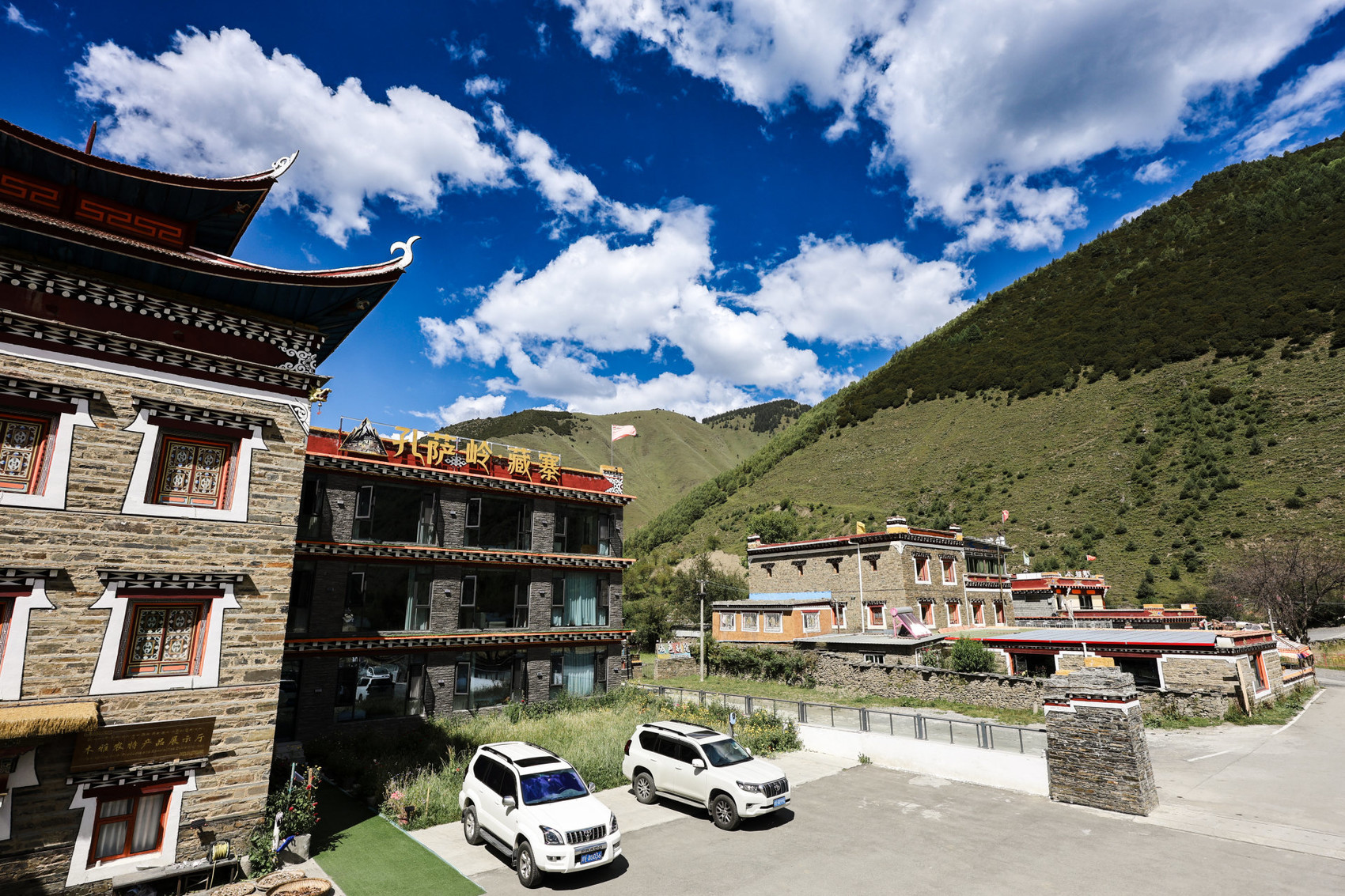
Highland barley fields have become popular internet-famous spots, broadening income channels for local residents. Banjiu Pengcuo earns approximately 300,000 yuan annually each from e-commerce and homestay operations. Tourists capture time-lapse videos amidst the golden barley fields, with blue skies and white clouds framing the stunning scenery.
Garong Wengmu explained that Jiagenba Town has built a four-season cultural tourism framework, turning highland barley from "grain in the bowl" into "cash in the pocket". Of the town's more than 1,000 households, over 500 operate homestays, and per capita income surpassed 20,000 yuan in 2025.
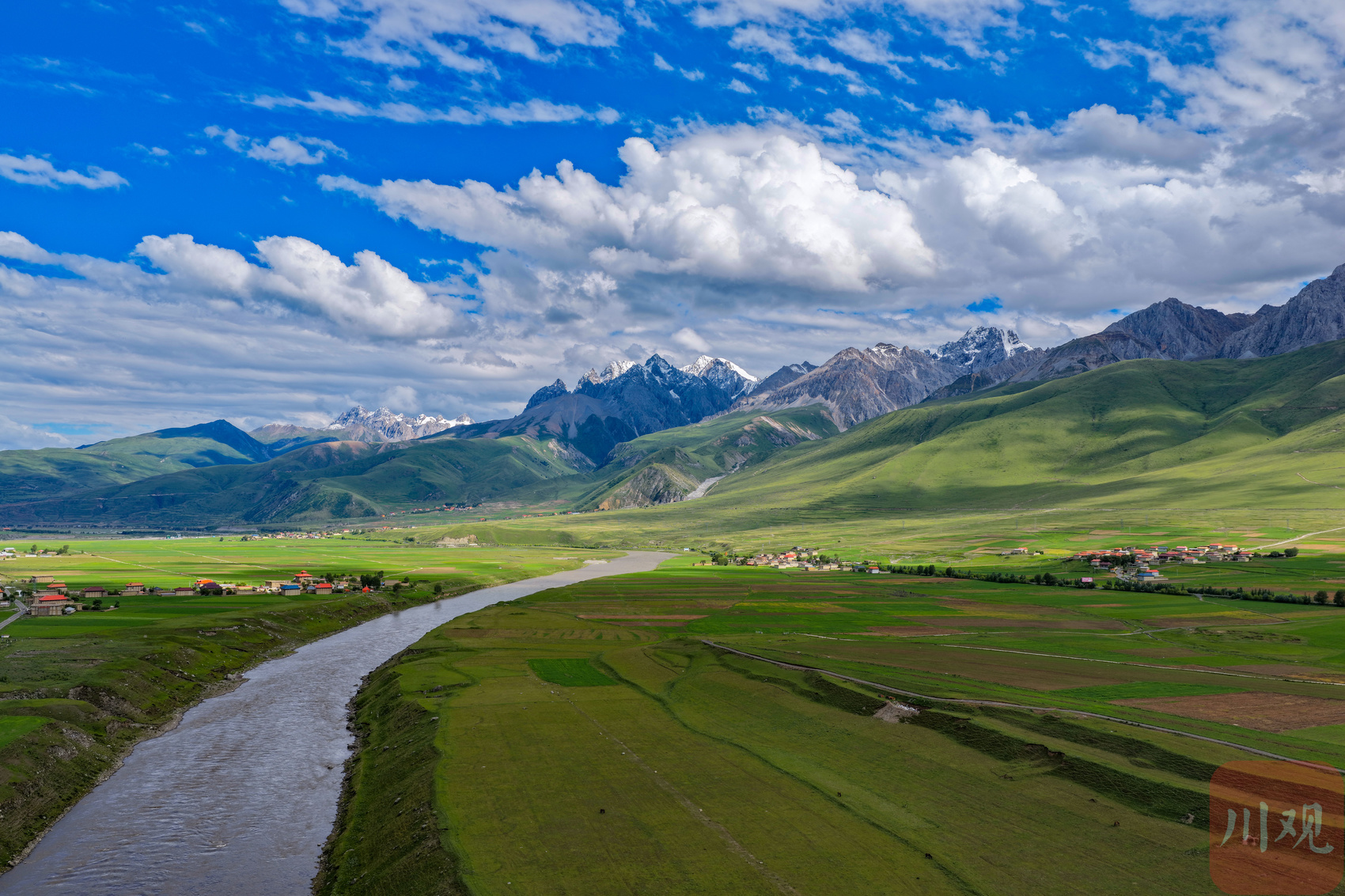
Ganzi County has created the "Hundred-Li Highland Barley Gallery", establishing four viewing points to ensure a quality visitor experience while exploring study tour activities to shift the focus from mere sightseeing to immersive experiences. Yin Yundong, general manager of the Kangding Municipal Investment and Development Group, took charge of the park upgrade project and, following field research, promoted the construction of supporting study centers and homestays.
Yin Yundong stated that the goal is to link the industrial park with cultural tourism routes in surrounding villages, effectively implementing the strategy of "connecting secondary industry with tertiary industry". Today, highland barley connects fields to dining tables and rural areas to the world, broadening income avenues for locals and offering new ways to unlock the industry's value.
【本文部分内容由AI辅助生成,特此声明。The author(s) generated part of the content in this work with the assistance of artificial intelligence (AI), which is hereby declared.】
