
Sichuan: Drones and Smart Sorting Boost Fruit Industry
2026-09-02 10:45:28 by AIOS
In August, the Daliangshan region is filled with the aroma of fruit as pomegranates from Huili and apples from Yanyuan enter their peak marketing season. These fresh fruits, nourished by abundant plateau sunshine, are being transported from remote mountains to markets across the country, weaving a story of rural revitalization characterized by industrial prosperity and increased incomes for fruit growers.
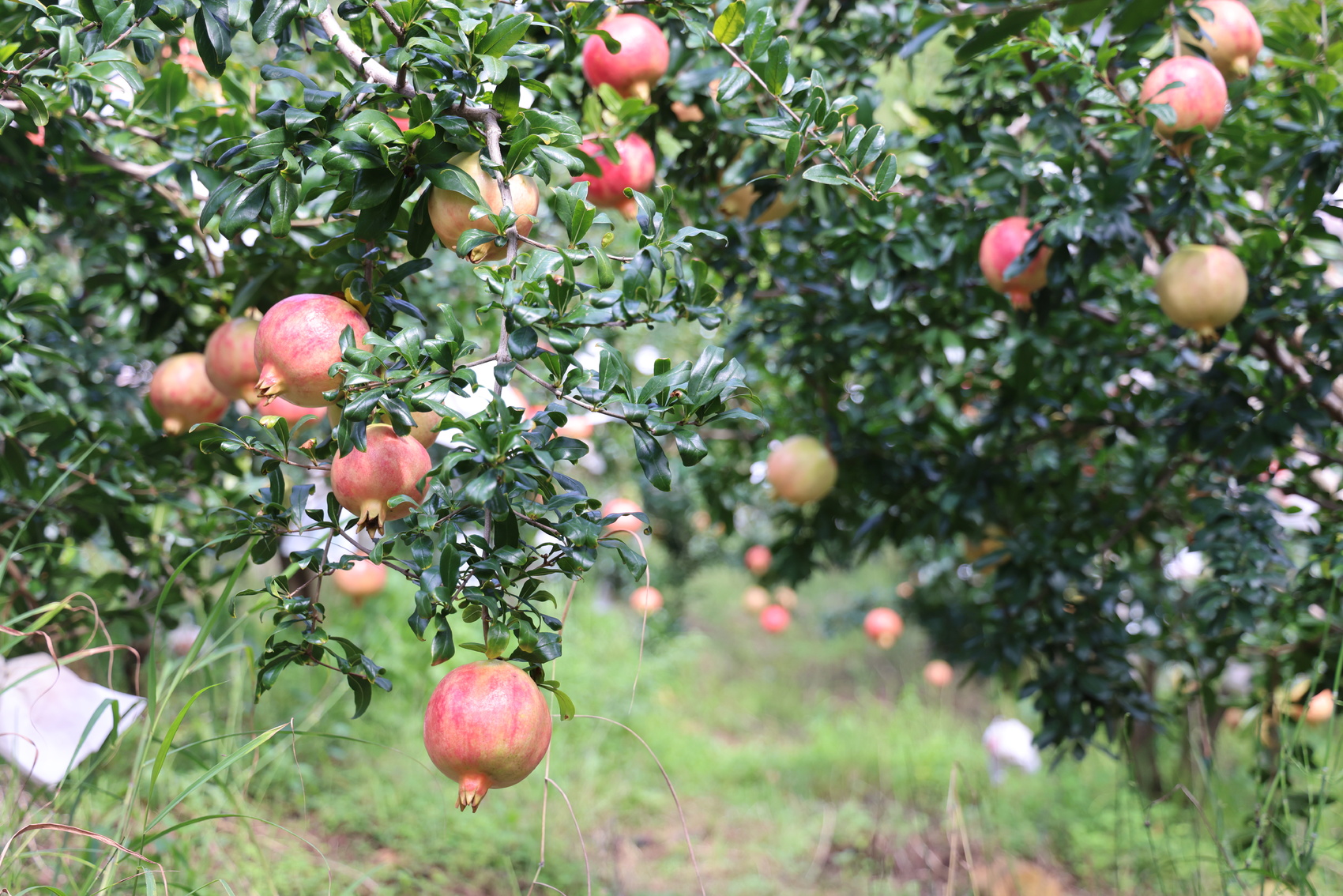
Pomegranates hang heavily on the branches in Huili
Pomegranates and apples are two highlights of Liangshan Prefecture's agricultural portfolio. In recent years, Liangshan has prioritized the development of "specialty agricultural industry chains", striving to build a "6+8" modern agricultural industrial system that includes fruit among its six 10-billion-yuan pillar industries. By tapping into the "sweet" resources cultivated by unique geographical and climatic conditions, an increasing variety of fruits from Daliangshan are reaching broader markets, creating promising economic prospects. Recently, reporters visited orchards in both locations to explore the industrial dynamics behind these resources.
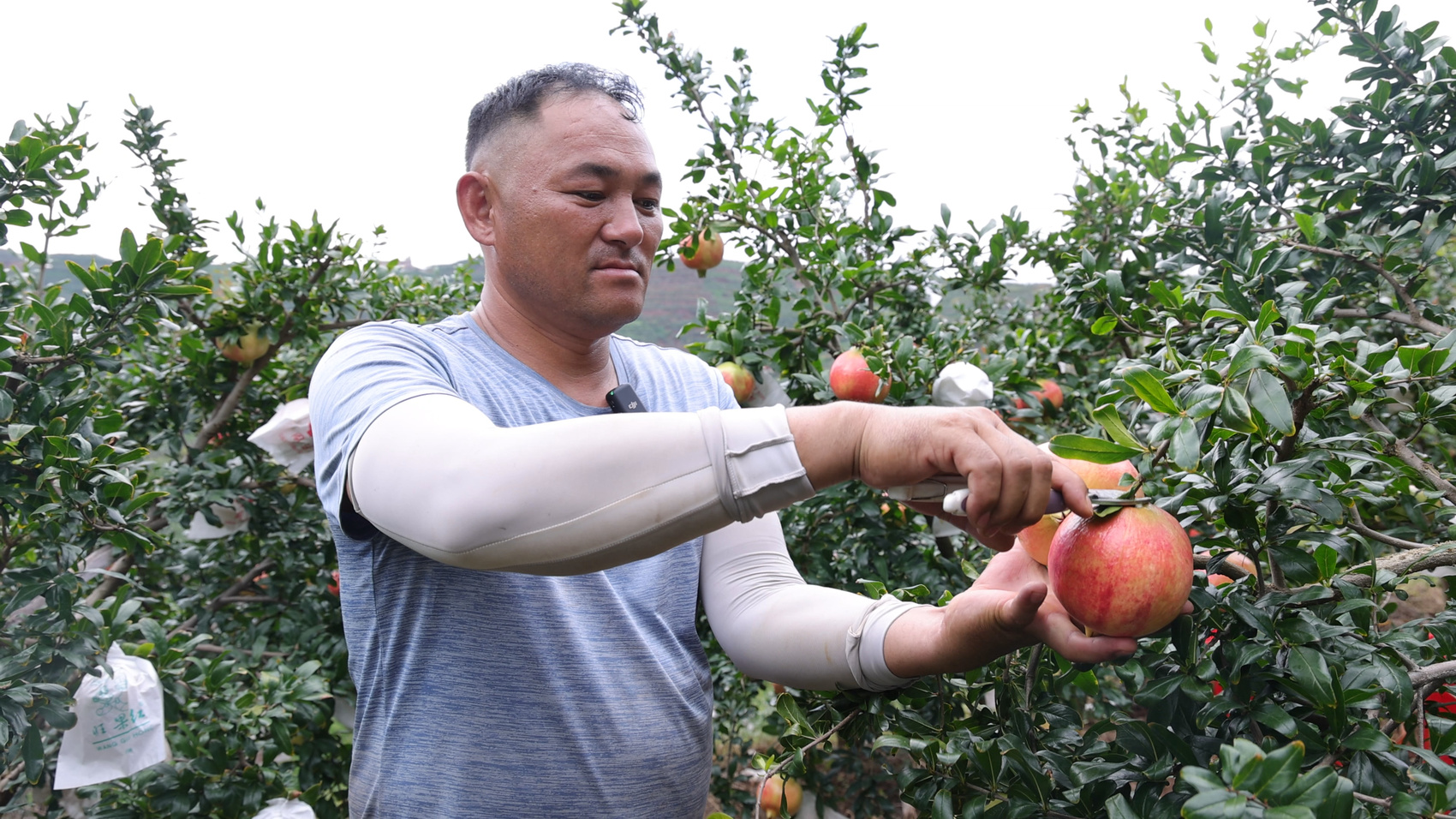
Technology empowers pomegranates to command better prices. On Aug. 27, a 29-ton shipment of Huili pomegranates was loaded in Zhangguan Town for transport to Harbin. Watching the truck filled with fruit, villager Wang Chengyin said with a smile, "Some are even sold abroad."
Currently in the peak harvest season, Huili strictly implements systems for unified orchard opening, batch harvesting, and graded sorting. A full-process standardized system has been established to classify and sell fruit based on weight and color, ensuring the region's agricultural brand remains prominent.
This year, orchards have seen increased technological integration. In Yanlong Village, fruit grower Deng Xinghu operates a drone to airlift nearly 100 kilograms of pomegranates to loading points in mere seconds. Manual transport was previously labor-intensive, time-consuming, and prone to damaging the fruit. Since initial trials in 2021 and large-scale adoption in 2024, drones have not only bridged the "last mile" of logistics but also ensured product quality.
Meanwhile, construction is accelerating on an intelligent fresh juice extraction facility. Once completed, it will process pomegranates and other local specialty fruits, extending the industrial chain and enhancing value-added returns.
Huili currently boasts 400,000 mu (approximately 26,667 hectares) of high-quality pomegranate orchards, yielding about 800,000 tons annually with a comprehensive output value exceeding 8 billion yuan. The fruit is exported to more than 20 countries, including Russia and Canada.
Zhao Gang, deputy mayor of Huili, noted that the city has cultivated multiple leading enterprises and cooperatives, engaging over 80,000 residents in the industry. Fruit growers now achieve a per capita net income of 35,000 yuan, marking a genuine transition from a major planting base to an industrial powerhouse.
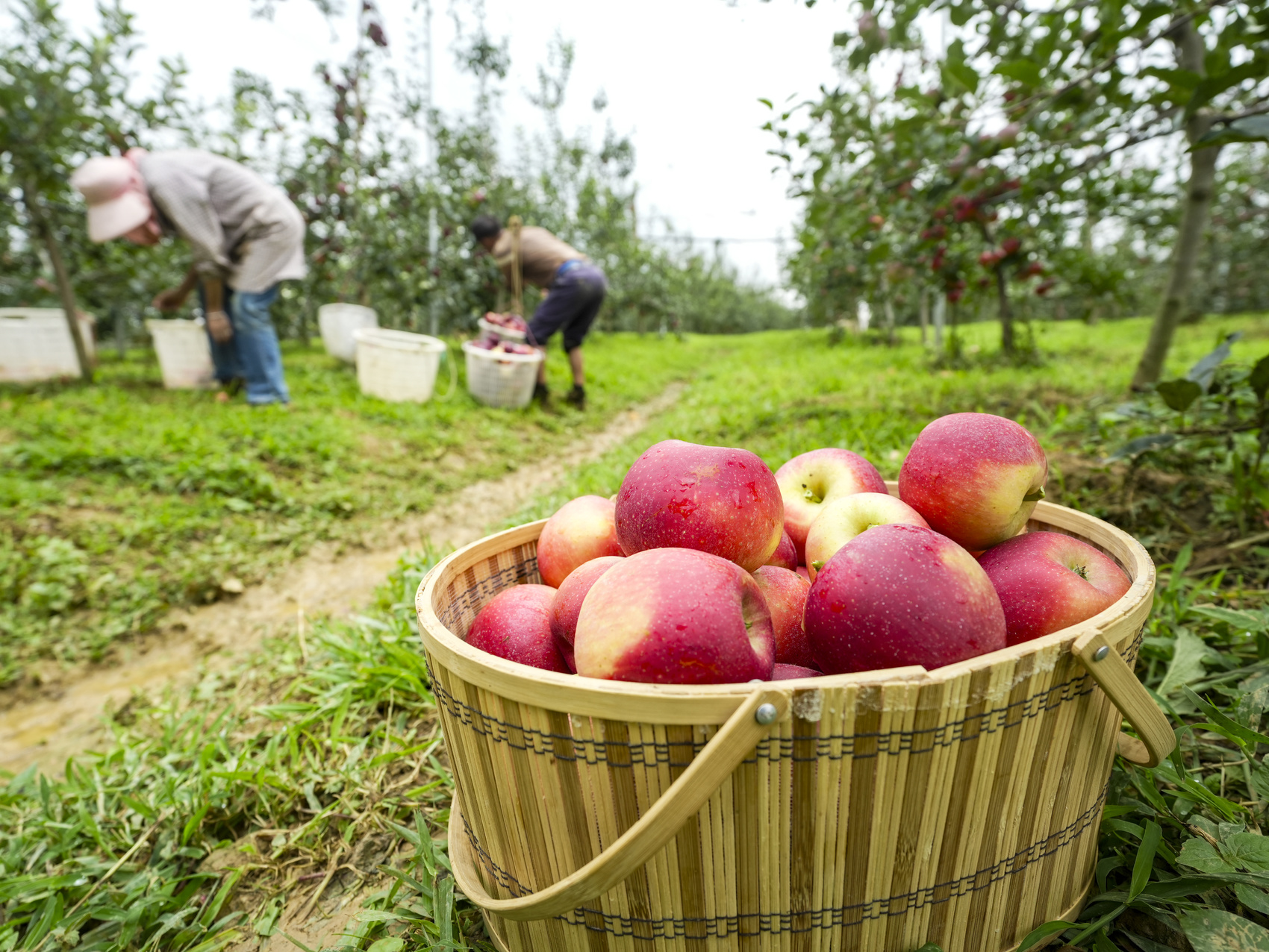
Apples from Yanyuan County
Resource integration enables professional apple operations. On Aug. 28, four intelligent sorting production lines were running at full speed in the apple industrial park in Zhonggulou Village, Weicheng Town, Yanyuan County. Wen Hua, secretary of the village Party committee, explained that once fully operational, the lines can process 4.5 million kg of apples annually, matching capacity to ensure premium pricing for superior fruit. As a core production area, apples here are crisp and juicy. However, fragmented farming in earlier years led to inconsistent quality, while a lack of storage and sorting facilities often resulted in sales difficulties, leaving the industry's potential untapped.
To address these bottlenecks, Zhonggulou Village pooled 8.7 million yuan to build a modern industrial park integrating intelligent sorting, cold-chain storage, and e-commerce exhibition and sales, thereby filling critical gaps. The park adopts a model of collective ownership with professional corporate management. Its supporting large-scale cold storage facility can hold approximately 10,000 tons of apples, effectively mitigating oversupply risks and enabling off-season value appreciation.
In 2025, the village generated over 6 million yuan in additional income for residents through sales and dividends, along with more than 4 million yuan in wages from employment within the park.
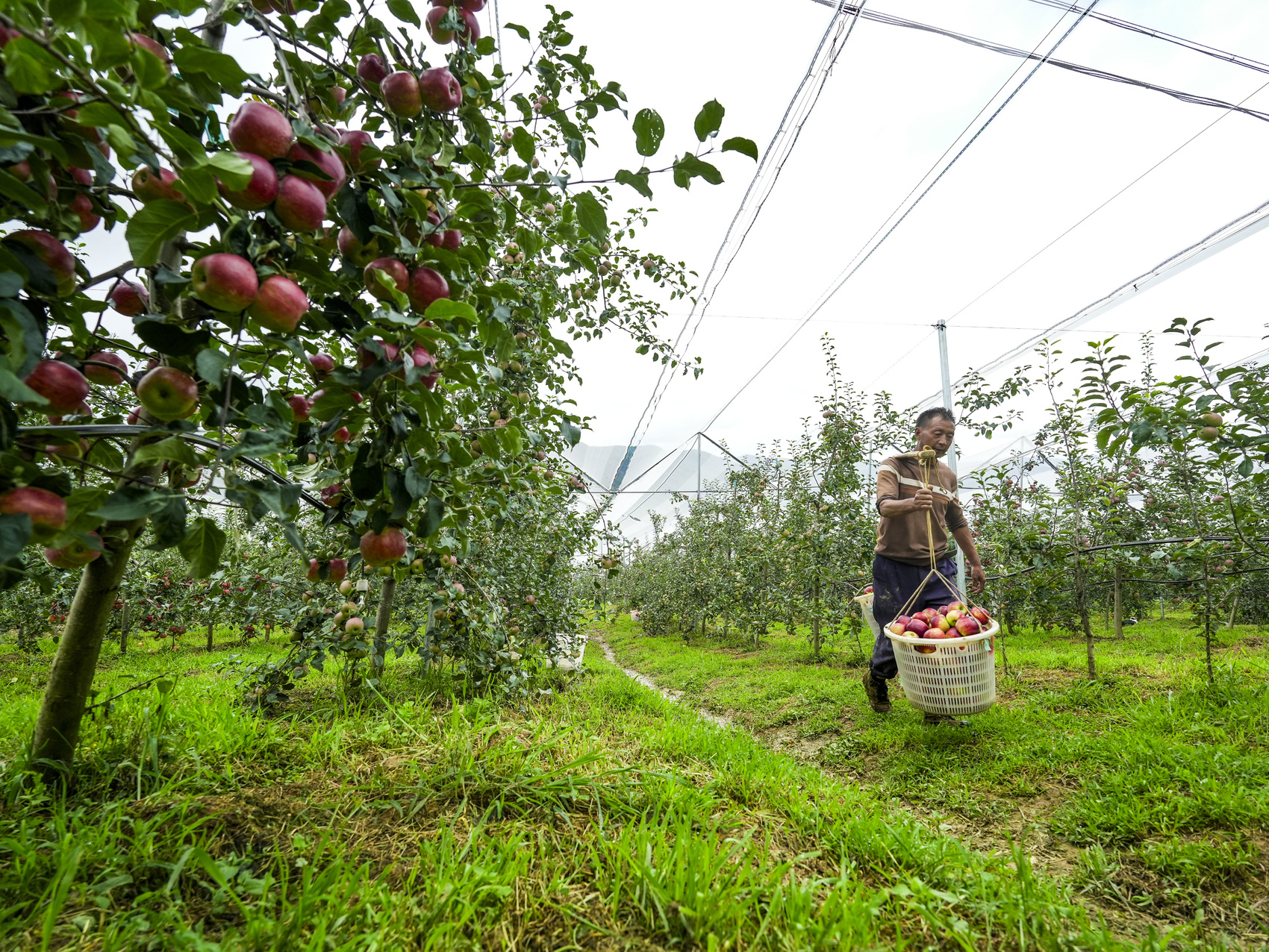
Orchard workers harvest apples in Yanyuan County
Wen Hua stated that during the peak processing season, the park employs over 100 villagers daily, with average daily earnings of around 180 yuan. Looking ahead, the village plans to further optimize operations and explore new business models such as contract farming and integrated agriculture-culture-tourism initiatives. The county's total apple cultivation area now stands at 432,800 mu (approximately 28,853 hectares), with annual output exceeding 750,000 tons and a comprehensive output value surpassing 4 billion yuan, making it the largest apple production base in Southwest China.
【本文部分内容由AI辅助生成,特此声明。The author(s) generated part of the content in this work with the assistance of artificial intelligence (AI), which is hereby declared.】
