
China Approves New Nuclear Projects: What It Means for Sichuan
2026-08-13 16:31:08 by Noah Dawson
Recently, the State Council Executive Meeting approved four nuclear power projects, including Phase II of the Zhejiang Jinqimen Nuclear Power Plant, comprising a total of eight reactor units. This marks another significant move in China's nuclear power sector following the approval of five projects last year, including the Xiapu project in Fujian Province.
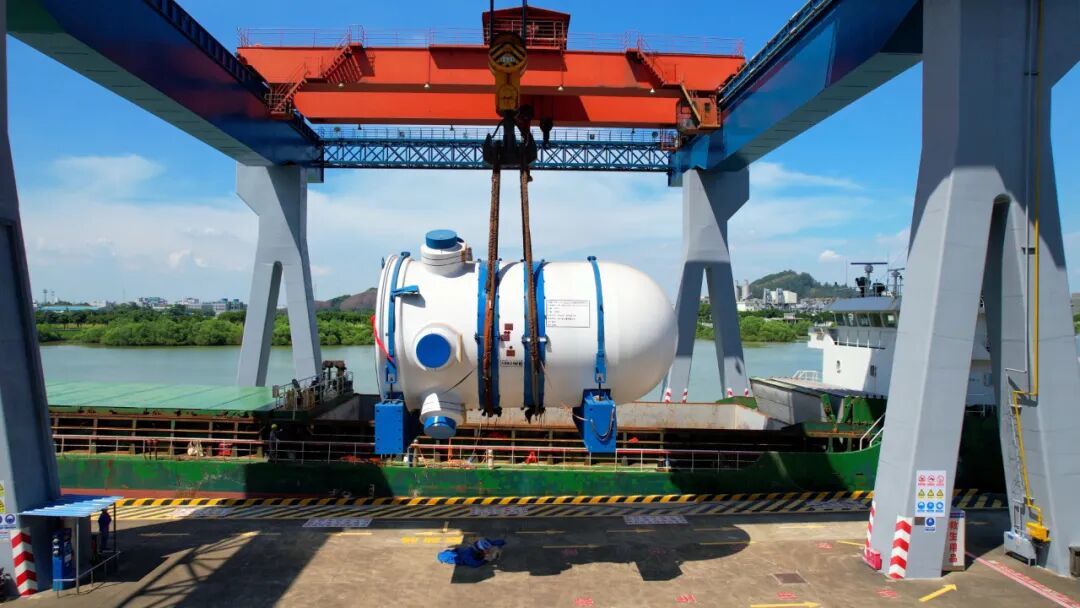
Reactor pressure vessel of the Taipingling Nuclear Power Unit
Currently, clean and stable baseload power sources, represented by nuclear energy, have become strategic resources that countries worldwide are vying to develop.
Domestically, the "China Nuclear Power Development Report (2026)" indicates that as of the end of 2025, China had 112 nuclear power units either in operation or under construction with official approval, boasting an installed capacity of 125 million kilowatts, ranking first globally in total scale. Following this latest approval, the figure will rise to 120 units.
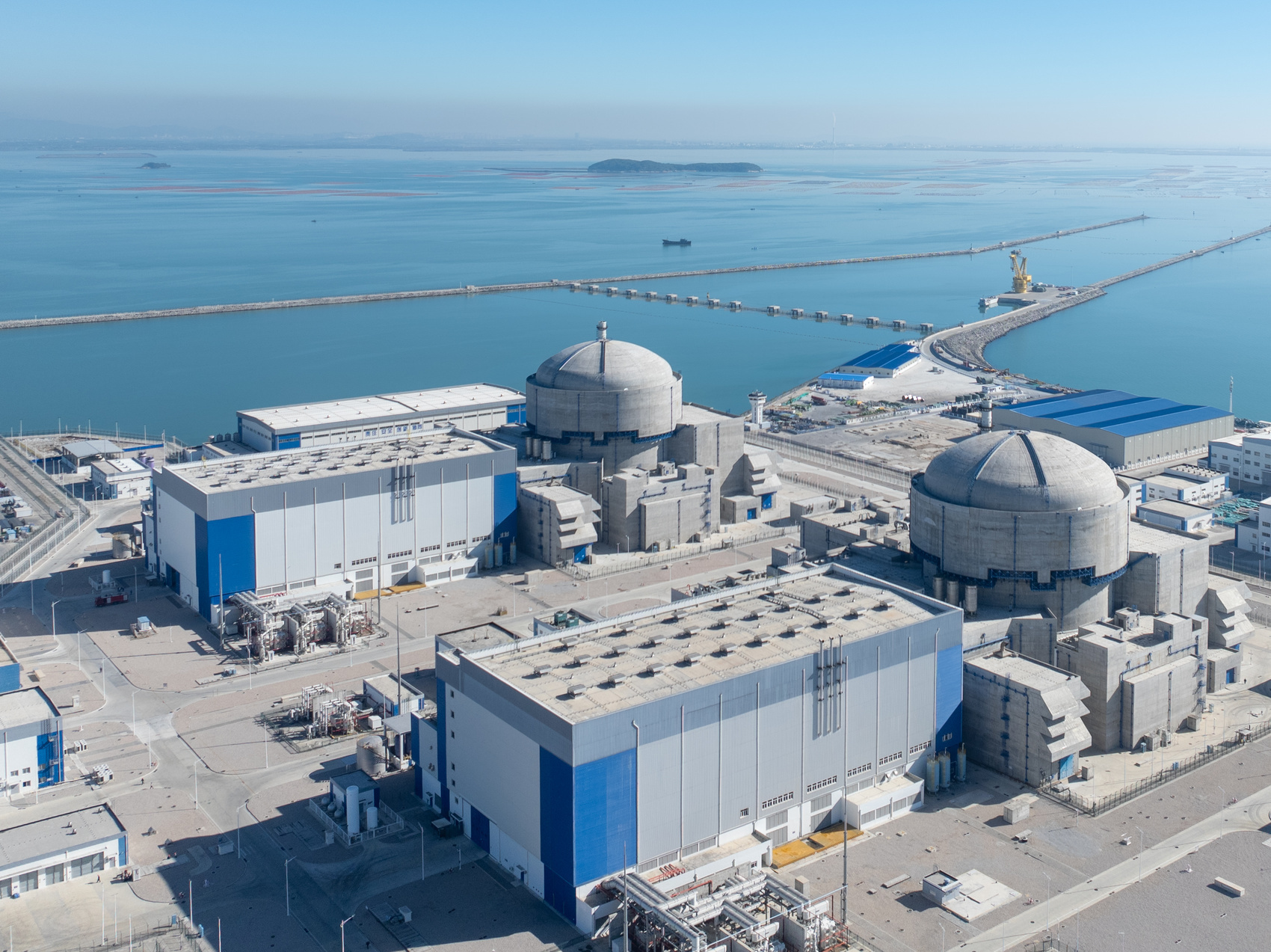
The world's largest Hualong One nuclear power base
Internationally, the United States has proposed a plan to quadruple its nuclear power capacity; Canada plans to build 10 new large-scale nuclear reactors; Sweden is constructing nuclear reactors again after more than 40 years; Vietnam aims to complete its first nuclear power plant before 2031; and countries such as India and Egypt have formulated aggressive nuclear power development plans.
Various signs suggest that nuclear energy appears to be reclaiming its central position in the global energy industry. Observations also indicate that this latest round of approvals has released at least two key signals.
Signal One: Technological Upgrade as the Enhanced Hualong One Comes Online
Notably, six of the newly approved units will utilize Hualong One nuclear power technology. Among them, four units from Phase II of the Zhejiang Jinqimen Nuclear Power Plant and Phase III of the Guangdong Taipingling Nuclear Power Plant have been explicitly designated as demonstration projects for the Hualong One Technology Integration Scheme Version 2.0.
Researchers explain that the so-called Hualong One Version 2.0 is an advanced Generation III+ pressurized water reactor technology developed through independent innovation and systematic coordination, building upon feedback from previous construction and operational experience. It represents a major landmark achievement in China's transition from being generally on par with global leaders to achieving comprehensive parity and partial leadership in specific areas.
Specifically, this enhanced version adopts Chinese standards, proprietary software, and optimized active and passive safety systems, incorporating advanced techniques in intelligent control and modular construction. "This approach significantly reduces engineering workload while comprehensively enhancing safety, technological advancement, and economic efficiency. It further strengthens overall competitiveness and holds great significance for promoting independent innovation and development in China's nuclear power technology."
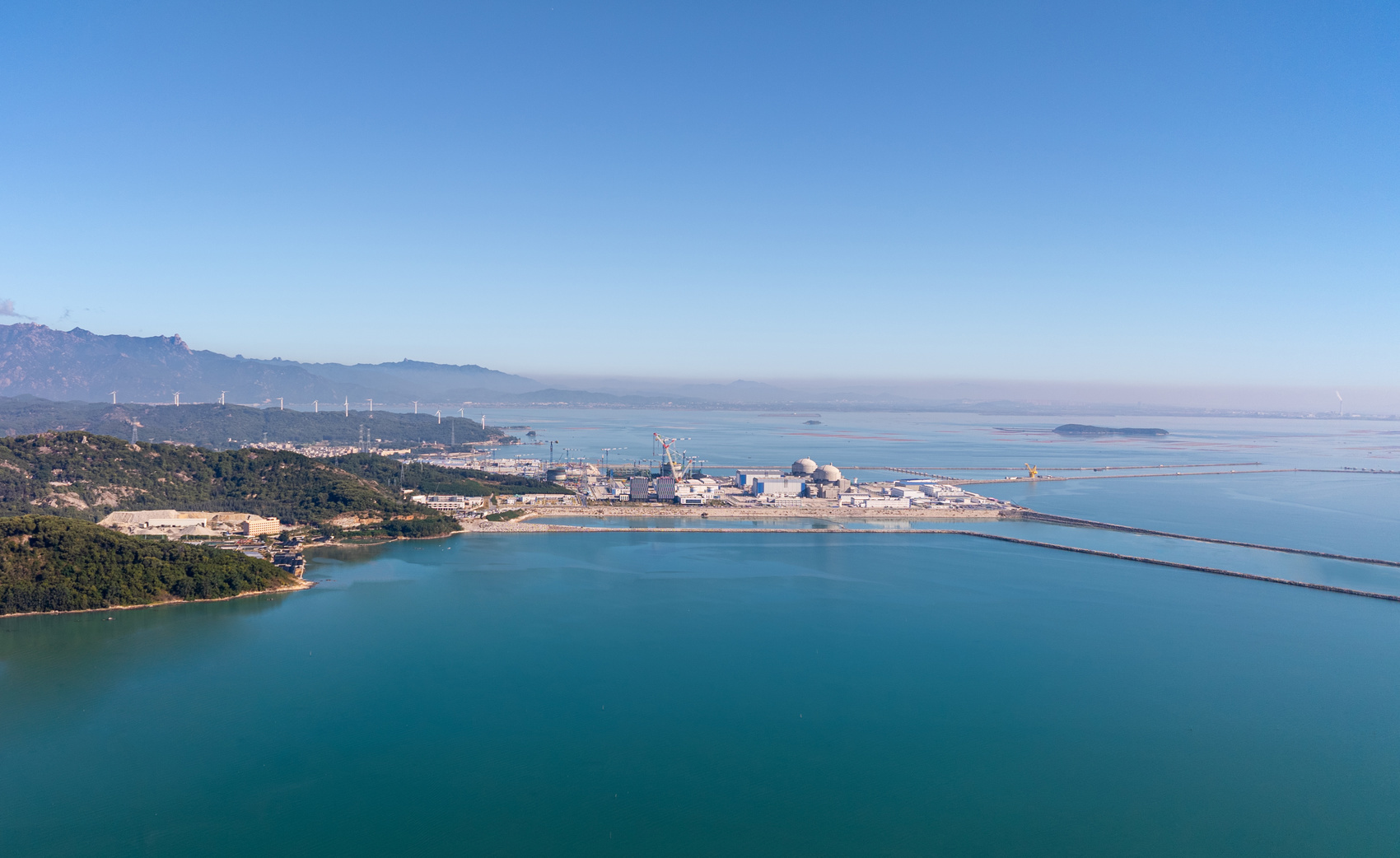
The world's largest Hualong One nuclear power base
Industry experts believe that the official approval of the Hualong One Version 2.0 demonstration projects represents not only a major upgrade of critical national infrastructure at the technical level but also builds substantial momentum for the scaled development of China's nuclear energy sector at the industrial level, driving the entire supply chain toward a new round of development opportunities.
Signal Two: Industrial Opportunities as Sichuan's Nuclear Sector May Enter a Window of Dual Peaks
It was disclosed that the total investment for the four approved projects exceeds 170 billion yuan. As a major province in both the nuclear industry and nuclear technology applications, Sichuan is deeply involved in multiple aspects of nuclear power plant construction. Where do future opportunities lie? An analysis can be conducted across research and design, equipment manufacturing, and innovation platforms.
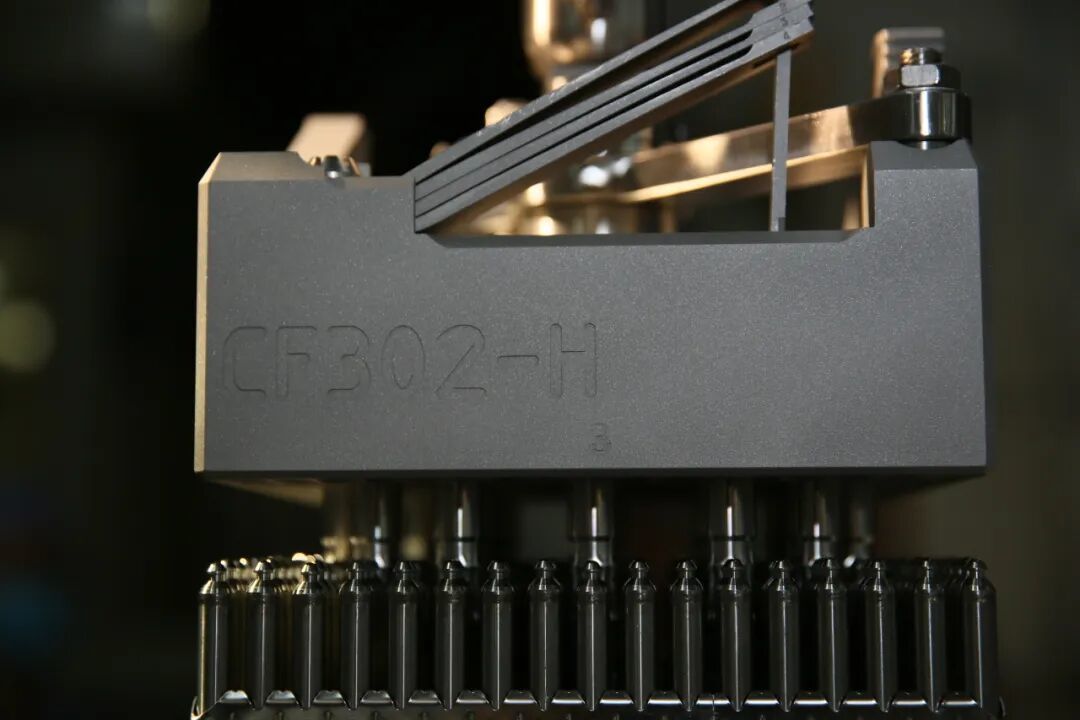
CF3 fuel assembly
First, regarding research and design, core innovation continues to lead the way. The heart of the Hualong One—the reactor and primary circuit system—was researched and designed by the Nuclear Power Institute of China (NPIC), located in Chengdu. With the implementation of the Version 2.0 demonstration projects, NPIC will continue to undertake core R&D tasks.
Meanwhile, the institute's independently developed Longshan Safety-Class DCS system, rod control and position indication systems, and other core instrumentation and control equipment, hailed as the neural center of the Hualong One, have already achieved their first large-scale application at the world's largest Hualong One nuclear power base. Industry forecasts suggest that as construction of Version 2.0 progresses, these fully autonomous and controllable core technologies will undergo further iterative upgrades, consolidating Sichuan's leading position in nuclear power R&D and design.
Next, regarding equipment manufacturing, various regions in Sichuan are deeply engaged.
In Deyang, Guoji Heavy Equipment Group Erzhong Equipment has achieved domestic production of nuclear main pump casings, equipping the Hualong One with super-alloy armor. Currently, the company is focusing on Hualong One Version 2.0, making sustained efforts in areas such as main equipment integration, technical document review, and the application of domestic standards.
Enterprises affiliated with Dongfang Electric Corporation are heavily involved in supplying main equipment for both the nuclear island and conventional island, including reactor coolant pumps, turbine-generator sets, reactor pressure vessels, and reactor internals. They will continue to support the commissioning and power generation of additional Hualong One units.
Deyang Jiuding Electric primarily manufactures large structural components for the conventional island, such as low-pressure outer cylinders for steam turbines. According to public information, the company's orders for 2026 have exceeded 400 million yuan, with some scheduled into 2027, and its annual output value target is expected to grow by 10% to 20%.
In Dujiangyan, Sichuan Huadu Nuclear Equipment Manufacturing Co., Ltd. is a leading domestic enterprise in the field of nuclear reactor control rod drive mechanisms (CRDMs), ranking among the top in market share. The CRDM is the sole actuation device on a nuclear reactor, functioning like the accelerator and brake of a car, and is one of the critical pieces of equipment directly affecting the safe operation of the reactor.
Currently, the company manufactures CRDMs for multiple Hualong One units nationwide and has previously secured contract orders worth over 1 billion yuan from the Zhejiang Sanmen Nuclear Power Plant and the Fujian Zhangzhou Nuclear Power Plant. With the approval of the Version 2.0 demonstration projects, the order backlog is expected to extend further. "Moving forward, we will enhance digitalization, actively develop fourth-generation nuclear power technologies, and promote greater localization of core components manufactured in Sichuan."
Focusing on the nuclear fuel segment, CNNC Jianzhong Nuclear Fuel Element Co., Ltd., located in Yibin, is responsible for manufacturing CF3 fuel elements, achieving supply chain synergy between R&D and design in Chengdu and manufacturing in Yibin.
Furthermore, innovation platforms will continue to play a supportive role. The Pilot R&D Platform for Advanced Nuclear Energy Equipment, based in Chengdu, serves as a crucial link connecting R&D with mass production. As demand increases for new technologies, materials, and processes associated with Hualong One Version 2.0, the platform will continue providing essential pilot verification services to universities, research institutes, and enterprises, facilitating sustained growth in Sichuan's nuclear energy industry.
This batch of approvals constitutes the first nuclear power units sanctioned during the 15th Five-Year Plan period. Industry insiders view this as continued validation of positive policy support. This also implies enhanced continuity and predictability of supply chain orders, positioning Sichuan's nuclear design and equipment manufacturing enterprises to enter a window period characterized by dual peaks in both construction and commissioning.
【本文部分内容由AI辅助生成,特此声明。The author(s) generated part of the content in this work with the assistance of artificial intelligence (AI), which is hereby declared.】
