
How Animated Film All Wishes Come True Sparks Tourism in Sichuan
2026-07-24 11:52:03 by AIOS
"Each of the Eight Immortals crosses the sea in their own way." This summer, the Sichuan-produced animated film All Wishes Come True has grossed over RMB 400 million at the box office, with its popularity continuing to rise.
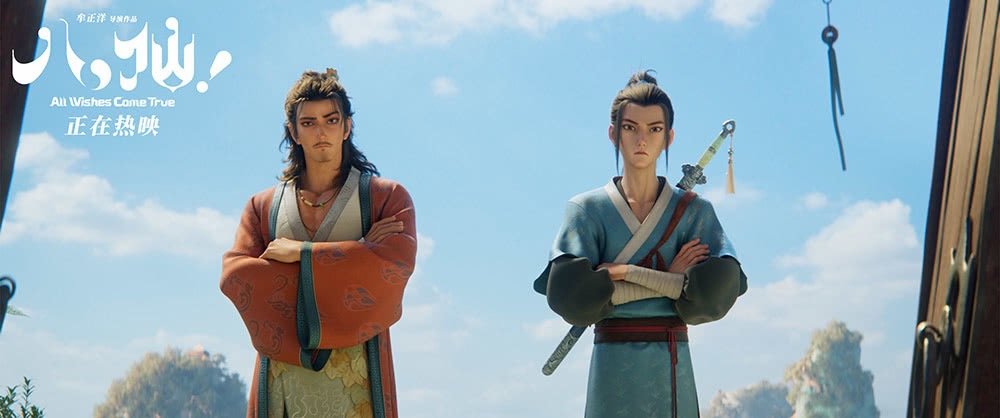
A still from the film All Wishes Come True
The film incorporates numerous elements from Sichuan culture: Tieguai Li speaks "Chuanpu" (Sichuan-accented Mandarin), the Eight Immortals gather around a hotpot meal, and the ancient tree in front of the Taoist temple is modeled after the nearly 2,000-year-old Tianshi Ginkgo at Mount Qingcheng, showcasing the rich cultural heritage of the Bashu region. Capitalizing on the film's success, Sichuan has launched the themed tourism route "Follow the Eight Immortals' Through Sichuan" linking filming locations such as Mount Qingcheng and Dujiangyan to invite audiences to explore the "Sichuan Ease".
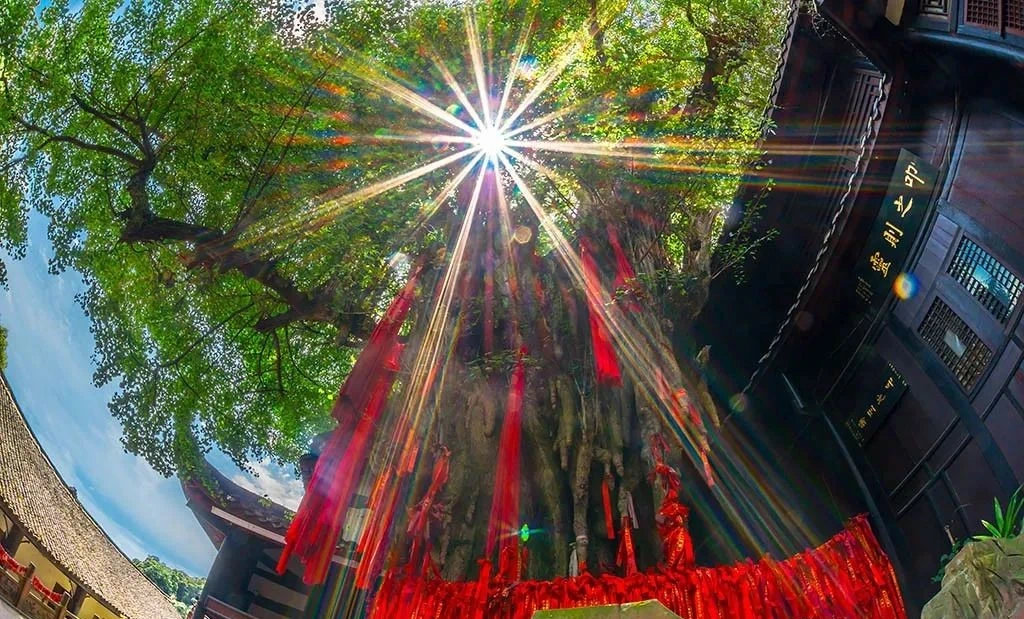
A thousand-year-old tree on Mount Qingcheng
The ancient tree adorned with red cloth strips in the film is based on the approximately 1,900-year-old Tianshi Ginkgo standing before the Tianshi Cave at Mount Qingcheng. Legend holds that it was planted by Zhang Daoling during the Eastern Han Dynasty and remains vigorous and lush to this day. As a renowned Taoist mountain, Mount Qingcheng shares deep historical ties with Lü Dongbin; multiple halls across the mountain enshrine statues of him. Summer visitors can enjoy the mountain's famed tranquility—"Qingcheng is the most serene under heaven"—and also experience the immersive performance White Snake and The Gingko offering a Qingcheng-style "immortal martial world".
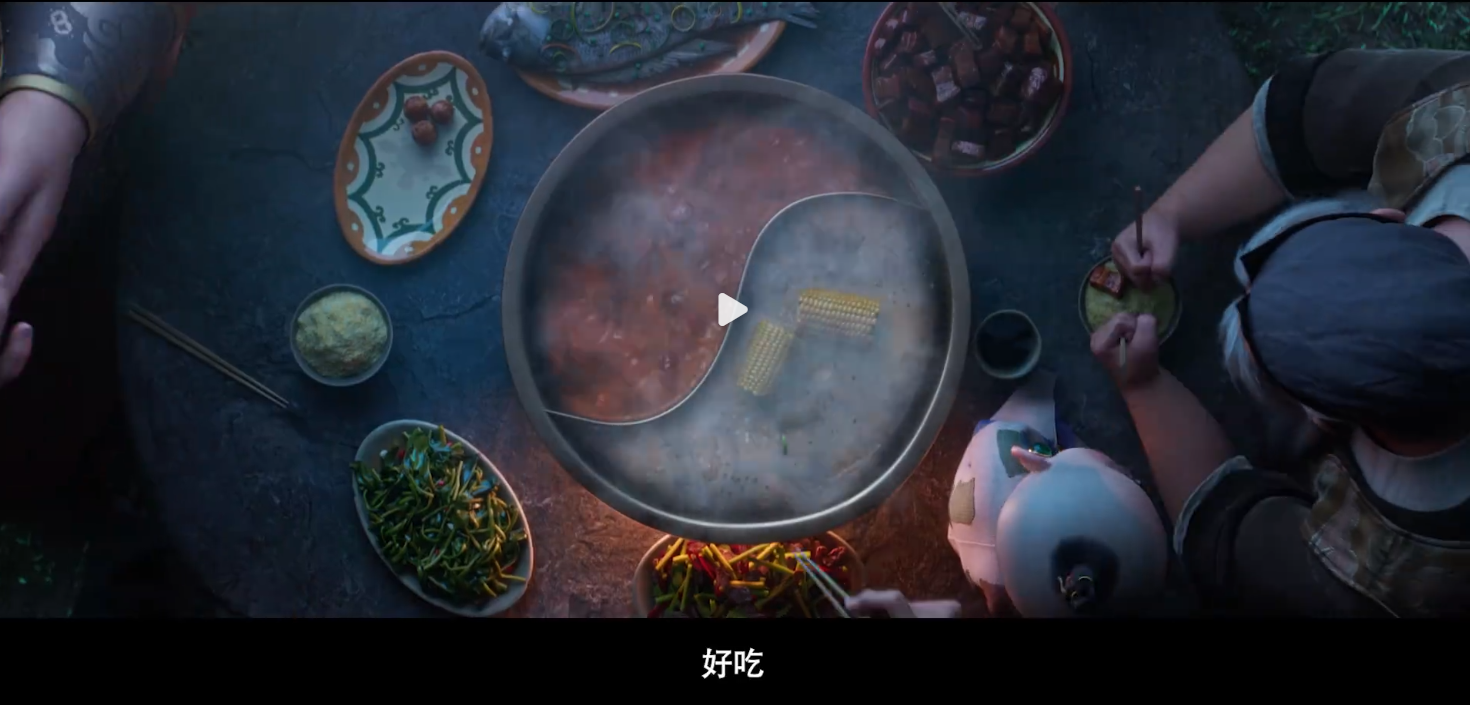
A still from the film All Wishes Come True
The scene in which the Eight Immortals gather for a late-night hotpot meal vividly captures Sichuan's unique sense of relaxed conviviality. Director Mou Zhengyang explained that his colleagues in Chengdu would always take him out for hotpot no matter how late it was, and the lively, down-to-earth atmosphere resonated perfectly with the film's tone, prompting him to include this sequence. Tieguai Li speaks exclusively in "Chuanpu" throughout the film, reflecting his legendary identity as a native of the ancient Ba region and the "Medicine King". Stories of him gathering herbs to heal the sick are widely told across Sichuan; for instance, the "Guaizi Bridge" in Danling County, Meishan, is said to have been named after his footprints during one of his healing journeys.
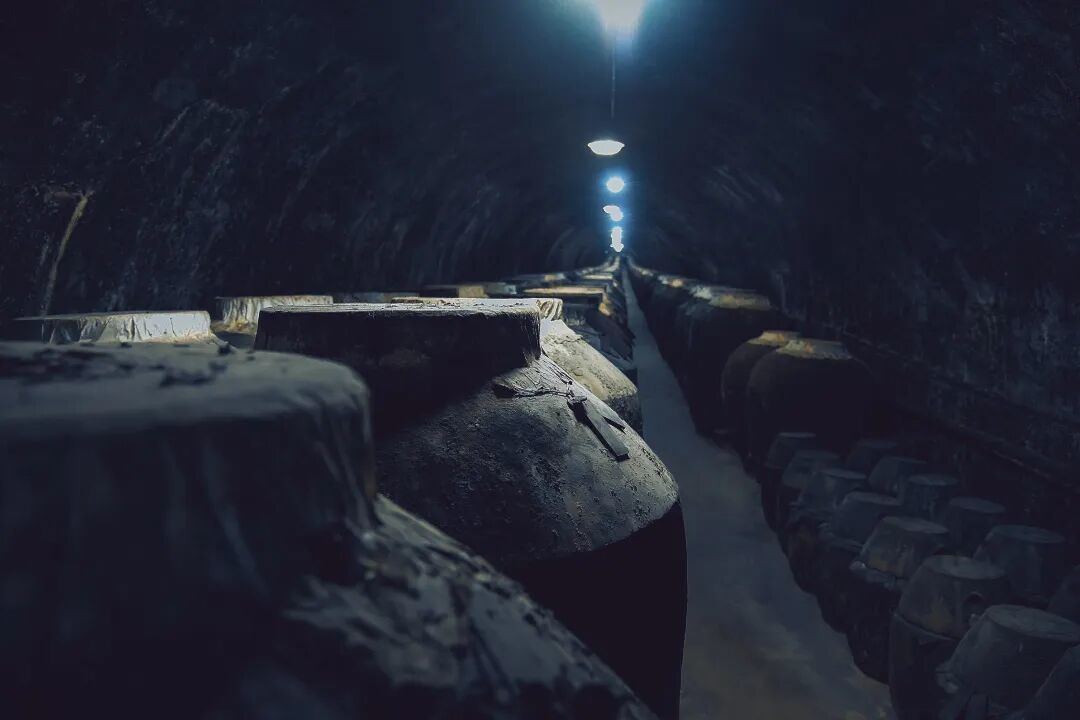
Chunyang Cave at Luzhou Laojiao Scenic Area
As one of the birthplaces of Taoism, Sichuan preserves numerous sites associated with the Eight Immortals. Luzhou features Mengxian Pavilion (also known as Dongbin Pavilion) and Chunyang Cave. The former houses a 4.3-meter-tall cliff-carved statue of Lv Dongbin, while the latter derives its name from Lv Dongbin's sobriquet "Chunyangzi" and legends of him drinking there.

Movie poster
Chengdu also bears many traces of the Eight Immortals. The "Er Xian Bridge" (Two Immortals Bridge) is said to be where Lü Dongbin and Han Xiangzi once rested before ascending to immortality. The Chunyang Temple in Xinjin, originally named "Lv Xian Ci" (Temple of Immortal Lv), was first built during the Xianfeng era of the Qing Dynasty and was designated a provincial-level cultural heritage site in 1991. Adjacent to Huaxing Zheng Street lies Chunyang Temple Street, which once hosted a thriving Chunyang Temple. Although the original structure has long since disappeared, the street name endures as a living memory of Eight Immortals culture within the city.
【本文部分内容由AI辅助生成,特此声明。The author(s) generated part of the content in this work with the assistance of artificial intelligence (AI), which is hereby declared.】
