
Sichuan's Yajiang Launches 'Trunk Coffee Festival' on G318 Highway
2026-07-21 10:50:32 by AIOS
In July, China National Highway 318—dubbed 'a must-drive route in one's lifetime'—entered its peak tourism season. Along the Yajiang County section in Garzê Tibetan Autonomous Prefecture, dozens of vehicles lined up neatly, forming a pop-up cluster of mini coffee stands and cultural-creative booths—the scene of Yajiang's inaugural Trunk Coffee Festival. The event aims to create new stopping points for self-driving tourists, inviting them to savor a unique 'matsutake coffee' under the high-altitude sun.
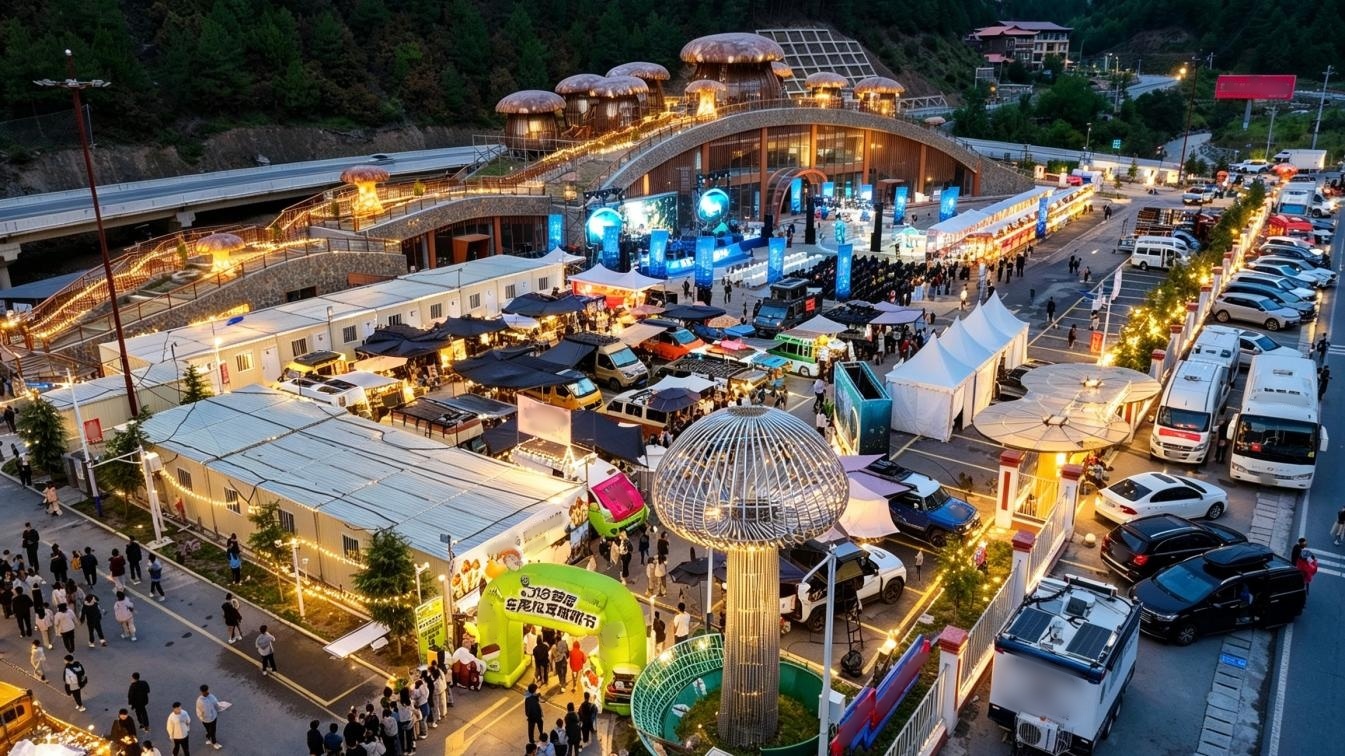
Yajiang Trunk Coffee Festival venue
'Matsutake coffee' uses highland yak milk as its base, infused with the fresh aroma of Yajiang matsutake mushrooms, and is served via both cold brew and pour-over methods. The interplay of fungal fragrance, champion-grade custom coffee beans, and highland honey creates a richly layered taste experience, quickly turning it into a must-try attraction for visitors. On-site data show that each coffee vehicle generated average daily revenues of RMB 1,000–2,000, underscoring genuine consumer demand within roadside travel contexts.
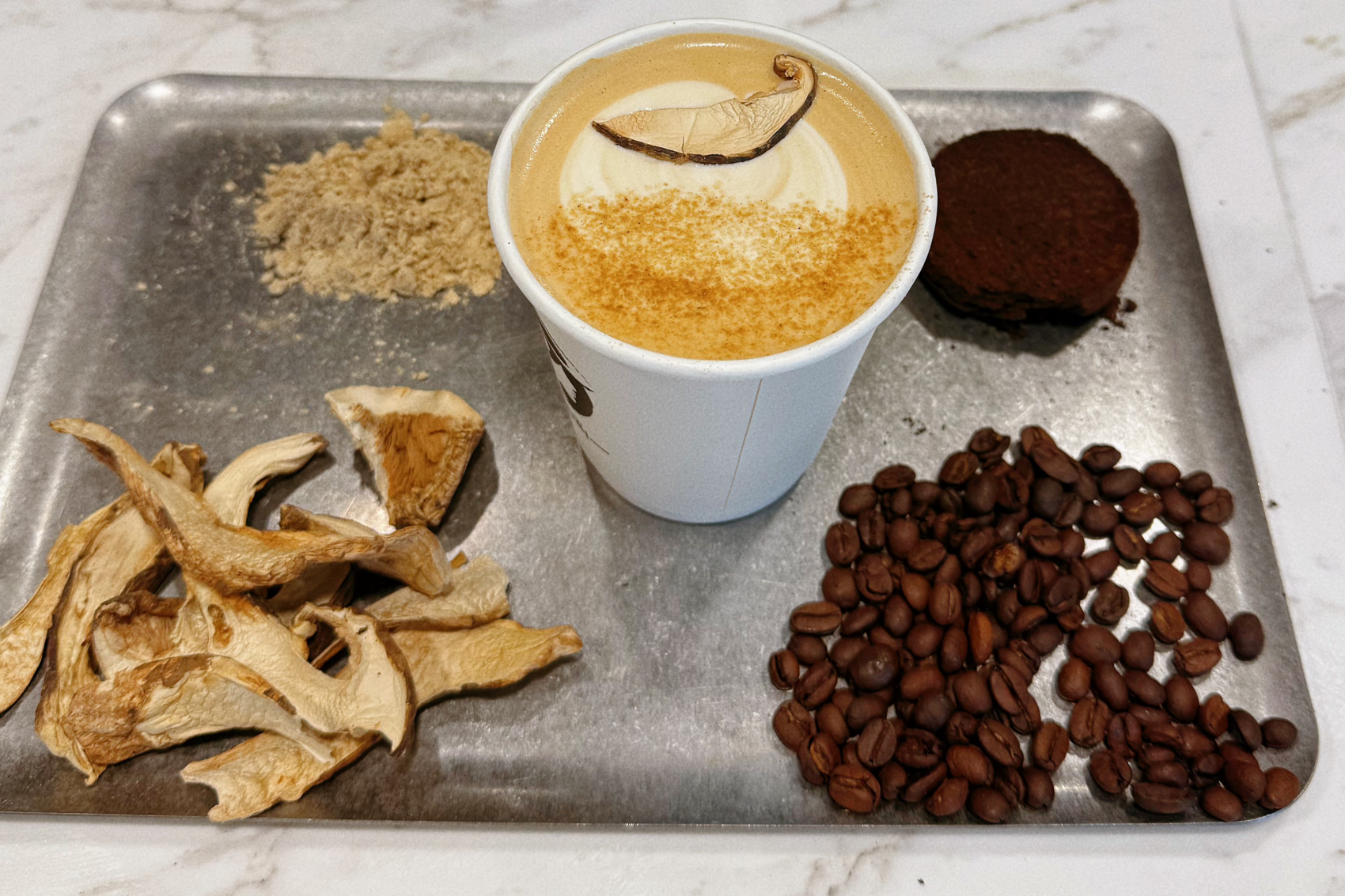
Yajiang's specialty 'matsutake coffee
This Trunk Coffee Festival is not merely an isolated market but a pilot initiative by Yajiang County to explore an integrated model of 'youth entrepreneurship training plus cultural-tourism practice'. Prior to the event, 30 local youths had just completed an entrepreneurship skills training program led by China's latte art champion, and this festival marked their first real-world application after graduation. These young entrepreneurs skillfully brewed coffee from their car trunks, sparking interest not only in a beverage but also in a new narrative of youth and entrepreneurship in this highland town.
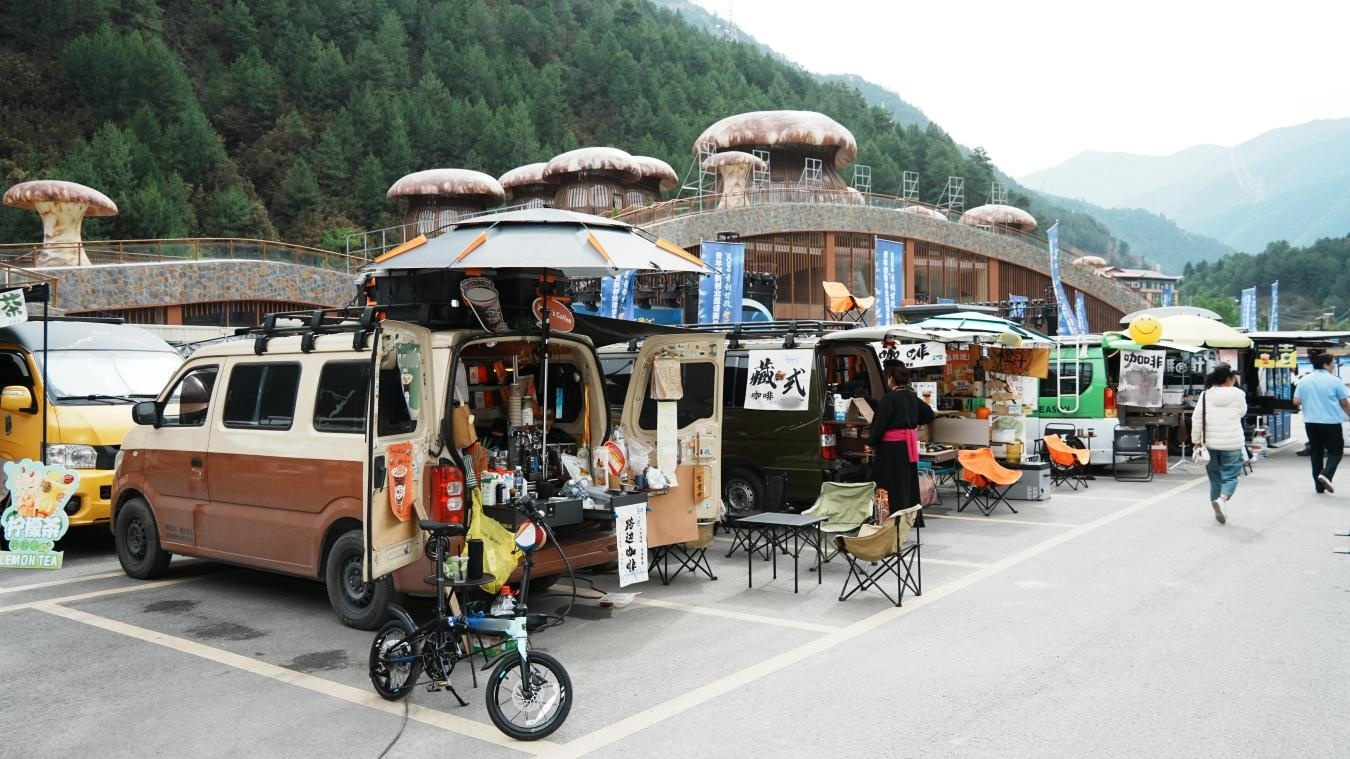
Yajiang Trunk Coffee Festival venue
With just a single car, vendors can set up shop—transplanting the urban café experience to the roadside of a highland highway and drawing tourists to stop, spend, and share on social media through locally distinctive products. This lightweight, low-barrier, and highly shareable approach is emerging as a concrete practice for fostering new forms of consumption and deepening the integration of culture and tourism in highland regions.
【本文部分内容由AI辅助生成,特此声明。The author(s) generated part of the content in this work with the assistance of artificial intelligence (AI), which is hereby declared.】
