
Sichuan's New Archaeology Hub Launches in Luzhou to Advance Regional Research
2026-07-20 10:36:11 by AIOS
On July 17, the Southern Sichuan Archaeological Workstation of the Sichuan Provincial Institute of Cultural Relics and Archaeology was inaugurated in Luzhou.
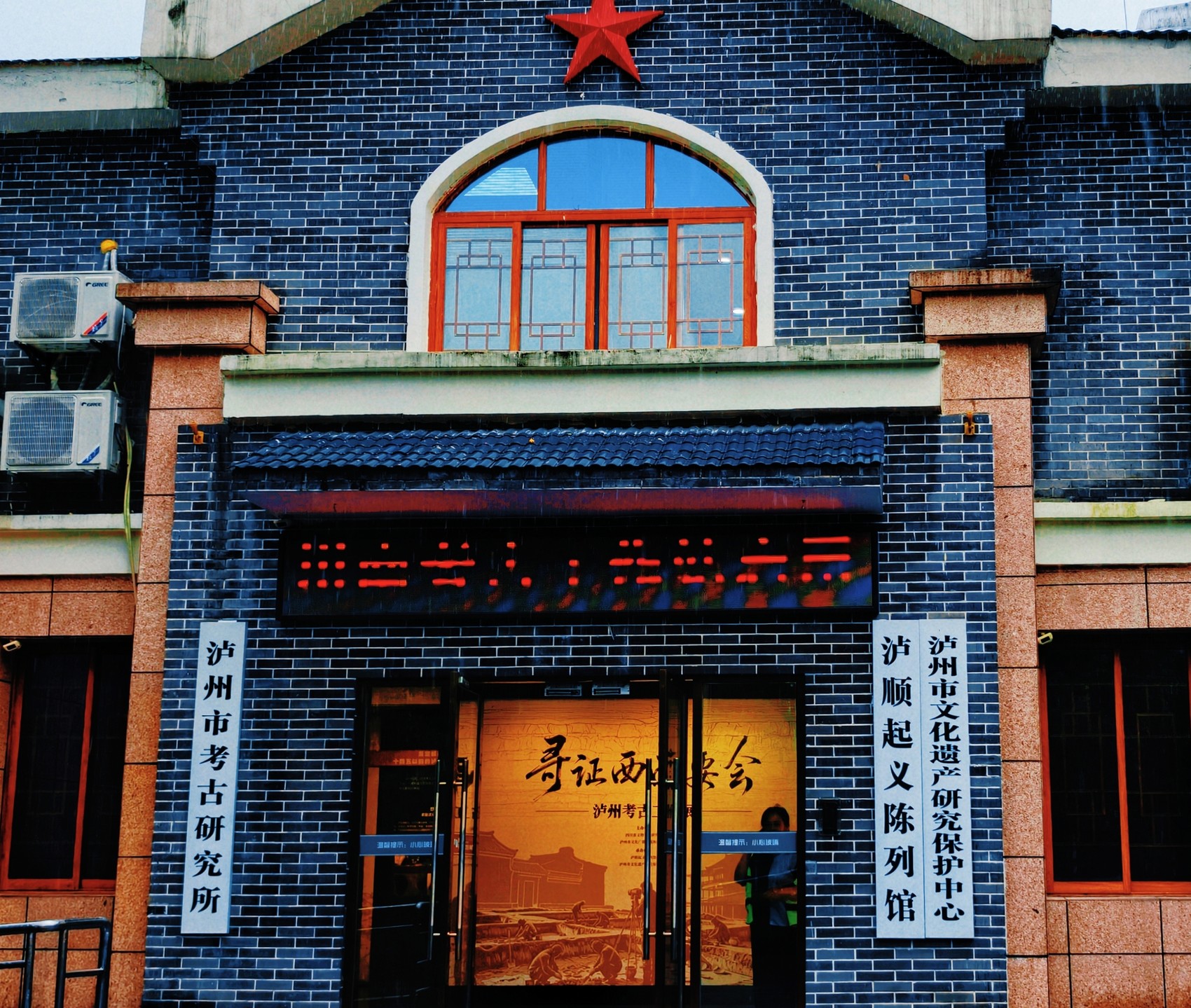
Southern Sichuan Archaeological Workstation
The establishment of this workstation marks a new phase of systematic and professional development for cultural relics and archaeological work in southern Sichuan. According to the co-construction agreement, the Sichuan Provincial Institute of Cultural Relics and Archaeology and Luzhou City will integrate provincial-level research capabilities with local support advantages. A workstation office and publicity center will be set up at the Luzhou Cultural Heritage Research and Protection Center, and a standardized archaeological base covering more than 4,000 square meters will be constructed in Hejiang County to systematically undertake functions including archaeological surveys, excavations, cultural relics protection, academic research, and archival compilation for the southern Sichuan region.
Using the workstation as a collaborative platform, both parties will prioritize archaeological surveys and excavations along the Sichuan sections of the Yangtze River and Chishui River. They will leverage major projects such as the Shenbi City site to conduct joint regional archaeological research with Chongqing, Guizhou, and Yunnan, accelerate the implementation of 'archaeology-first' policies, strengthen the cultivation of grassroots cultural heritage professionals, and transform archaeological findings into a vital source of cultural confidence.
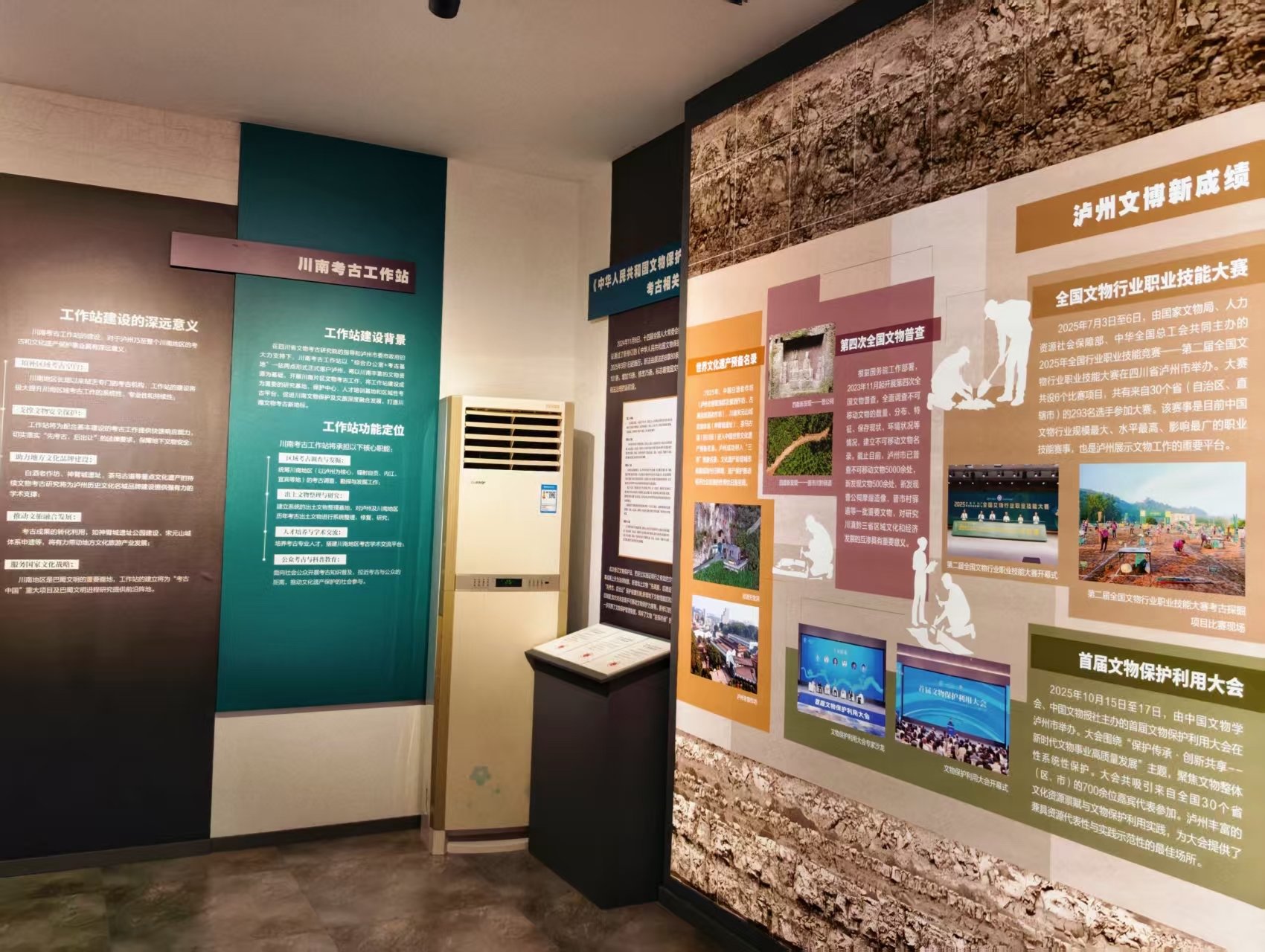
Chuannan Archaeological Workstation
Luzhou, located at the junction of Sichuan, Chongqing, Yunnan, and Guizhou, has a history of over 2,000 years as an administrative center. It is designated as a National Historical and Cultural City and was among the first cities in Sichuan recognized as a major hub for cultural relics. The city is home to more than 5,000 immovable cultural heritage sites, including 22 national key protected sites. Notable entries such as China's Traditional Baijiu Distilleries, the Song-Yuan Mountain Fortress Defense System of Sichuan and Chongqing (Shenbi City site), and the Sichuan section of the Ancient Tea-Horse Road have been included on China's Tentative List for World Cultural Heritage.
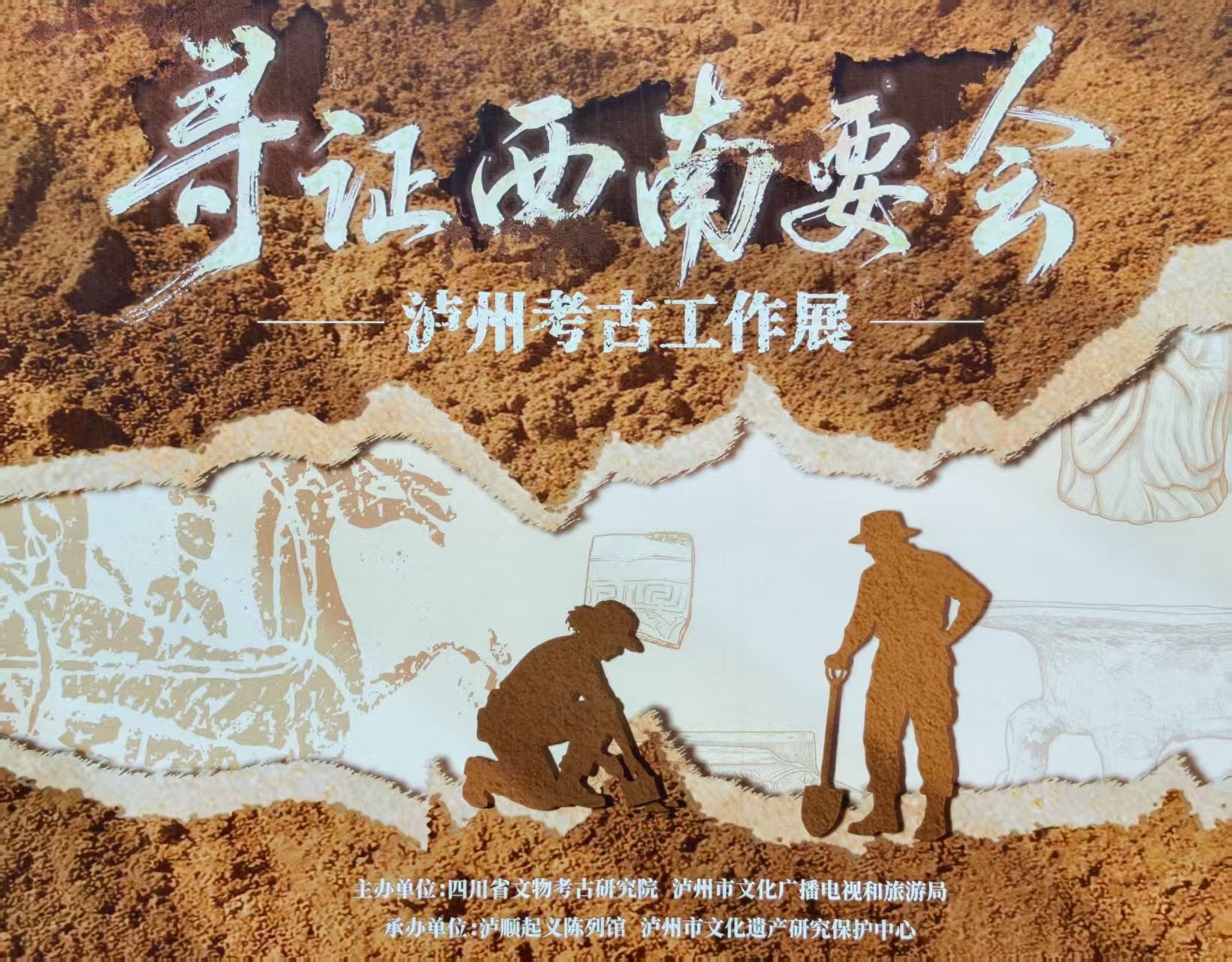
Exhibition at the Southern Sichuan Archaeological Workstation
In recent years, the Sichuan Provincial Institute of Cultural Relics and Archaeology has carried out more than 20 archaeological projects in Luzhou, uncovering remains dating from the Han dynasty through the Ming and Qing dynasties. In 2024, the Feishan Song Dynasty tomb in Longmatan was recognized as a significant new archaeological discovery in Sichuan and Chongqing, highlighting Luzhou's profound historical depth and potential as a key archaeological center in southern Sichuan.
Moving forward, the Southern Sichuan Archaeological Workstation will be rooted in Luzhou, serve southern Sichuan, and extend its influence to Chongqing, Guizhou, and Yunnan. It aims to deepen the interpretation of Yangtze River culture and Ba-Shu culture, and contribute to the high-quality development of cultural tourism integration and archaeological endeavors across the province.
【本文部分内容由AI辅助生成,特此声明。The author(s) generated part of the content in this work with the assistance of artificial intelligence (AI), which is hereby declared.】
