
Experts Share Opinions on the Golden Panda Awards
2026-05-21 15:13:41 by SICC
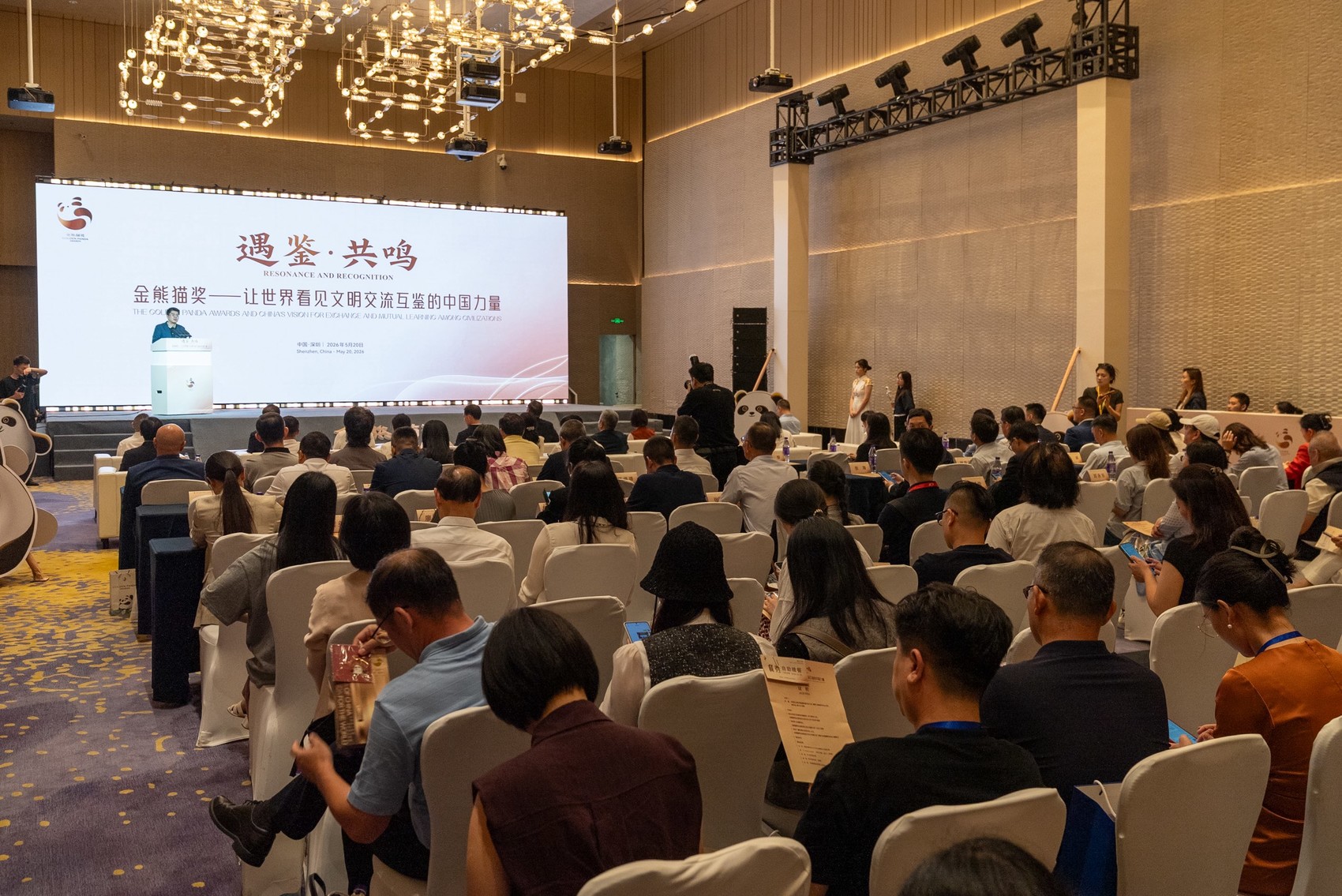
On the afternoon of May 20, the Golden Panda Awards promotion event “Resonance and Recognition – The Golden Panda Awards and China Vision for Exchange and Mutual Learning among Civilizations” was held in Shenzhen.
Having been successfully held twice in Chengdu, Sichuan, the Golden Panda Award is an international film and television culture award sponsored by the China Federation of Literary and Art Circles and the Sichuan Provincial People’s Government. With film and television as its carrier, the giant panda as its cultural symbol, and the vision of promoting a community with a shared future for mankind as its core purpose, how should we view the unique value and significance of the Golden Panda Award? How can we further enhance its visibility and influence? Experts, scholars, and film-TV professionals from home and abroad gathered together to exchange ideas.
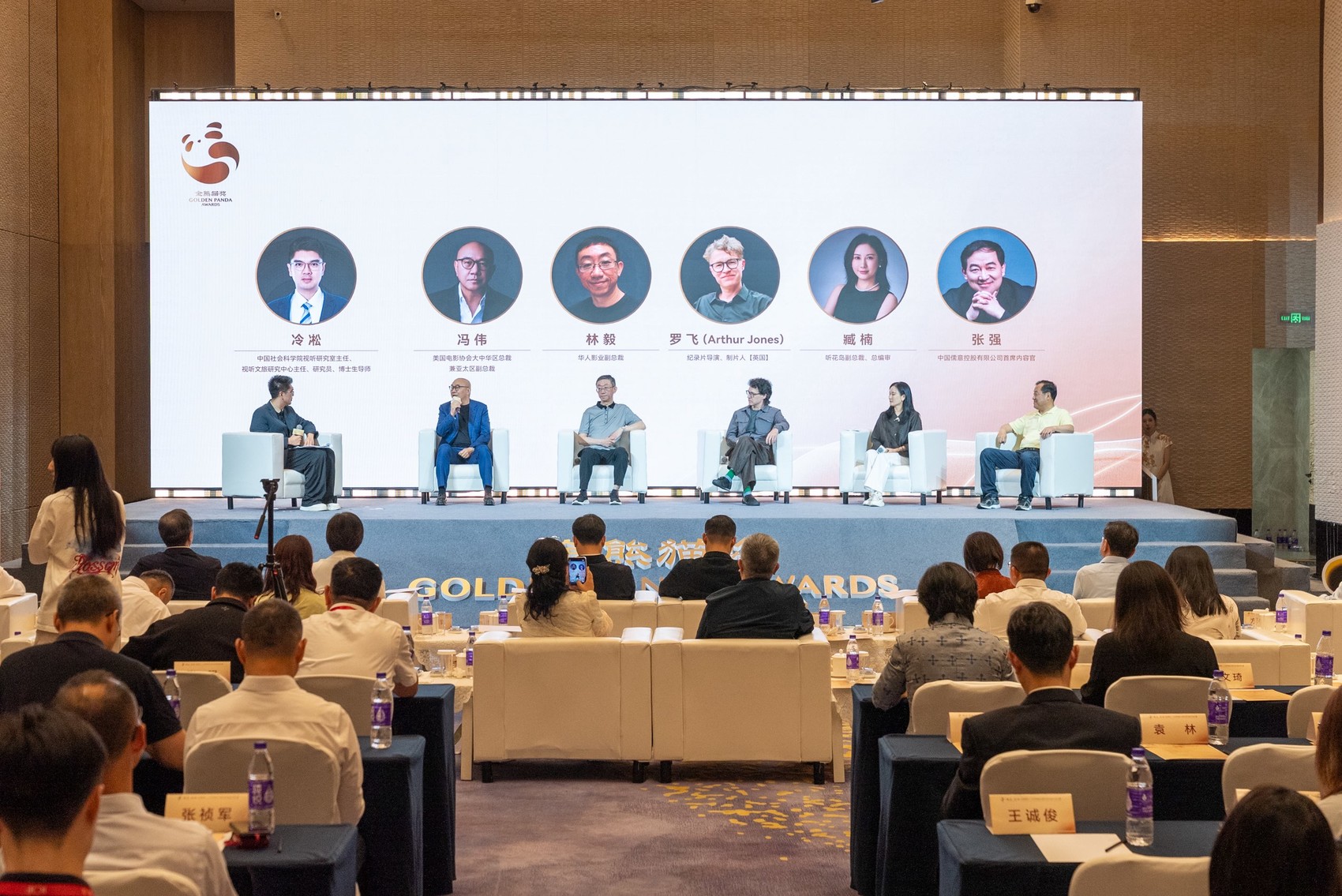
In recent years, micro-dramas have emerged as a highly watched product format in the industry, and their “going global” is also on the rise. “Personally, I think civilizational mutual learning is not just about grand narratives. It should also include small, fleeting, heartwarming connections,” said Zang Nan, Vice President and Chief Review Editor of Tinghuadao.
“I hope the next Golden Panda Award will add a short-drama category or a dedicated forum for short dramas,” Zang said. The former would encourage high-quality teams, quality content, and emerging talent, giving them authoritative recognition; the latter would bring together top creators from home and abroad to exchange ideas and collaborate on topics such as creation, going global, and technology.
When it comes to Sino-foreign film and TV cultural exchange, Feng Wei, President of the Motion Picture Association’s Greater China region and Vice President for Asia-Pacific, is an indispensable figure. Over the years, he has initiated and promoted many exchange and cooperation projects between Chinese and American film industries, such as the “China-U.S. Talent Exchange Program” from 2013 to 2017.
“The Golden Panda Award must highlight internationality, inclusiveness, and participation. It should make experts, scholars, filmmakers, and TV professionals truly feel that it is an inclusive, fair, and all-embracing stage,” Feng said. He noted that the Golden Panda is a unique award, highly integrated with film and television, and can be built into the “Oscar” of the industry.
Lin Yi, Vice President of Huaren Pictures, further suggested that the Golden Panda Award should be developed into a “quality certification” trusted by international buyers and distributors. “If a good work wins an award at the Golden Panda, that serves as a strong endorsement,” he said. “When such works are distributed internationally, buyers, operators, and platforms will recognize that they are of international standard.”
