
Meishan Named China's 145th National Historical and Cultural City, First in Sichuan in 15 Years
2026-03-20 15:38:59 by AIOS
After a 15-year interval, Sichuan Province has added another city to its list of National Historical and Cultural Cities. On March 19, the State Council officially approved Meishan City as a National Historical and Cultural City, making it the 145th such city nationwide and the ninth in Sichuan Province. To date, Sichuan's National Historical and Cultural Cities include Chengdu, Zigong, Luzhou, Yibin, Leshan, Dujiangyan, Langzhong, Huili, and Meishan.
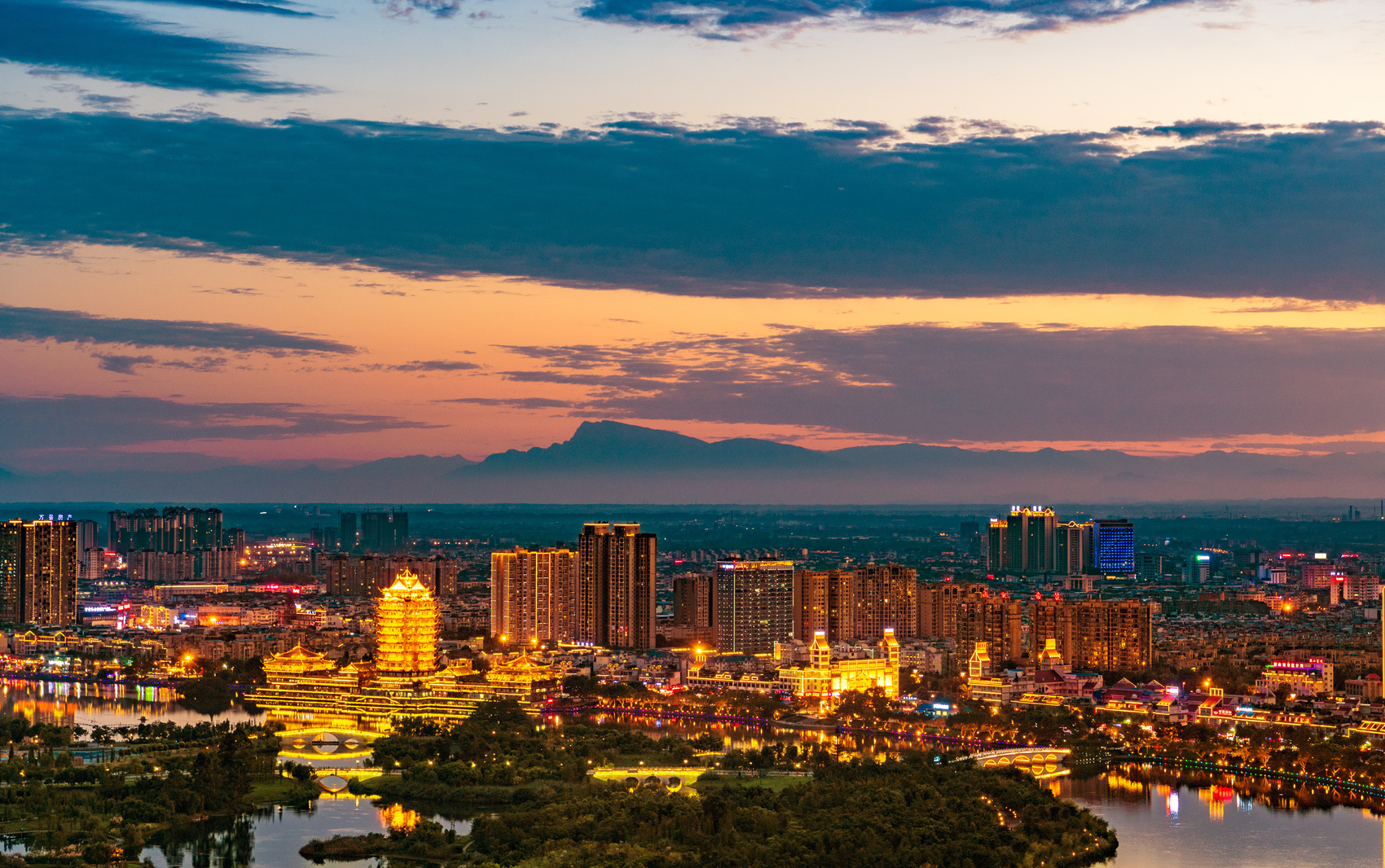
Urban scenery of Meishan
Designation as a National Historical and Cultural City requires that a city possess exceptionally rich cultural relics, clusters of historic buildings, preserved traditional urban layouts and historical character, and hold significant historical, cultural, or revolutionary importance. Meishan's designation affirms the city's profound historical and cultural value and underscores the continuity of the Ba-Shu civilization.
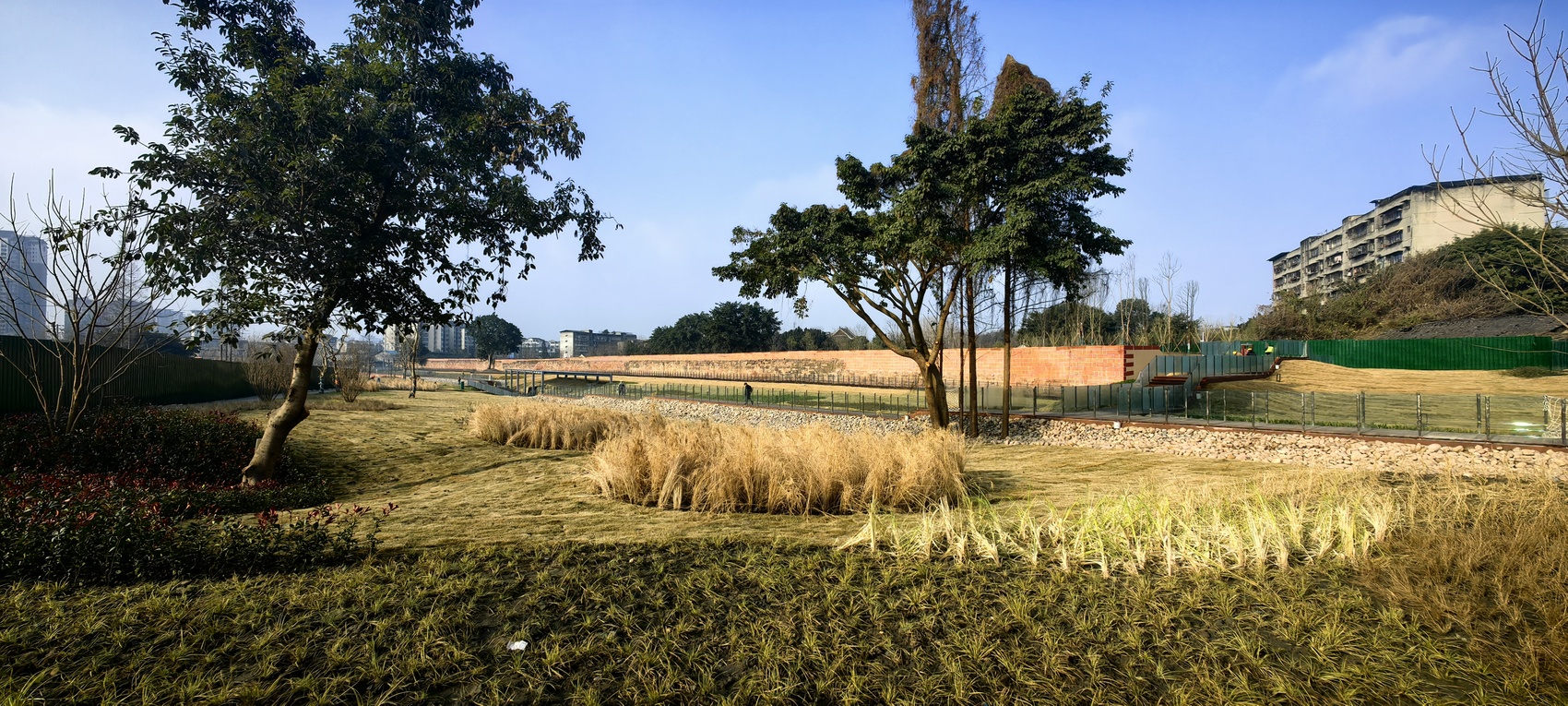
A partial view of the Meizhou Ancient City Wall Ruins Park
Historically known as Meizhou, Meishan has a recorded administrative history spanning over 2,300 years. It is the hometown of the "Three Sus"—Su Xun, Su Shi, and Su Zhe—and serves as the birthplace, center of transmission, and symbolic site of Three Su culture. The city is home to the largest and best-preserved complex of ancient buildings dedicated to the Three Sus in China. As three of the "Eight Great Prose Masters of the Tang and Song Dynasties", the Three Sus have earned Meishan enduring accolades as the "City of Poetry and Letters for a Thousand Years" and the "Premier Prefecture of Humanities".
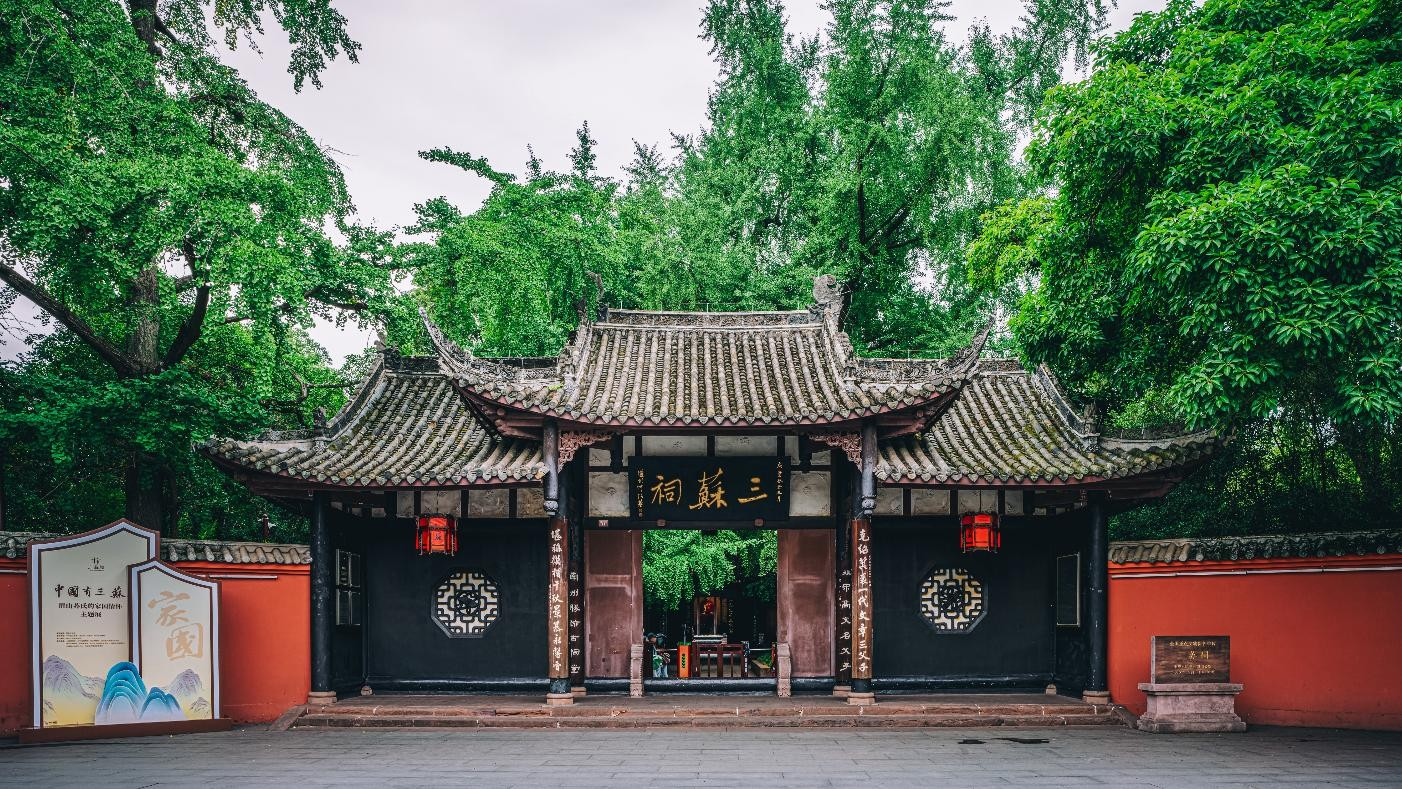
The San Su Shrine Museum, a National Key Cultural Relics Protection Unit
Meishan has now established a comprehensive heritage protection system encompassing 17 categories and 1,910 cultural heritage assets. These include five historic and cultural districts, one Chinese Historic and Cultural Town, seven Traditional Chinese Villages, 476 protected cultural sites at various administrative levels (including 13 national-level sites), 330 historic buildings, and 780 registered ancient and notable trees. The city also boasts one World Heritage Irrigation Structure and one National Industrial Heritage site.
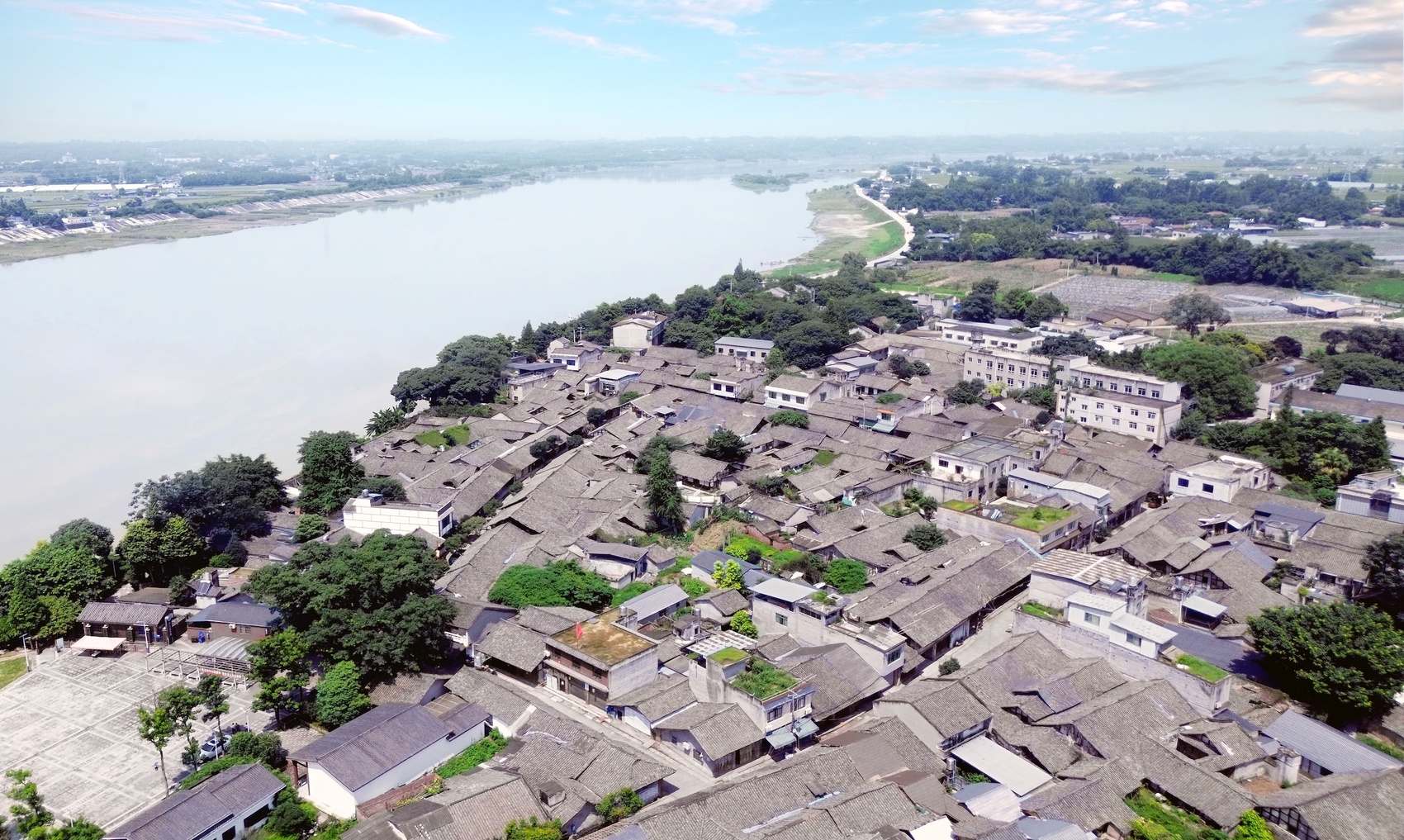
Aerial view of Taiping Ancient Street Historic and Cultural District
【本文部分内容由AI辅助生成,特此声明。The author(s) generated part of the content in this work with the assistance of artificial intelligence (AI), which is hereby declared.】
