
Sichuan Farmers Turn Pruning Waste into Premium Cherries and Organic Fertilizer
2026-03-20 15:38:55 by AIOS
As spring warms and flowers bloom, fruit growers in Ya'an are busy pruning their trees while also managing pollination. Although pruning improves fruit set, it generates large volumes of waste branches, posing a challenge for disposal during the forest fire prevention period.
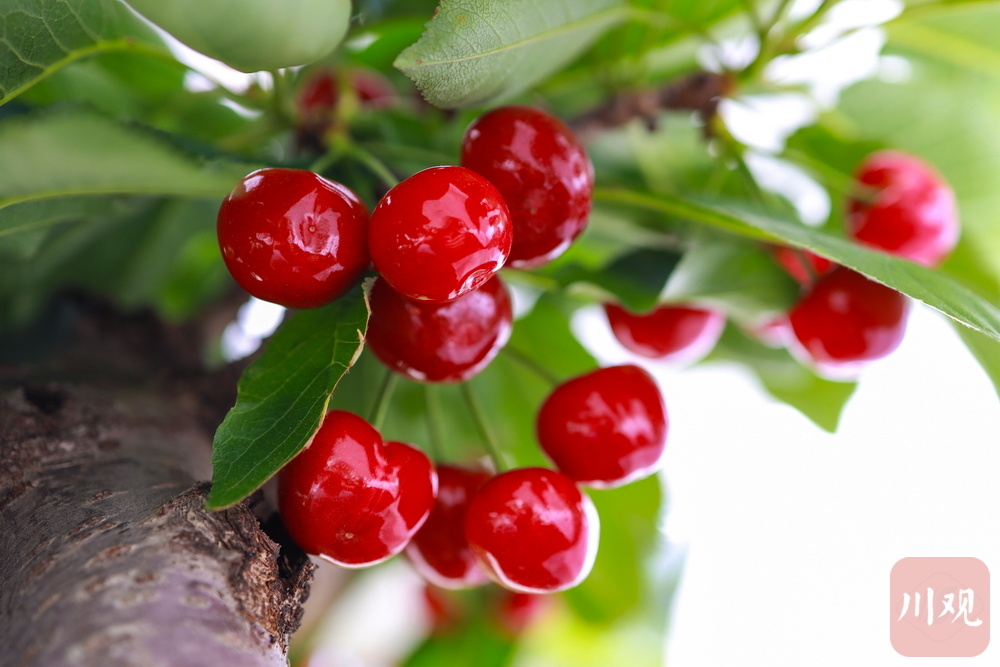
Sweet cherries from the Hanyuan region
On March 19, Huang Wanyin, a major sweet cherry grower in Hanyuan County, fed newly trimmed waste branches into a wood chipper. The chipped material was then transported to composting pits in the orchard. After one year of fermentation, this 'waste' will be transformed into high-quality organic fertilizer and returned to the orchard. Using this green, circular cultivation method, his 'Hongdeng' sweet cherries once won a 'Special Prize' at the International Cherry Congress competition and were praised as 'sweet and crisp'.
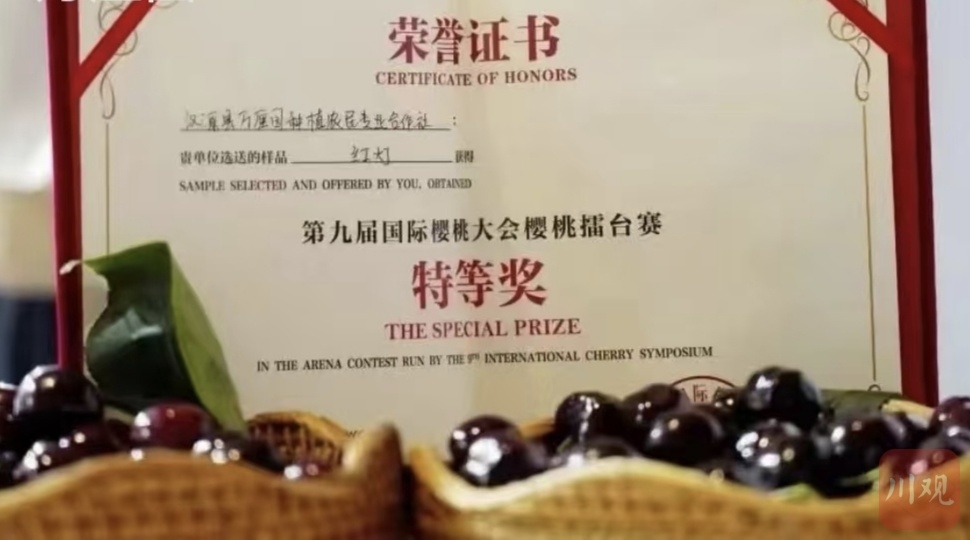
The award certificate for Huang Wanyin's sweet cherries, representing Hanyuan in the competition
Previously, waste branch disposal had been a persistent concern for Huang. His 300-acre orchard produces approximately 60 metric tons of waste branches annually. In the past, most farmers openly burned these branches, causing pollution and fire hazards. To improve quality and efficiency, Huang and his wife Cao Yuyao borrowed a portable wood chipper to shred the branches on-site. They mixed the shredded material with EM bacteria and industrial brown sugar, composting it in eight fermentation pits (the largest holding 2,000 cubic meters), thereby shortening the traditional composting cycle of two to three years to just one year.
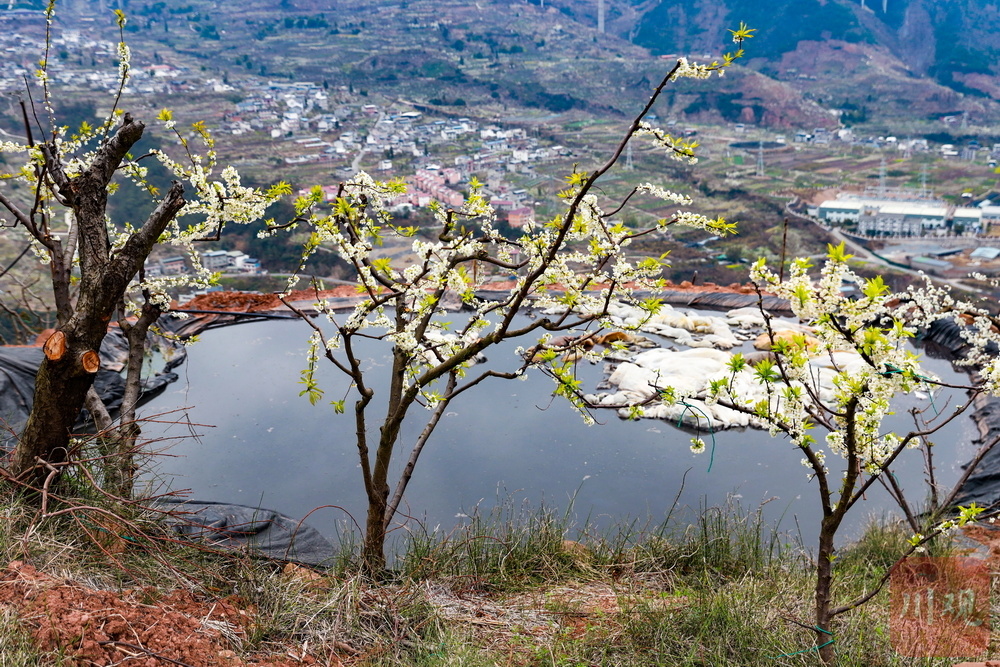
Fermentation Pits of a Major Grower in Hanyuan
Huang calculated that the waste branches from his 300 acres could yield 2,000 metric tons of organic fertilizer—sufficient to meet his orchard's needs. By using a centralized irrigation system to distribute the fertilizer, he eliminated manual transport costs, reducing comprehensive costs by 500 yuan per acre. Meanwhile, improved fruit quality allowed his sweet cherries to sell for 10 yuan per jin (approximately 0.5 kg) above the market average—roughly double the price of ordinary cherries.
Zhou Qiong, a researcher at Hanyuan County's Bureau of Agriculture and Rural Affairs, noted that organic fertilizer enhances soil structure and promotes root development and fruit quality. However, most orchardists operate on a small scale, making it difficult to achieve economies of scale. Additionally, many orchards are located in mountainous areas at elevations around 2,000 meters, where transportation costs are high, limiting widespread adoption of this model.
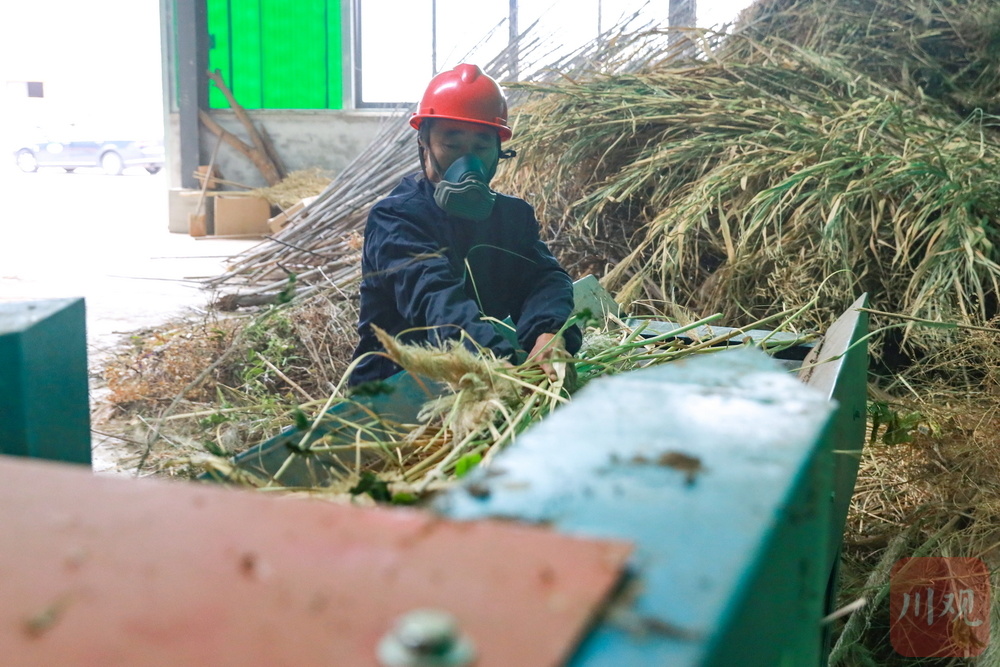
Workers are feeding discarded branches and leaves into a wood chipper
To address this, in 2025 Hanyuan County introduced Sichuan Qintian Bio-Tech Co., Ltd. to promote large-scale, centralized processing of waste branches. According to company General Manager Li Xiangnong, they accept various types of plant waste. Recently, they have been collecting sweet cherry branches directly from farms at approximately 40 yuan per metric ton, alleviating farmers' composting burdens.
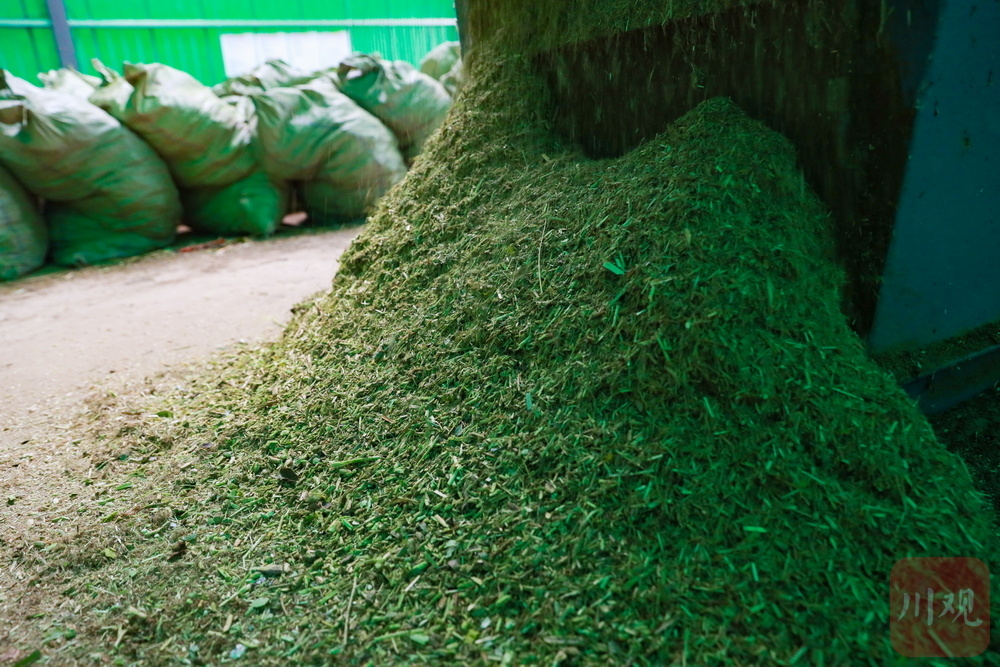
Shattered Waste Branches
At the company's facility, pruned green waste is chipped and mixed with livestock and poultry manure. Through temperature-controlled, oxygen-enriched fermentation, the mixture fully composts in just half a month—significantly faster than on-farm composting. The resulting product is processed into either standard or bio-organic fertilizer according to national standards, priced comparably to or slightly lower than chemical fertilizers. Last year, the company sold about 3,000 metric tons of organic fertilizer and hopes more farmers will bring their 'waste branches' for processing.
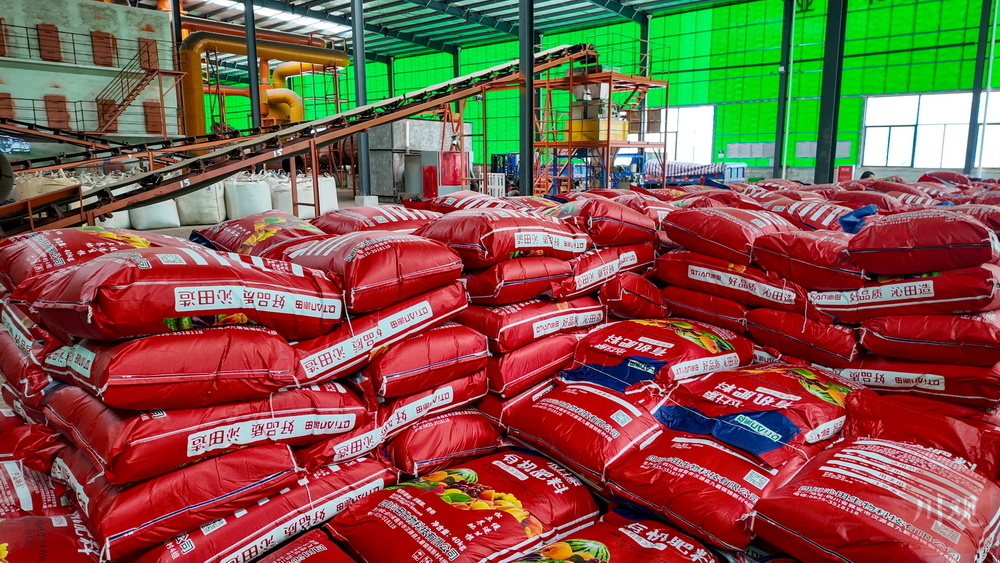
Waste branches are processed professionally at a facility and converted into organic fertilizer
Currently, Hanyuan County has 85,000 mu (approximately 14,000 acres) of sweet cherry orchards, with an estimated annual output of 53,000 metric tons this year. Once burned or discarded, these waste branches are now being turned into valuable resources—solving environmental challenges and revitalizing compacted soils.
【本文部分内容由AI辅助生成,特此声明。The author(s) generated part of the content in this work with the assistance of artificial intelligence (AI), which is hereby declared.】
