
Sichuan's Xiangcheng Tibetan Chicken Makes a Comeback: From Near-Extinction to Branded Industry
2026-02-11 16:04:18 by AIOS
Recently, the Yangguang Dongsong Breeding and Farming Farmers' Professional Cooperative in Dongsong Township, Xiangcheng County, Garze Tibetan Autonomous Prefecture, is upgrading the breeding environment for Xiangcheng Tibetan chickens. After the renovation, each chicken will have no less than 2 square meters of activity space and will be allowed to forage freely on hillsides for at least four hours per day.
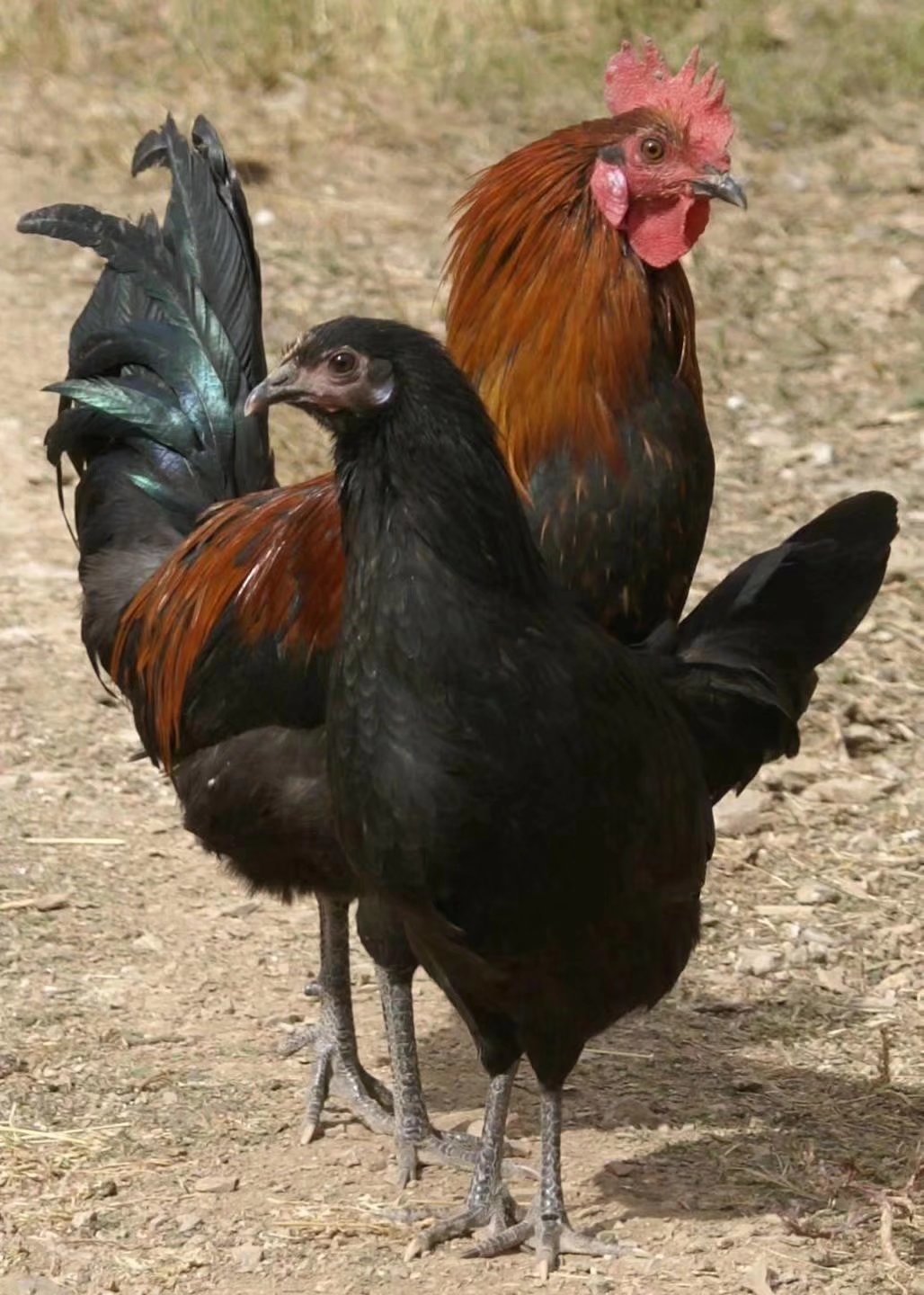
Xiangcheng Tibetan Chicken
"Tibetan chickens drink natural mountain spring water, and their feed includes apples from Xiangcheng," said Tashi Randeng, head of the cooperative, adding that the locality is implementing the "Five Standardization Measures"—improved breeds, facility-based farming, institutionalized disease prevention, resource utilization of manure, and branded products. Technology-driven enhancements have boosted production efficiency by over 40% and reduced mortality rates by nearly 20%.
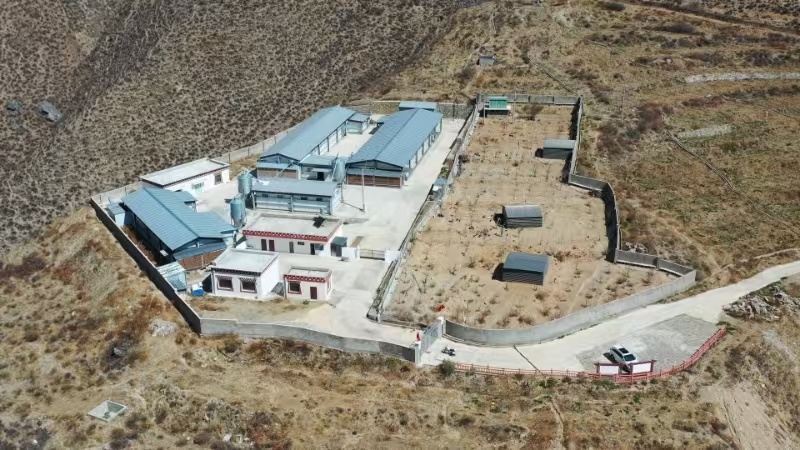
Xiangcheng County Yangguang Dongsong Crop and Livestock Farmers' Specialized Cooperative
Xiangcheng Tibetan chicken is a nationally protected geographical indication product and has been listed in the National Catalogue of Protected Livestock and Poultry Genetic Resources. Known for its firm texture and rich flavor, it sells for more than 80% higher than ordinary chicken, and its eggs are also in high demand.
However, conserving this superior breed is challenging. "Live conservation is like guarding a burning candle—it carries risks of generational loss and extinction," said Xie Ying, a senior veterinary specialist at the County Bureau of Agriculture, Animal Husbandry, Rural Affairs, Water Conservancy, and Science and Technology. She noted that the breed was once on the brink of extinction due to declining numbers of local farmers raising it.
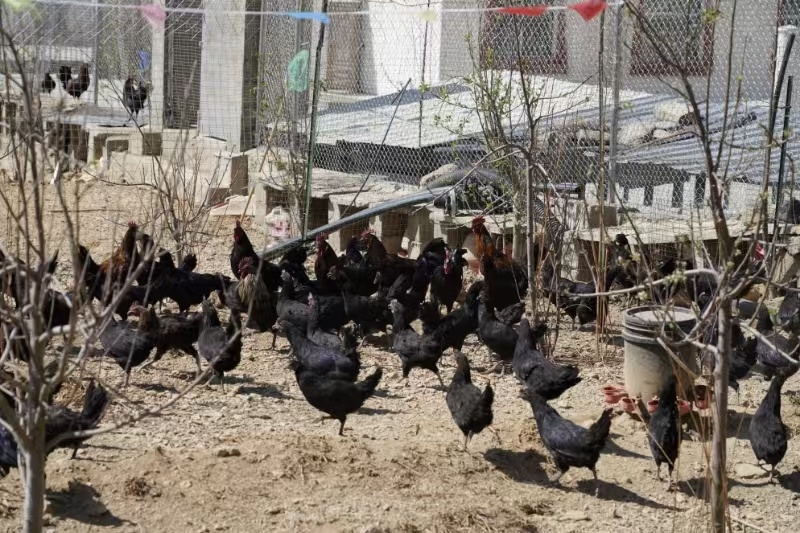
Xiangcheng Tibetan Chicken
A turning point came in October last year, when a Sichuan-based research team successfully isolated primordial germ cells (PGCs) from Xiangcheng Tibetan chickens for the first time, providing a "biological insurance" for the breed. "Even if live specimens disappear in the future, we can still 'resurrect' the breed using cryopreserved PGCs." she explained.
Moving forward, Xiangcheng County plans to establish a three-dimensional conservation system combining "live conservation farms, gene and cell banks, and geographical indication protection" to safeguard this valuable poultry genetic resource.
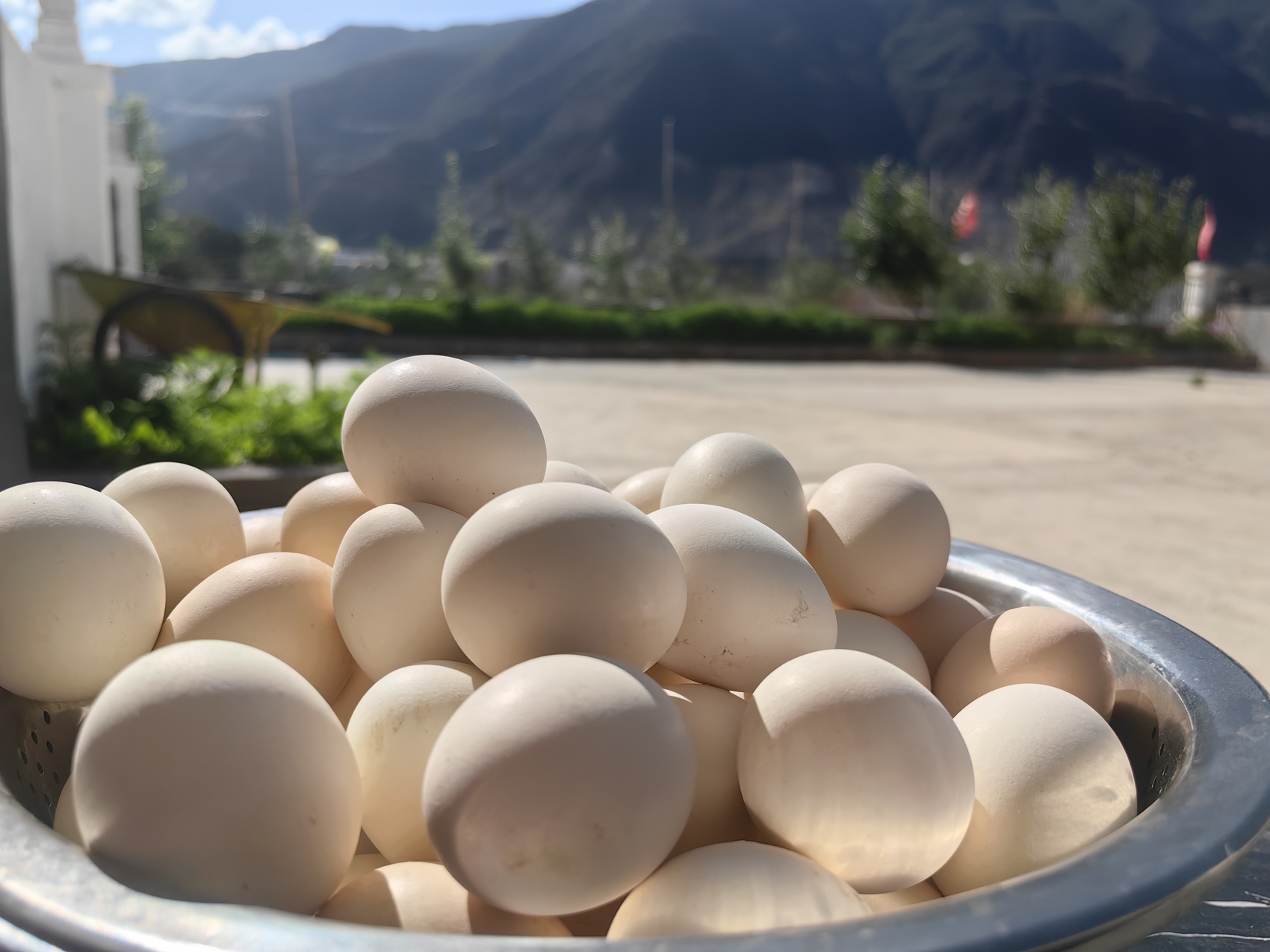
Xiangcheng Tibetan Chicken Eggs
While conserving germplasm resources, the county is also expanding its industrial chain by promoting the "leading enterprise + cooperative + farmer" model, through which farmers receive both land rental income and dividends. Dongsong Township has further innovated with a "cross-village joint development" approach, integrating resources from five villages to form a large-scale breeding cluster.
In 2025, the county allocated 168 million yuan to construct 11 key projects, including an expanded breeding base for Tibetan chickens, and held promotional events in Inner Mongolia and Beijing, successfully opening markets in both regions.
By the end of 2025, the county's Tibetan chicken population reached 13,800 birds, significantly boosting incomes for numerous local households. "From the brink of extinction to industrial revitalization, the Xiangcheng Tibetan chicken has finally 'made its mark'." said Weng Qiu, Director of the County Bureau of Agriculture, Animal Husbandry, Rural Affairs, Water Conservancy, and Science and Technology. He added that this year, the county will further expand production scale, deepen collaboration with research institutions, address gaps in slaughter processing and cold-chain logistics, and advance the industry toward standardization and branding.
【本文部分内容由AI辅助生成,特此声明。The author(s) generated part of the content in this work with the assistance of artificial intelligence (AI), which is hereby declared.】
