
Sichuan's First Early Spring Tea Harvest Begins a Week Early Amid High Demand
2026-01-16 10:44:27 by AIOS
On the morning of January 15, as dawn broke, the early tea plantation in Changsha Village, Yile Town, Jiang'an County, Yibin City, was already bustling with activity. More than 60 villagers, each carrying a bamboo basket slung diagonally across their backs, skillfully plucked the tender buds amid the morning mist, quickly filling the bottoms of their baskets with emerald-green tea shoots.
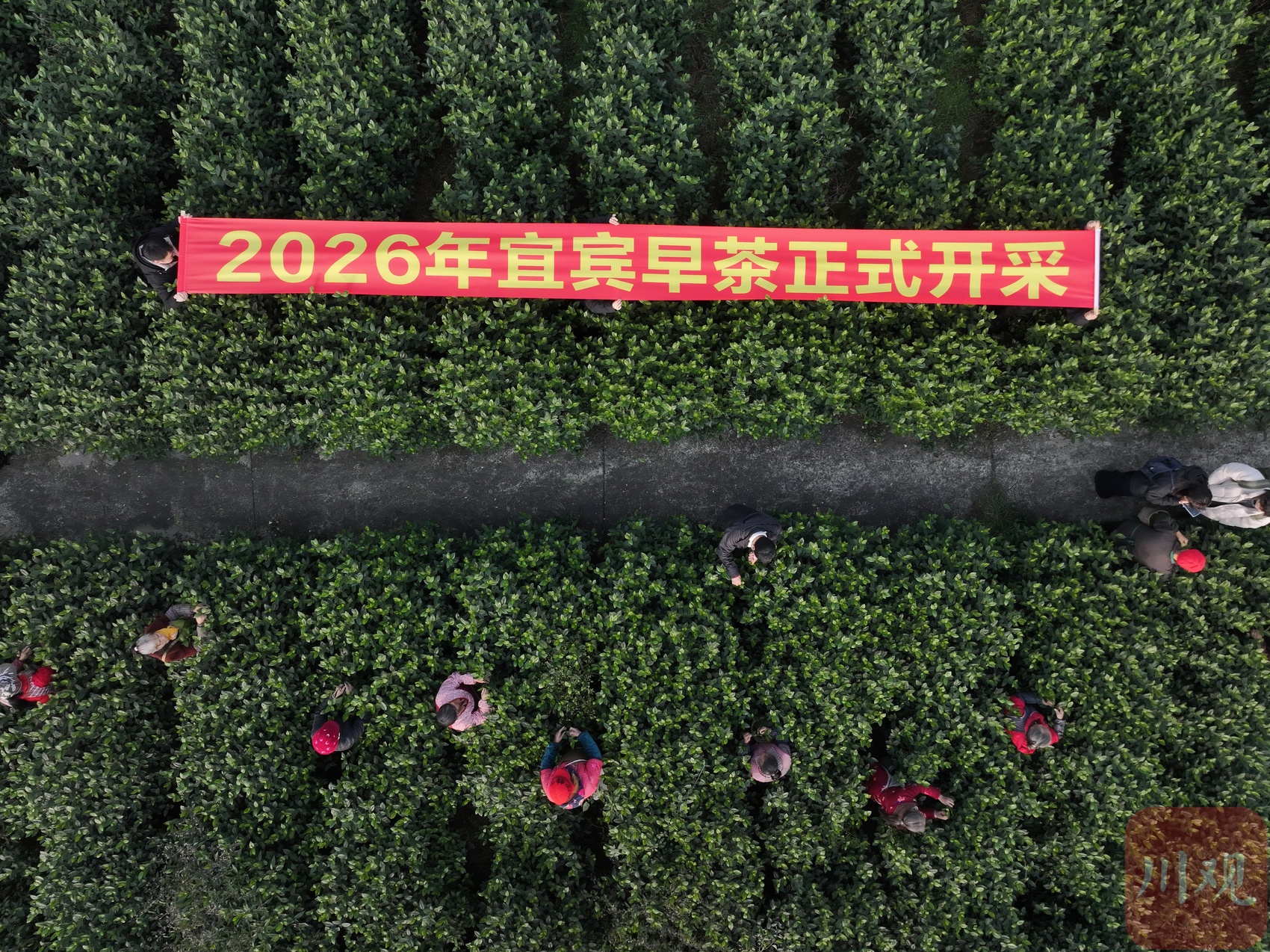
Tea farmers harvesting early spring tea at an early tea plantation
Located in the easternmost part of Yibin, the Jiang'an River Valley benefits from warm, moist winds carried by the Yangtze River, causing spring to arrive earlier here than in other regions at the same latitude and enabling this year's first batch of early tea in Sichuan Province. "This year's warmer weather brought the harvest forward by one week compared to previous years," said Luo Jiakui, deputy general manager of Jiang'an Zhudu Tea Industry Co., Ltd., overseeing operations in the tea field. The current batch had already been pre-ordered; as soon as he posted about it on social media, calls from regular customers poured in.
Yibin's early tea is harvested from the first tender buds that emerge after winter dormancy. During the cold season, tea plants accumulate nutrients, converting nitrogen into theanine, which imparts the distinctive fresh and mellow flavor characteristic of spring tea. This year, premium early tea is retailing at approximately 3,600 yuan per jin (about 500 grams), consistent with previous years. The first batch has already received orders totaling around 1,000 jin from regions such as Jiangsu, Zhejiang, and Shanghai, far exceeding available supply.
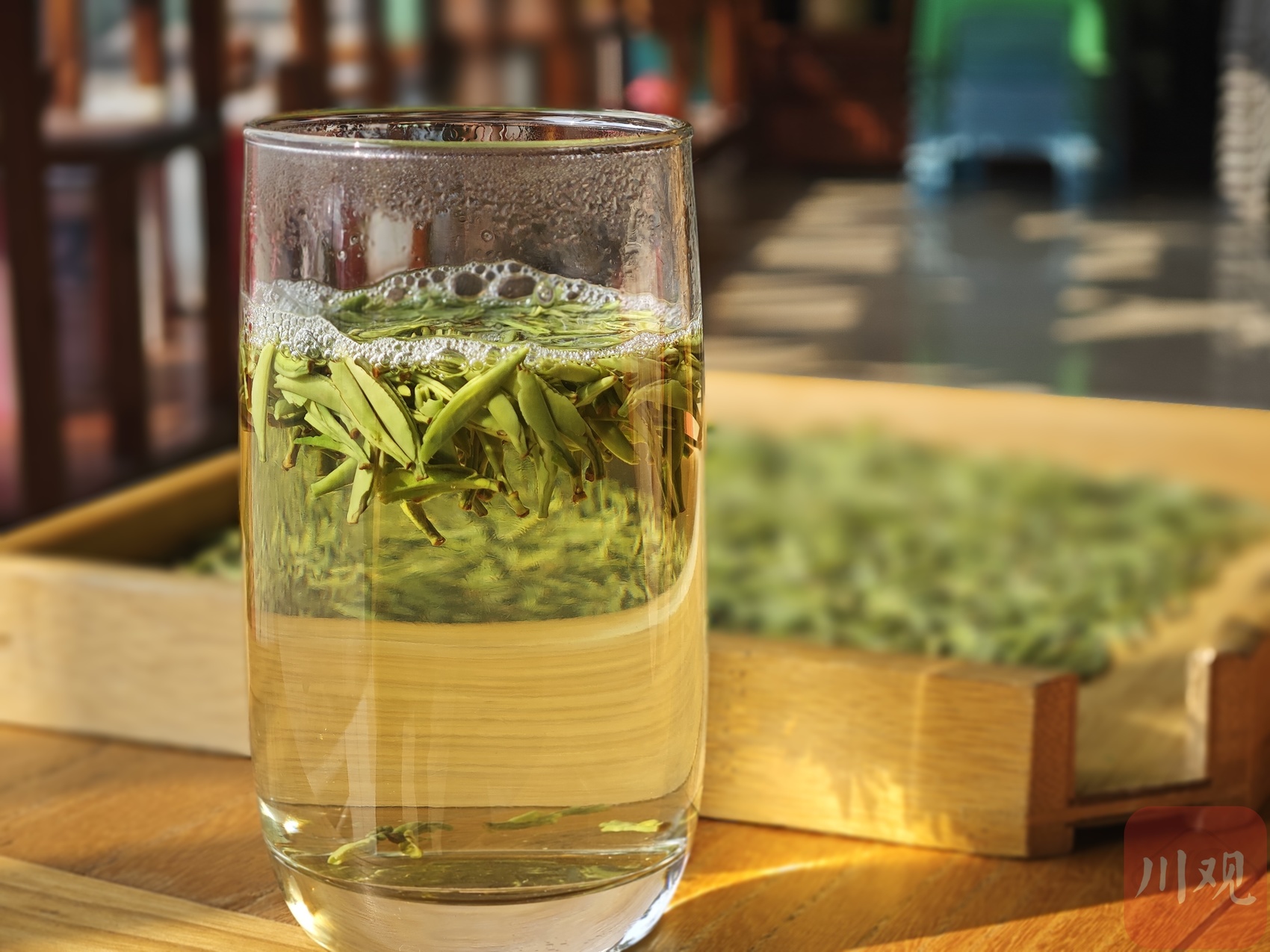
The first batch of early spring tea in Sichuan this year
Luo Jiakui's approach to early tea emphasizes speed and precision. If buds are not picked promptly after emergence, they will unfurl into leaves and age within days, causing a sharp decline in amino acid content and market value. He organized a team of over 100 experienced local farmers well in advance—workers intimately familiar with the growth patterns of tea buds. His management practices are equally meticulous: winter pruning is moved up to July each year, granting tea bushes nearly three additional months of growth; weeding is done entirely by hand; surrounding trees are preserved to attract birds that naturally protect the groves; and solar-powered insect traps are activated at night, effectively eliminating pests and diseases.
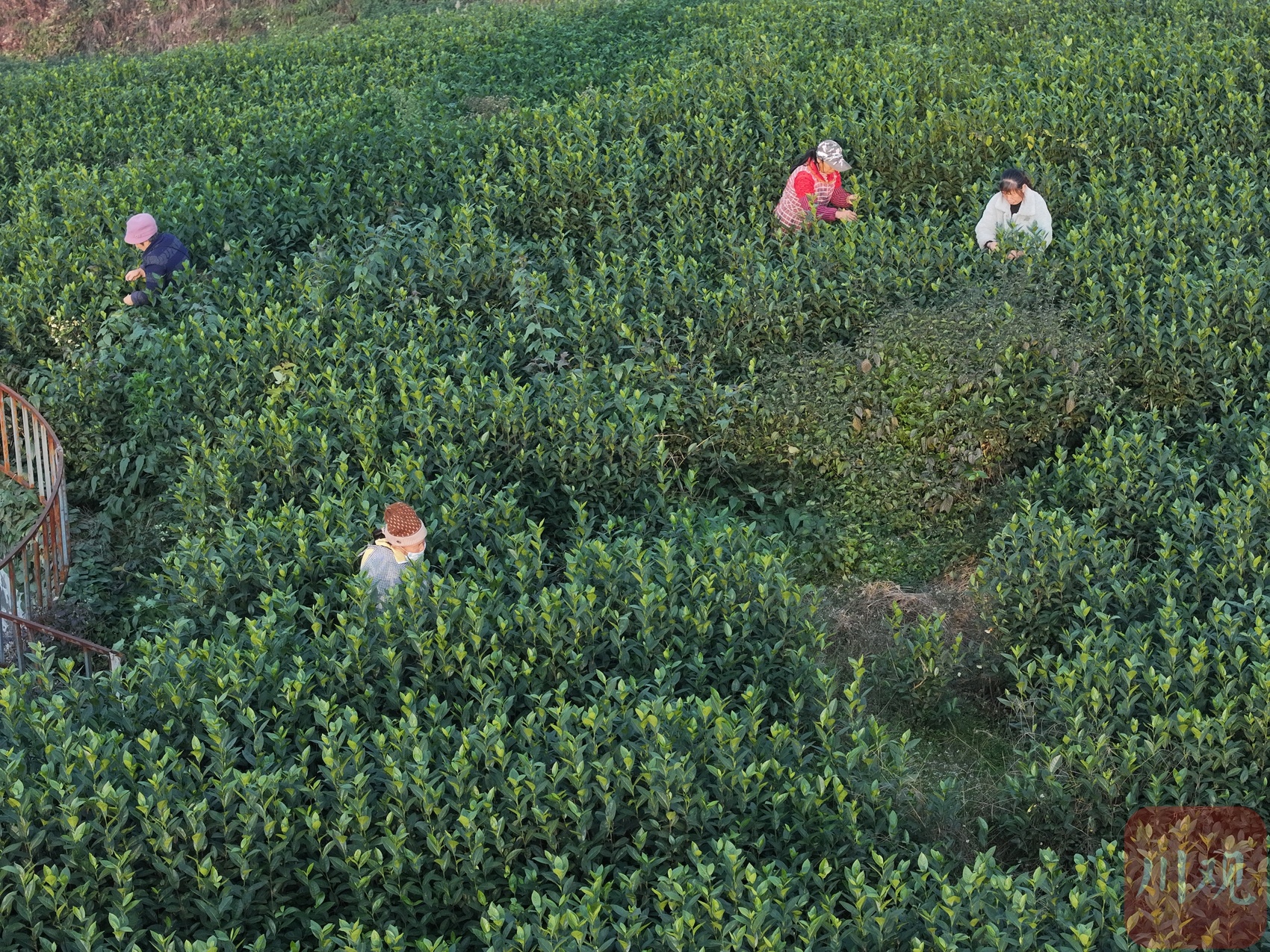
Tea farmers picking early spring tea in an early tea plantation
Freshly plucked leaves—over 50 jin per day—are immediately transported to the processing facility in batches and processed overnight, with shipments dispatched nationwide the following day. A key step in production, known as "fixation" or "kill-green", was upgraded last year with the introduction of steam fixation machines, enabling continuous processing with more stable temperature control to firmly lock in the tea's delicate floral and fresh aromas.
This cup of "early spring freshness" has not only captured market success but also driven significant income growth for local farmers. Under the regional public brand "Yibin Early Tea" and the operational model of "centralized enterprise management and guaranteed-price procurement", the number of tea-growing households in the area has grown from an initial 20–30 to over 400. On the day of reporting, 71-year-old villager Yang Jiaqun harvested more than 3 jin of fresh leaves, earning nearly 200 yuan. During peak season, she can pick 3–4 jin per day, working for five months annually and increasing her income by over 10,000 yuan.
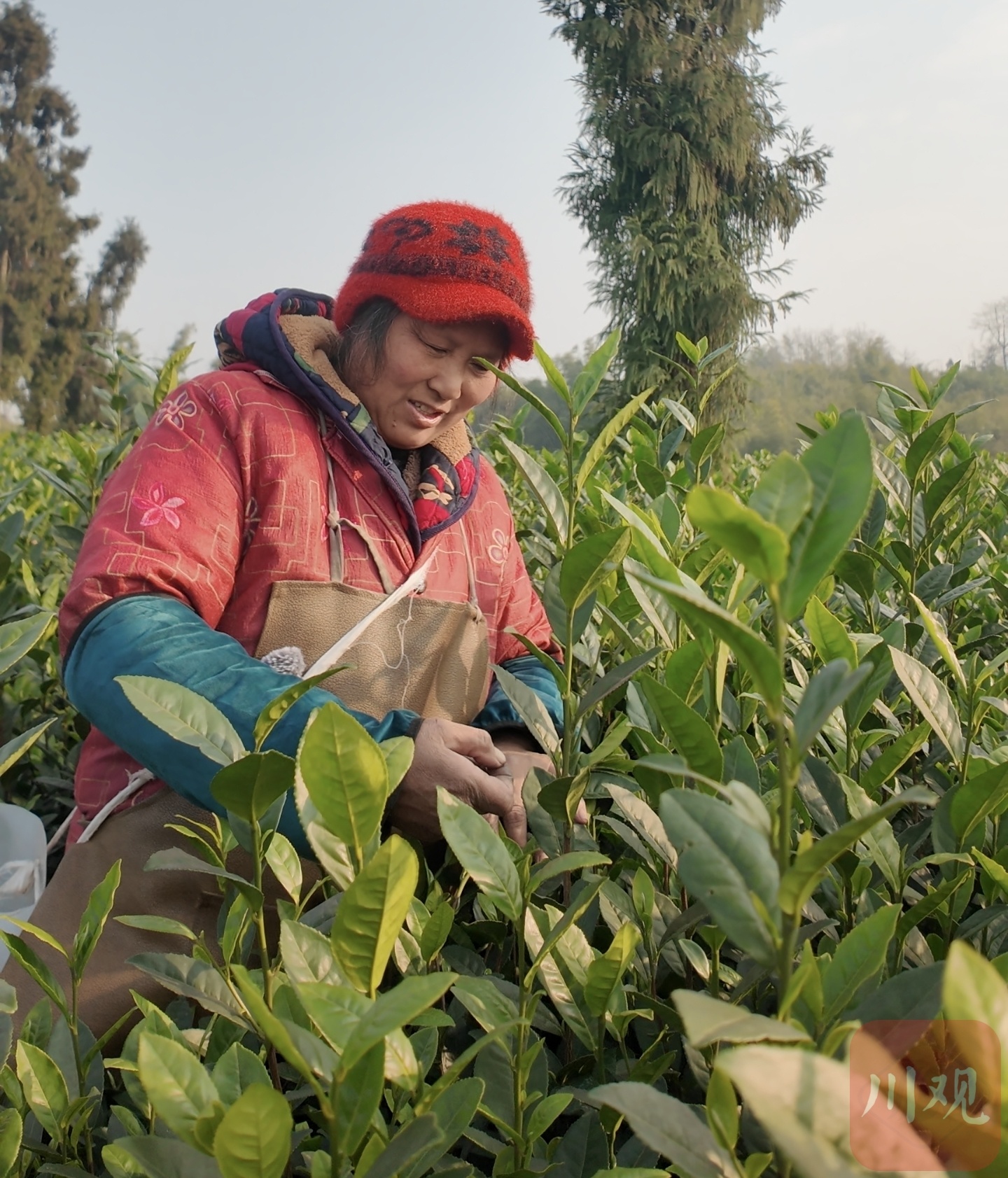
Tea farmers harvesting early spring tea at an early tea plantation
According to estimates from the Yibin Tea Industry Research Institute, the city's total output of early spring tea leaves between late January and the end of February is expected to reach 10,000 metric tons. Jiang'an's early harvest is merely the prelude; tea gardens in Pingshan, Junlian, Gaoxian, and other counties will soon follow in succession, ushering in a wave of harvesting peaks and bringing bountiful returns to even more tea farmers at the start of the year.
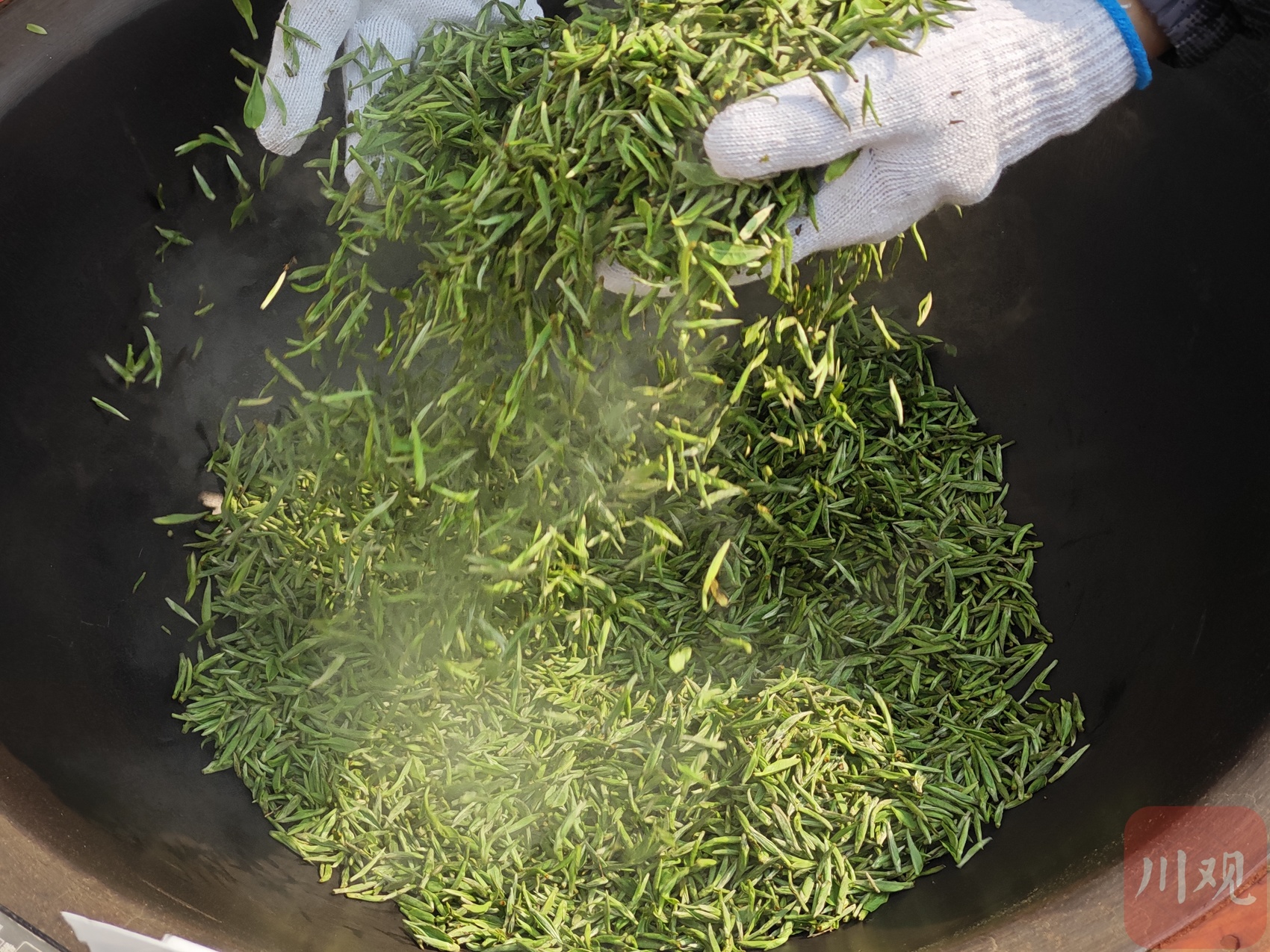
Handcrafted tea making.
【本文部分内容由AI辅助生成,特此声明。The author(s) generated part of the content in this work with the assistance of artificial intelligence (AI), which is hereby declared.】
