
Sichuan's 'Panda of Plants' Doubles to 70,000 Along Yangtze in Nine Years
2026-01-15 10:33:16 by AIOS
"These are all newly sprouted seedlings, and they're growing well," said Zhou Tao, captain of the Jiang'an Yangtze River Assistant Patrol Team in Yibin, as he rode a three-wheeled vehicle through citrus groves to the northeastern riverbank of Chenghua Island on the morning of January 14. Among the rock crevices, clusters of young Myricaria laxiflora seedlings—purple-red and vibrant—were thriving.
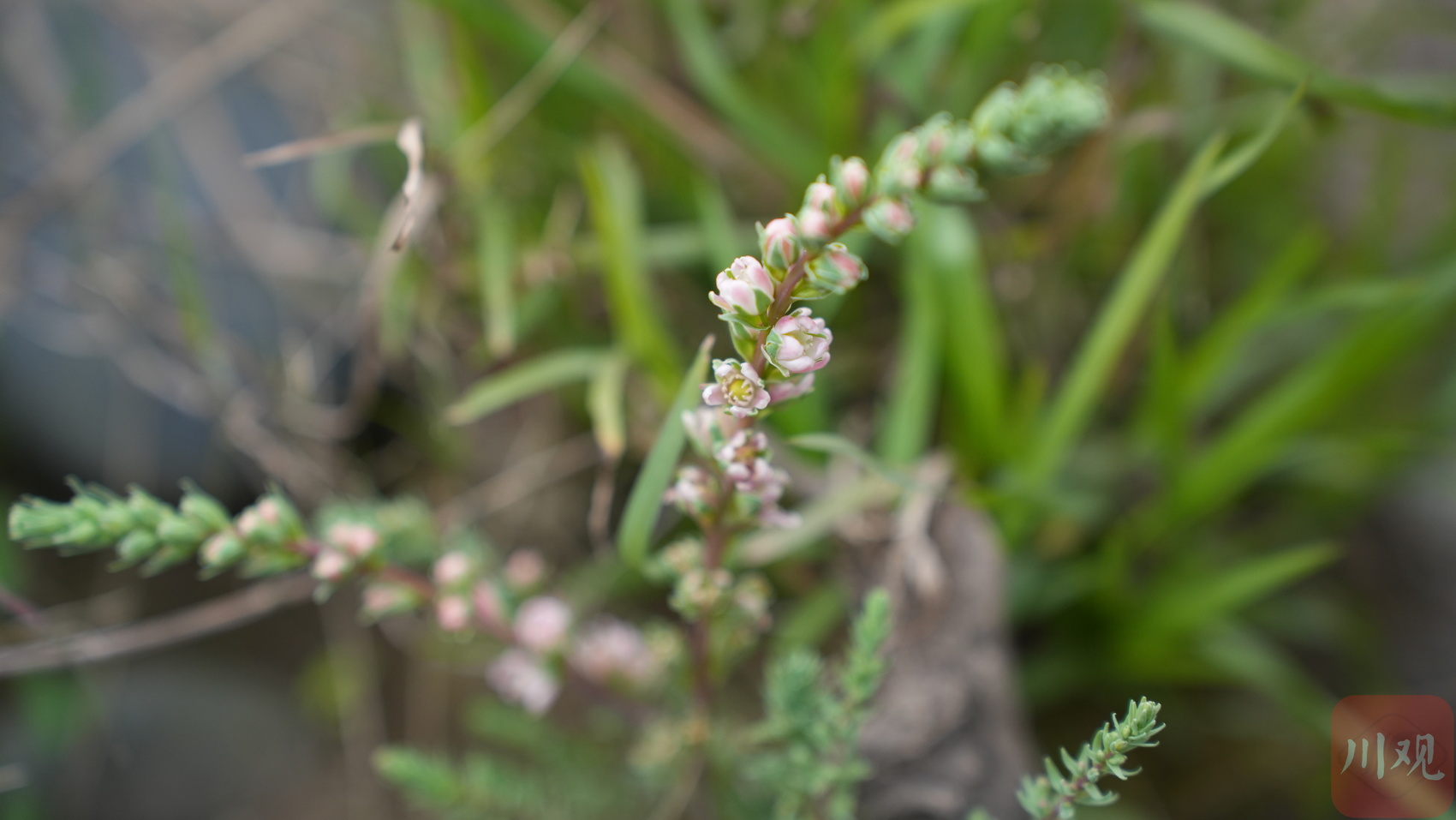
Myricaria Laxiflora Blooms
Chenghua Island, surrounded by water on all sides, is home to the largest wild population of Myricaria laxiflora, a nationally protected Class II plant species. Monitoring data shows that the number of this species in the Jiang'an section of the Yangtze River in Yibin has doubled from over 30,000 individuals in 2017 to more than 70,000 today.
Dubbed the "panda of the plant world", Myricaria laxiflora exhibits a unique "winter growth, summer dormancy" trait: it is submerged and dormant during the flood season from May to October each year, then resumes growth and flowering after the waters recede. Its root system effectively stabilizes soil and prevents erosion. In the past, due to sand mining, fluctuating water levels, and human disturbance, the species was once on the brink of extinction. A 2017 survey found only about 30,000 individuals remaining in the entire county.
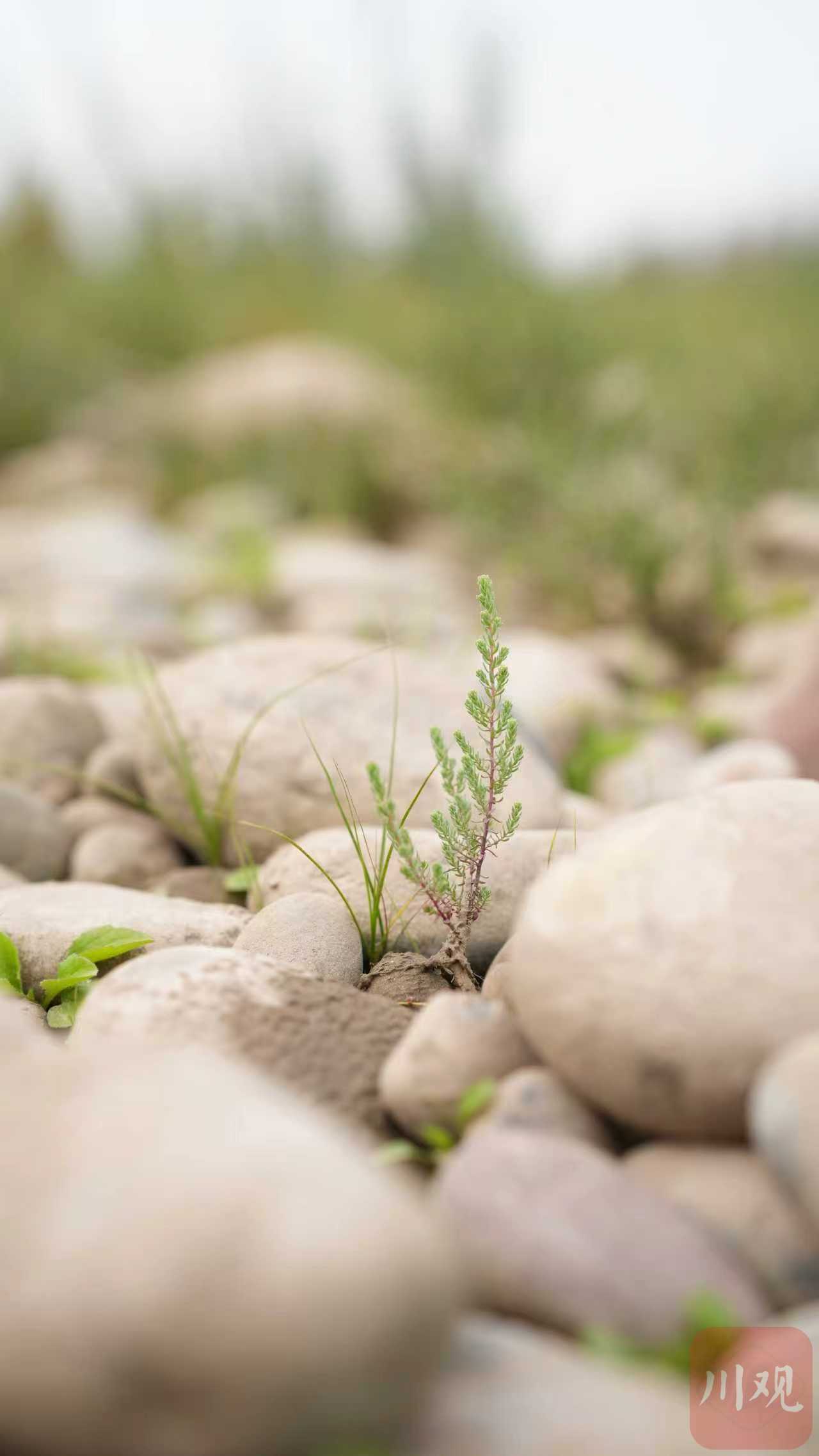
Newly germinated seedlings of Myricaria laxiflora
The turning point came from the dedication of a group of people. Zhou Tao, formerly a professional angler, was inspired by foreign fishing enthusiasts in 2014 to recognize the ecological crisis facing the Yangtze River and decided to return home to establish the Jiang'an Yangtze river Assistant patrol team.
The team's ten members routinely conduct patrols, public education, and enforcement support, often staying by the riverbank until the early hours of the morning to combat illegal fishing. They also repeatedly visit villages to persuade residents to stop free-range grazing. During winter, when forage is scarce, they even provide alternative feed to encourage stall feeding. "Now that there's no more grazing, the seedlings can grow so well," Zhou Tao said, pointing to the new shoots. "More than ten plants can grow in one square meter—within two years, this area will be lush green."
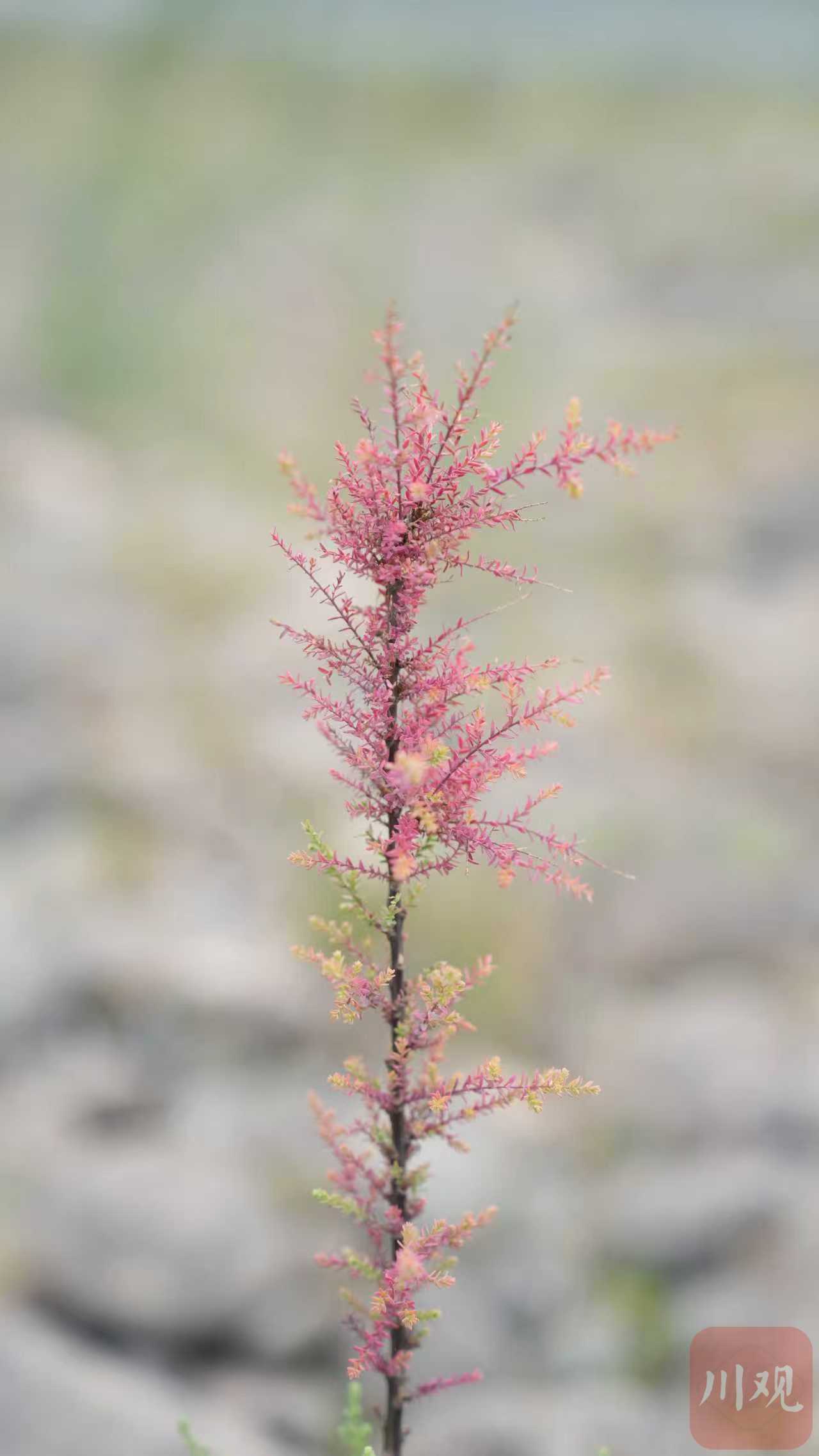
Newly Germinated Seedlings of Myricaria Laxiflora
Systematic conservation efforts have spurred broader ecological recovery. In 2023, the rare plant Plantago fengdouensis reappeared in Yibin, with over 1,000 individuals now coexisting with Myricaria laxiflora on Chenghua Island. Bird habitats have also improved significantly: the number of common cranes (Grus grus) increased from just nine in 2017 to 32 last year.
Technological and management support continues to strengthen. Local forestry authorities, in collaboration with universities, conduct regular habitat monitoring and have installed high-definition cameras for 24-hour surveillance, strictly prohibiting logging, grazing, and slash-and-burn practices. In 2022, a 260-meter-long maintenance path was constructed on the island, providing direct access to the core distribution area for easier upkeep and inspection.
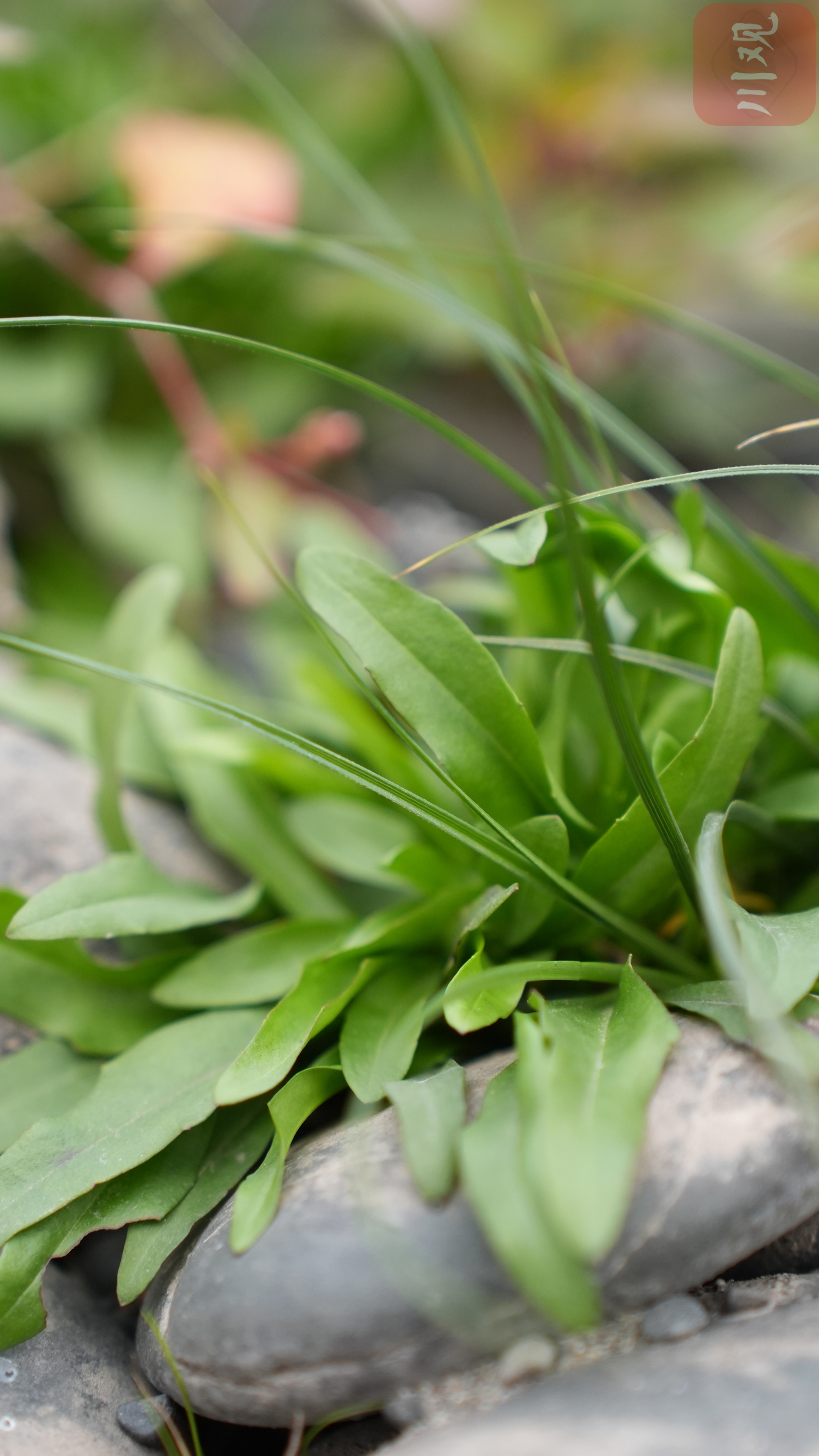
Fengdu Cheqian
Perhaps the most profound change is taking place in people's hearts. Villagers' awareness of conservation has markedly improved, and an increasing number are voluntarily joining the effort. The patrol team now includes two former fishermen who have transitioned into river guardians, and Jin Weijun, a local resident of Chenghua Island, has become the first responder against illegal harvesting and grazing. "When these plants thrive, the entire riverbank benefits," he said.
【本文部分内容由AI辅助生成,特此声明。The author(s) generated part of the content in this work with the assistance of artificial intelligence (AI), which is hereby declared.】
