
Chengdu Celebrates Ginkgo Season.
2025-12-05 17:51:32 by AIOS
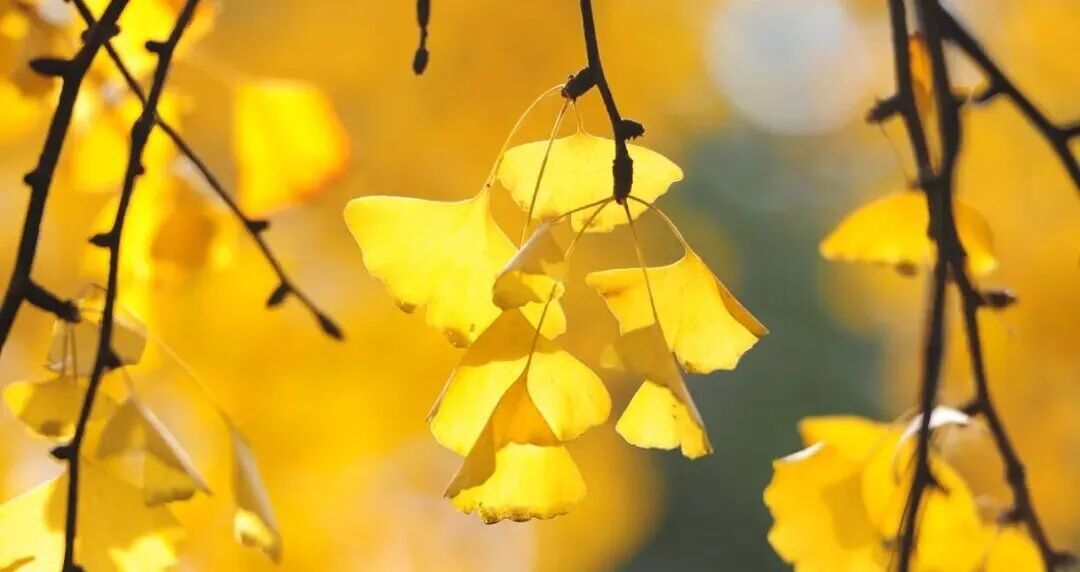
As the early winter sets in and the ginkgo leaves turn yellow, Chengdu enters the season of enjoying the 'city bathed in golden armor' ginkgo viewing. In 2025, videos of 'ginkgo leaf umbrellas' from Dalian University of Foreign Languages, ginkgo leaf cloaks worn by Chengdu children, and ginkgo leaf tall hats handmade by parents went viral on social media platforms.
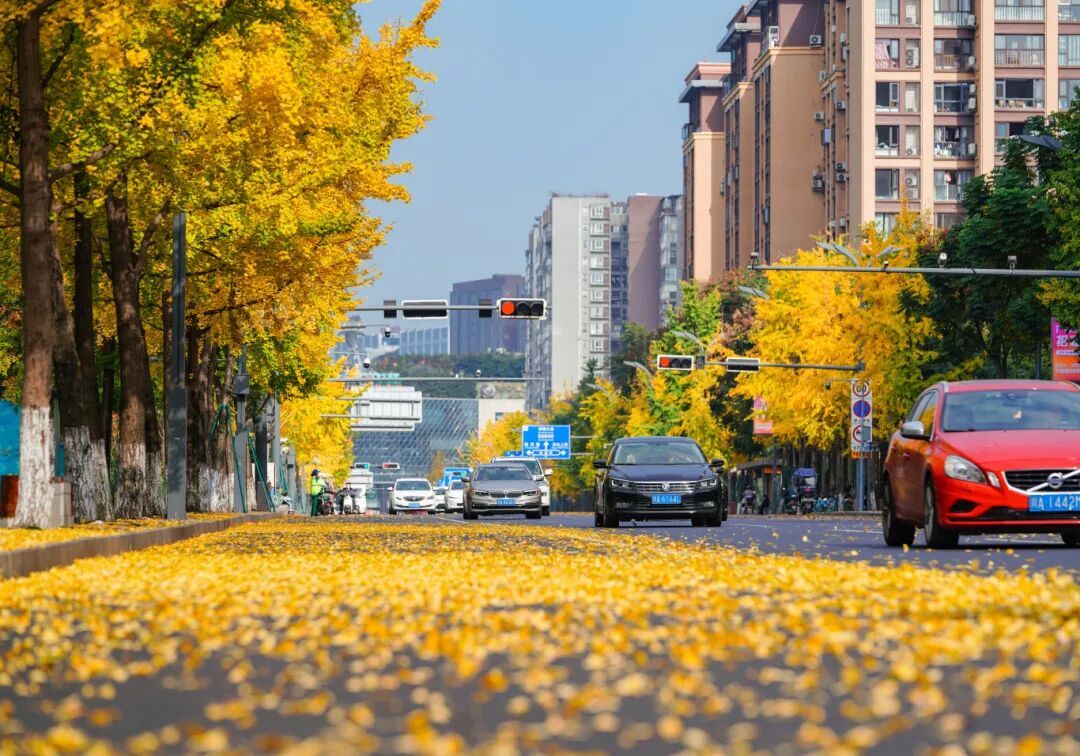
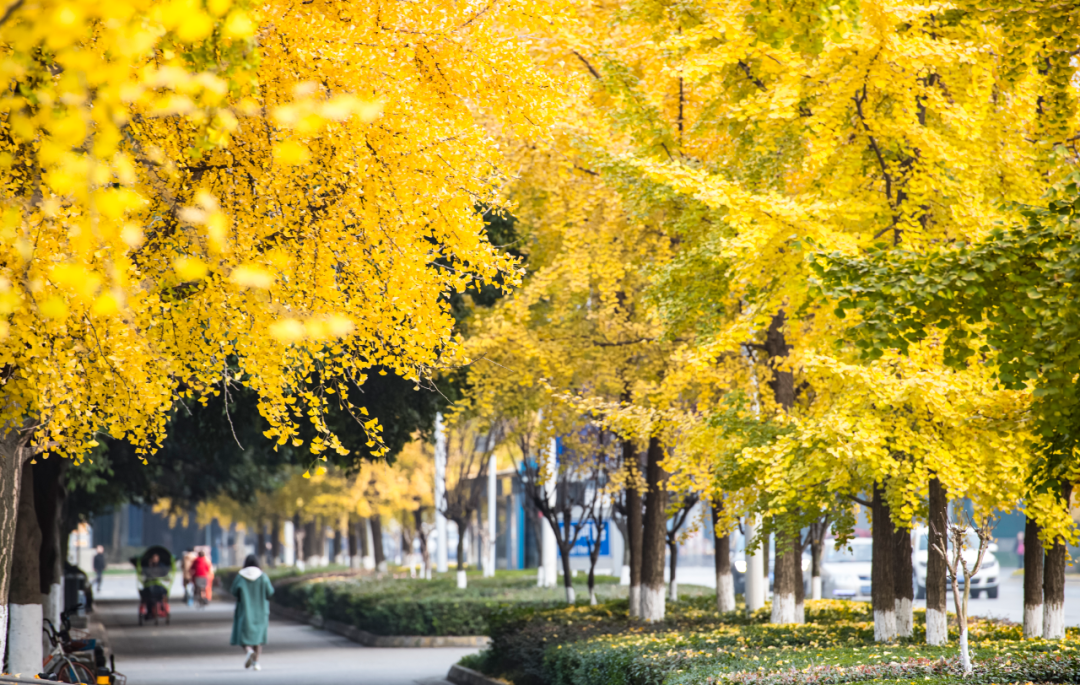
Chengdu is a home to ginkgo trees, and its citizens have a fondness for interacting with them. Since 2021, Chengdu has implemented a 'leaves sweeping delay' policy, and this year marks its fifth anniversary. Reporters have witnessed the transformation of ginkgo leaves from urban waste to scenic resources, business opportunities, and artistic installations.
Professor Yang Zhenzhi from Sichuan University, who first advocated for 'creating landscapes with fallen leaves' 17 years ago, now calls for the establishment of a ginkgo cultural festival or the organization of a ginkgo cultural and creative products competition, making ginkgo a footnote to urban aesthetics.
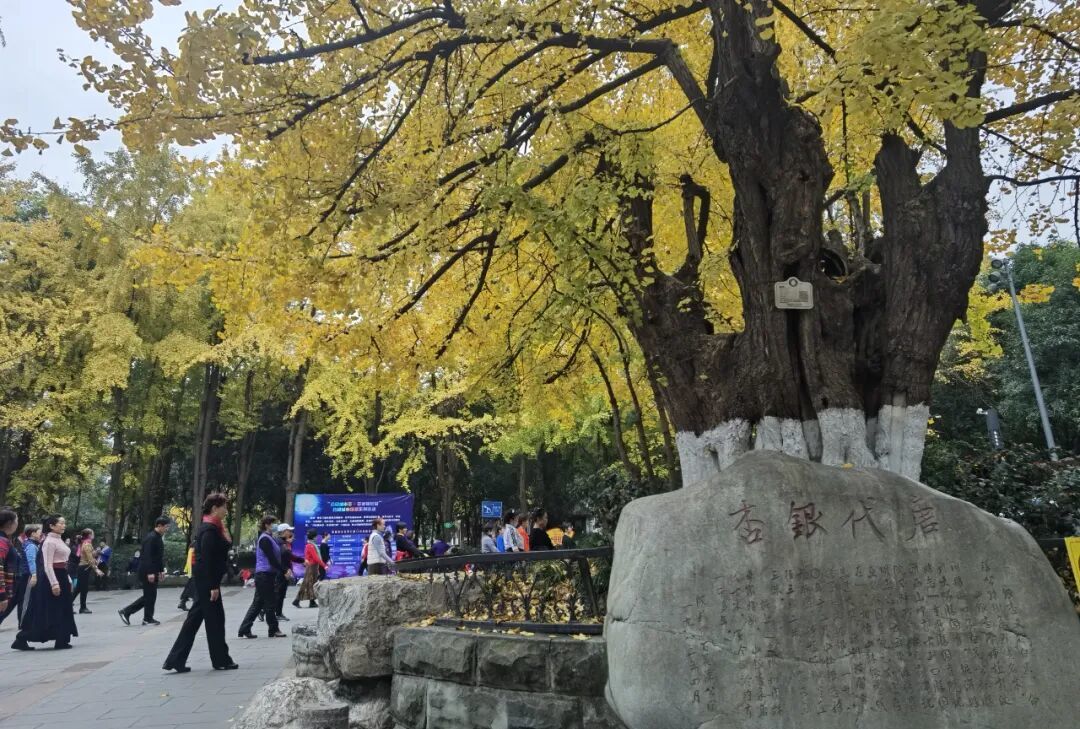
Ginkgo, a species that has survived on Earth for 240 million years, was once widely distributed in the Northern Hemisphere but now only exists in China, with Southwest China being its last habitat. The ginkgo population in Nanbao Mountain, Qionglai, is one of the 15 natural populations in the world, with Chengdu becoming its 'refuge'. Ginkgo trees have graceful shapes, elegant leaves, and their fruits are edible and medicinal, praised for their beauty by Su Dongpo.
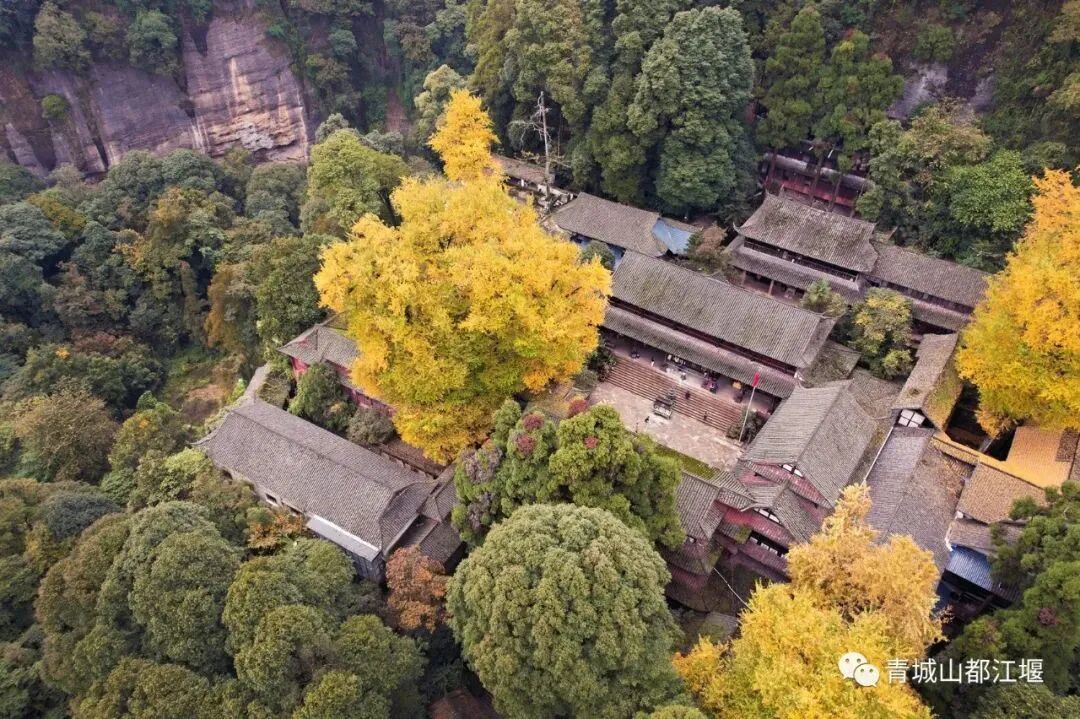
The people of Chengdu have long cherished ginkgo trees. There are 2,042 ginkgo trees over a century old in the city. The ginkgo tree in Tianshi Cave of Qingcheng Mountain is about 1,900 years old and was once selected as one of the 'Ten Tree Kings of Sichuan'. Legend has it that the Taoist priest in Qingcheng Mountain used ginkgo nuts to stew chicken to cure the head priest, and this dish became famous.
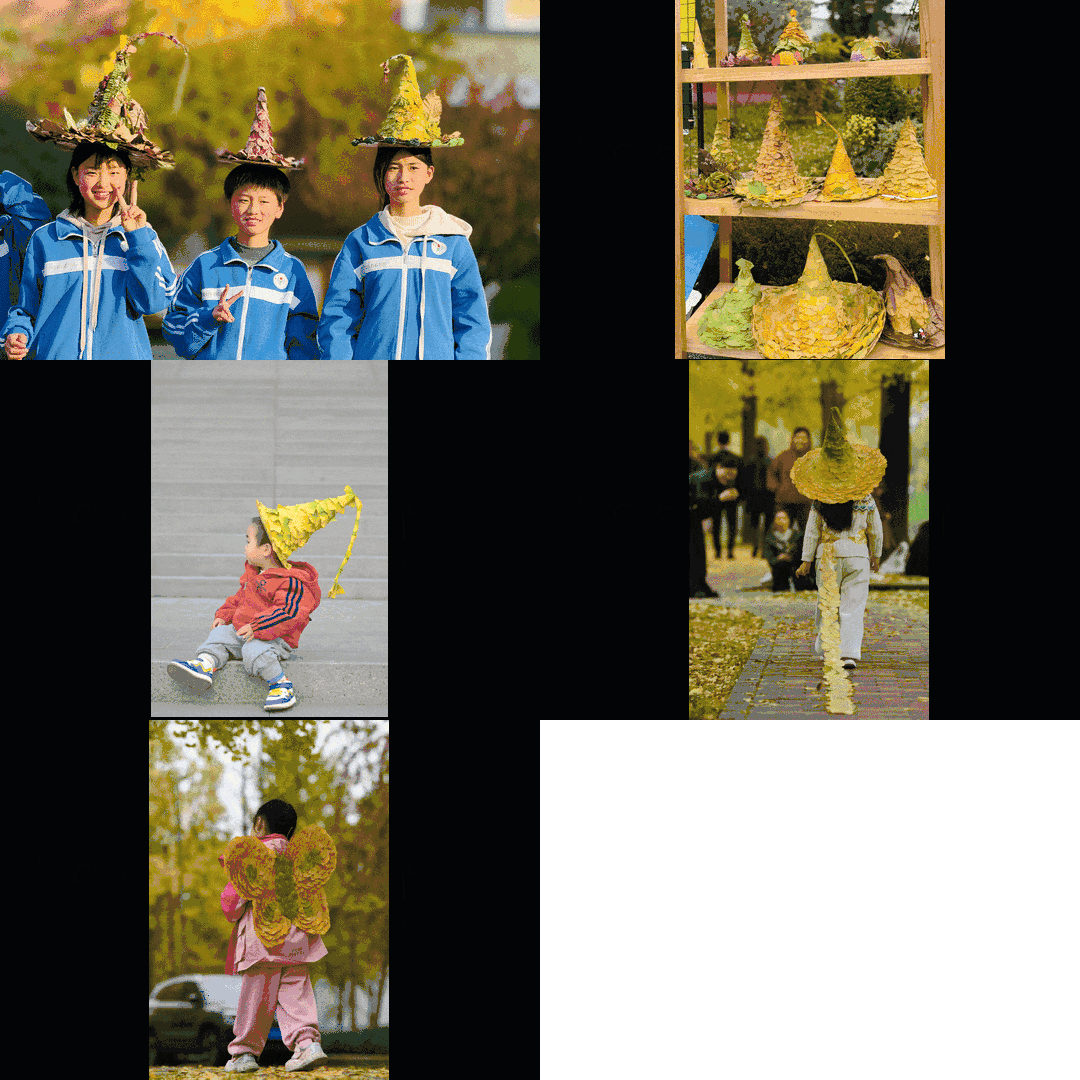
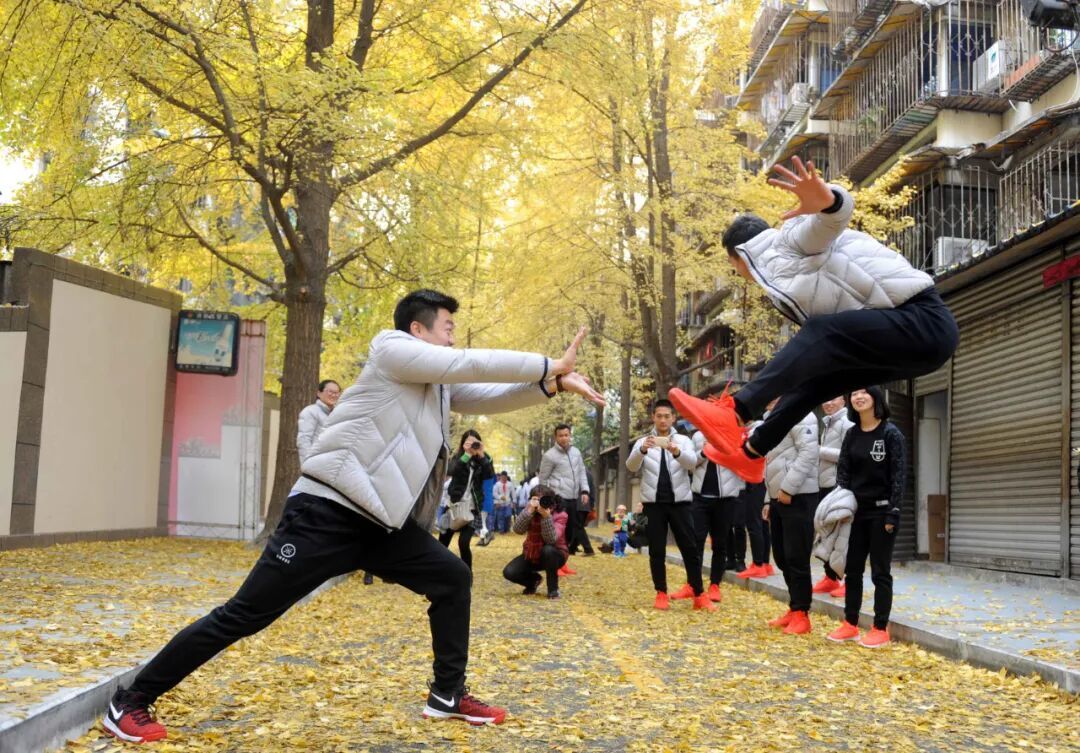
In 1983, the ginkgo was named the city tree of Chengdu; in 2021, 'leaves sweeping delay' became a normal practice in urban management. After the policy was implemented, interactions between citizens and ginkgo trees became closer, and a ginkgo art storm swept through Chengdu. Citizens created cloaks, hats, and more from ginkgo leaves, with ginkgo leaf umbrellas in Cultural Park and ginkgo leaf carpets on the streets of Qingbaijiang attracting tourists. In the Living Water Park of Shuangliu Jiaolong Port, the ginkgo leaf bouquet made by Ms. Jiao became an 'online hit product'. Ginkgo foods such as ginkgo cookies and ginkgo-flavored milk tea also kept emerging.
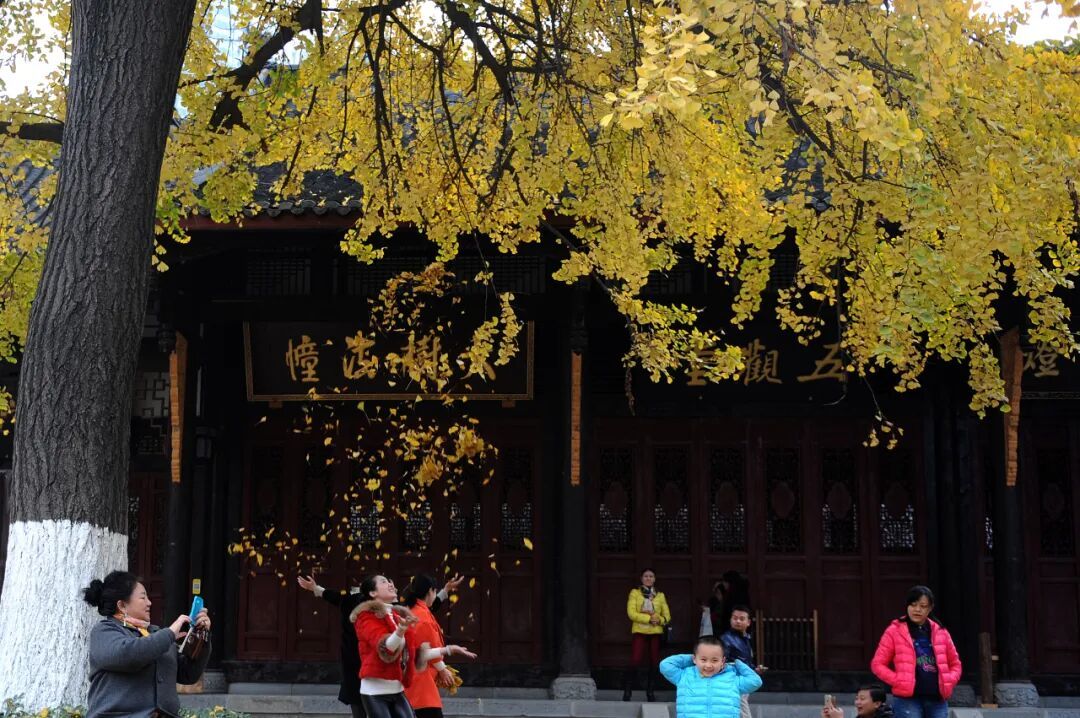
Professor Yang Zhenzhi suggests establishing a ginkgo cultural festival to delve into the cultural connotations of ginkgo and make Chengdu the capital of ginkgo-themed cultural and creative products. Comments believe that Chengdu's 'leaves sweeping delay' is a dual pursuit of civilization and governance, showcasing the wisdom and warmth of urban governance. Chengdu uses a single leaf to demonstrate urban civilization, perfectly blending the temperature of people's lives with urban aesthetics.
【本文部分内容由AI辅助生成,特此声明。The author(s) generated part of the content in this work with the assistance of artificial intelligence (AI), which is hereby declared.】
