
Hungarian Think Tank Scholars share ideas about "15th Five-Year Plan"
2025-10-30 17:41:48 by SICC
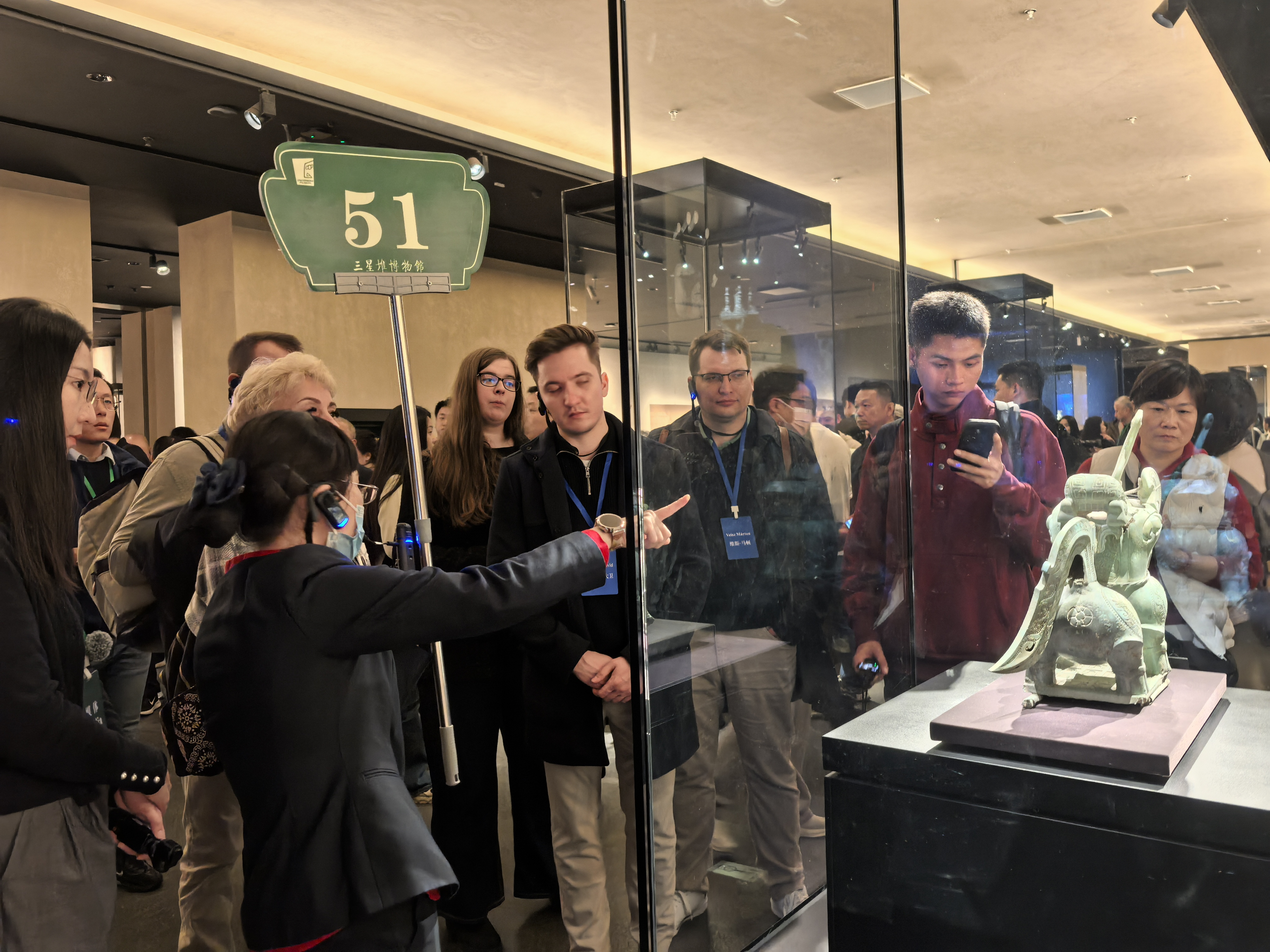
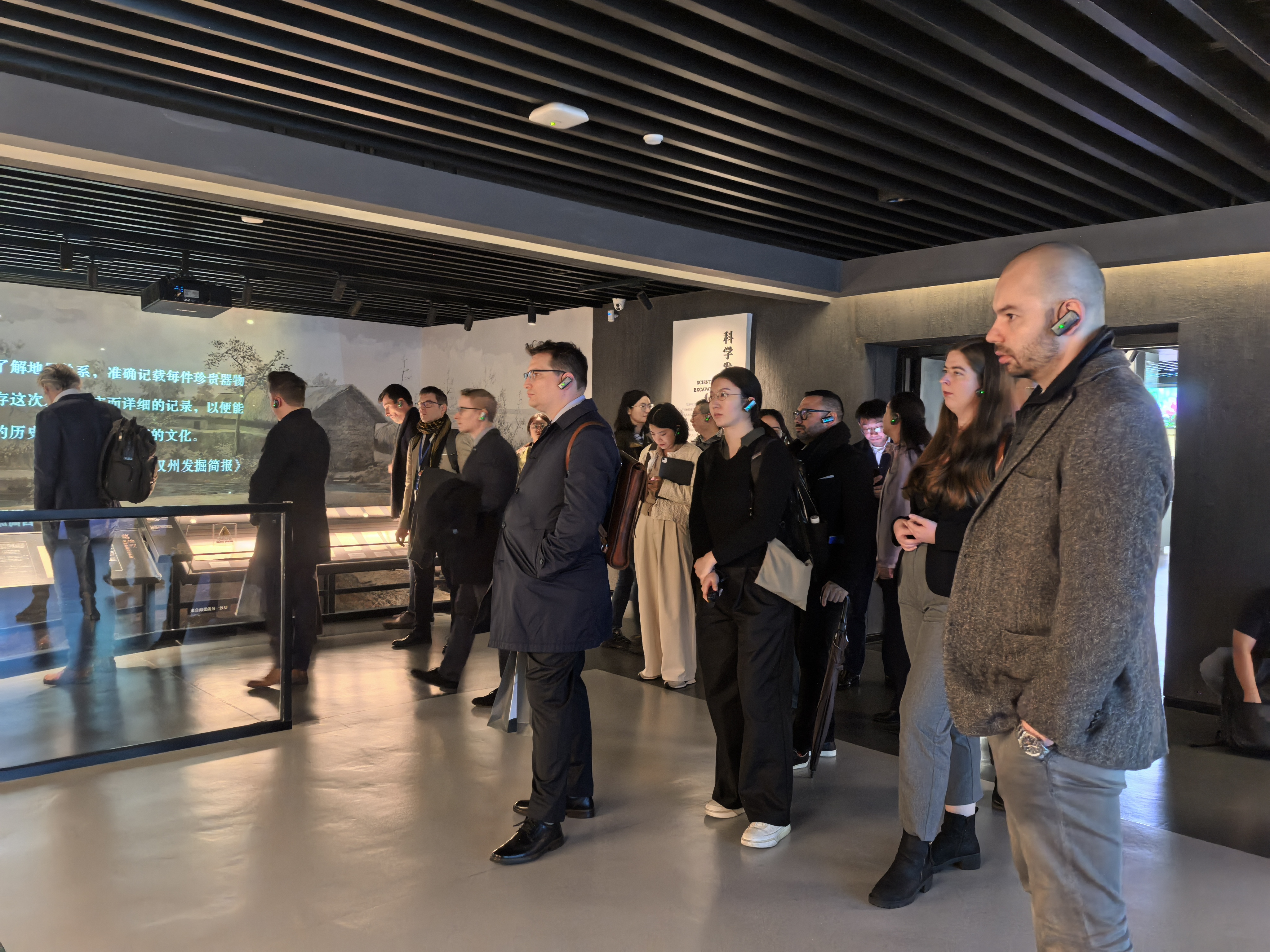
From October 23 to 25, the "Sichuan-Chongqing Tour for Hungarian Think Tank Scholars," hosted by the Chinese Embassy in Hungary and the China Society for Human Rights Studies, arrived in Chengdu. More than ten Hungarian scholars visited famous sites such as the Sanxingdui Museum and the Chengdu Research Base of Giant Panda Breeding. They experienced cultural and tourism activities with strong local characteristics, such as Sichuan Opera face-changing performances and nighttime cruises on the Jinjiang River. They also made special visits to Sichuan Kelun Pharmaceutical Co., Ltd. in Xindu District and Chengdu Bamo Technology Co., Ltd. in Jintang County for research, gaining firsthand insight into Sichuan's local customs and economic development, and exchanging ideas on development strategies.
Foreign scholars showed great interest in recent policy topics such as the widely discussed "15th Five-Year Plan." DR.Artner Annamária, a senior researcher at the World Economy Institute of Eötvös Loránd University in Budapest, who has long been dedicated to sustainability studies, remarked, "China's developmental achievements are reflected in its high-tech breakthroughs and integrated into the happy lives of its people, which cannot be separated from scientific planning." She believes that China's Five-Year Plans achieve balanced economic and social development, focusing on sustainable development and the improvement of people's livelihoods. "This holds significant reference value for Hungary and even the entire Europe. There is vast potential for cooperation between China and Hungary in the field of sustainable development."
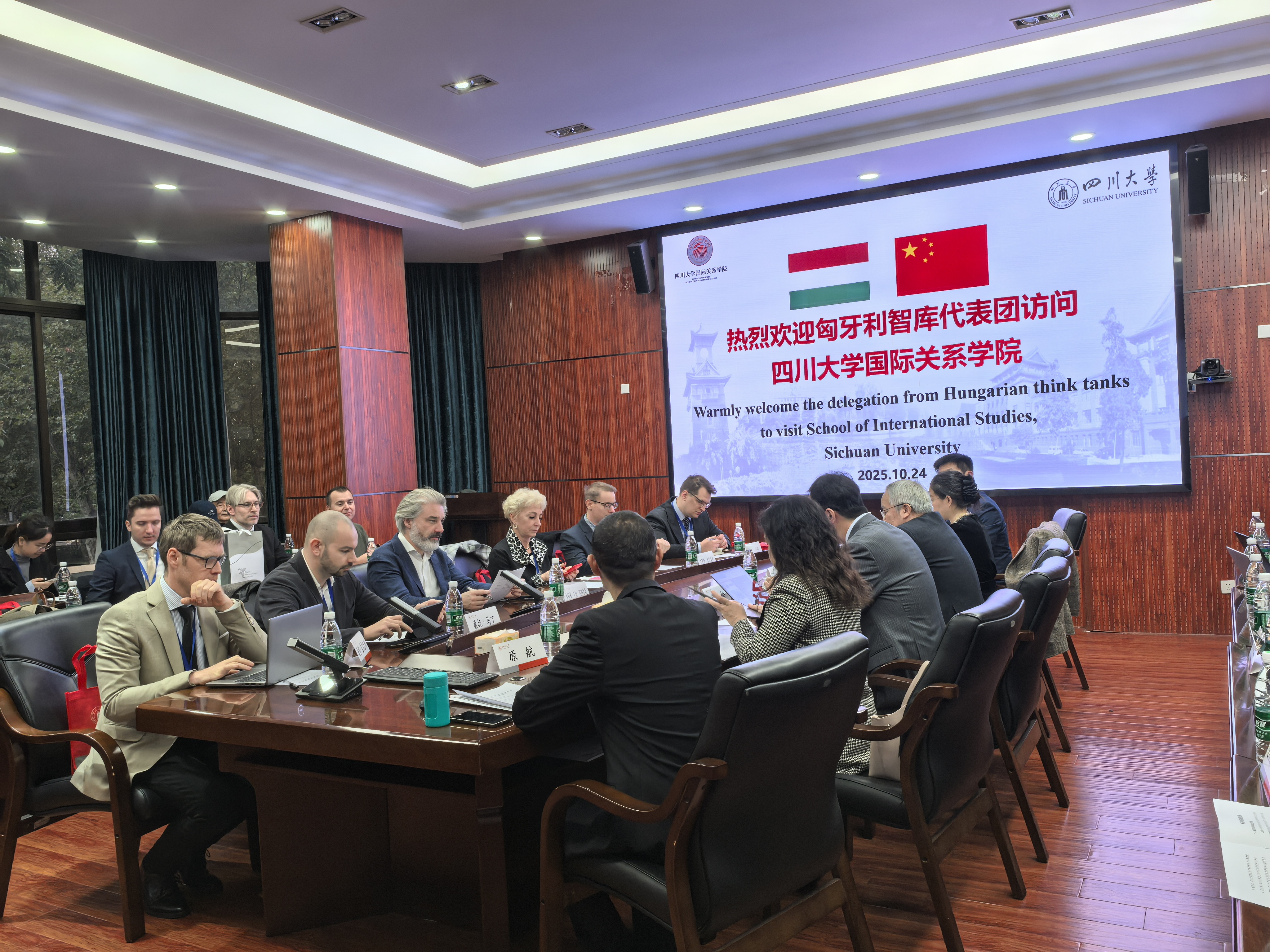
Eric Hendriks, a member of the Hungarian think tank delegation, also offered a unique perspective: "To understand China, one must understand China's Five-Year Plans. China is embracing the world with optimism and confidence, and now is the perfect opportunity to deeply study China's experience. We should organize more exchange and research activities for mutual benefit and learning."
