
Elder couple spending 60 years on herpetological research in Sichuan
2021-10-18 07:23:02 by

Fei Liang (L) and Ye Changyuan are on their way to work in Chengdu, capital of southwest China's Sichuan Province, Jan. 14, 2021.(Xinhua/Liu Kun)
CHENGDU, Jan. 22 (Xinhua) -- Fei Liang, 84, and Ye Changyuan, 82, are both herpetological researchers at the Chengdu Institute of Biology of the Chinese Academy of Sciences (CAS), southwest China.
The elder couple have been doing herpetological research for 60 years. They often had to stay in the wild for more than half a year because of work. Among the 117,000 specimens displayed inside the Herpetological Museum of the Chengdu Institute of Biology, nearly half of them were collected or sorted by Fei.

File photo taken in 1960s shows Fei Liang (L) and Ye Changyuan. (Xinhua)

File photo taken in 1994 shows Fei Liang (R) and Ye Changyuan doing investigation on Mount Emei in southwest China's Sichuan Province.(Xinhua)
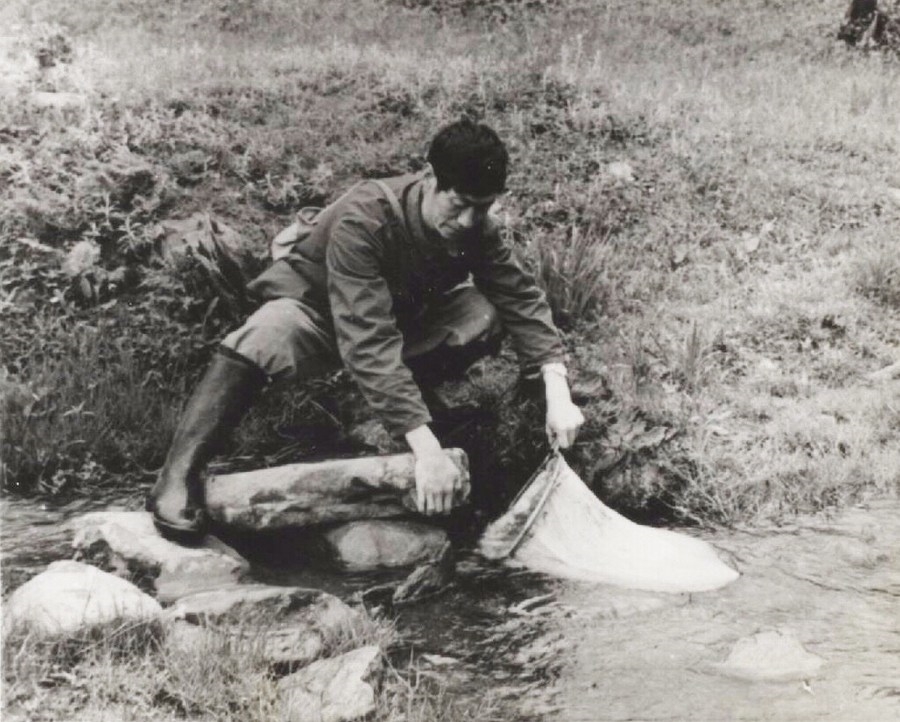
File photo taken in 1981 shows Fei Liang doing investigation in Yuexi County of Liangshan Yi Autonomous Prefecture in southwest China's Sichuan Province.(Xinhua)
After retirement in the 1990s, the couple continued to work for another 20 plus years.In the past 60 years, they have published some 200 papers and 28 monographs, with over 15,000 illustrations. They also discovered 72 new species and established 24 new genera, 15 new tribes, 6 new subfamilies, one new family.
In 2016, their English monograph "Amphibians of China" (Volume One) was officially published. They have finished the Volume Two draft and will hand it to the publishing house in 2021. They plan to finish the Volume Three in three or four years. "We have to work against time as we want to list all the knowledge we accumulated through the whole life, in a bid to make China's herpetological research keep up with international level."
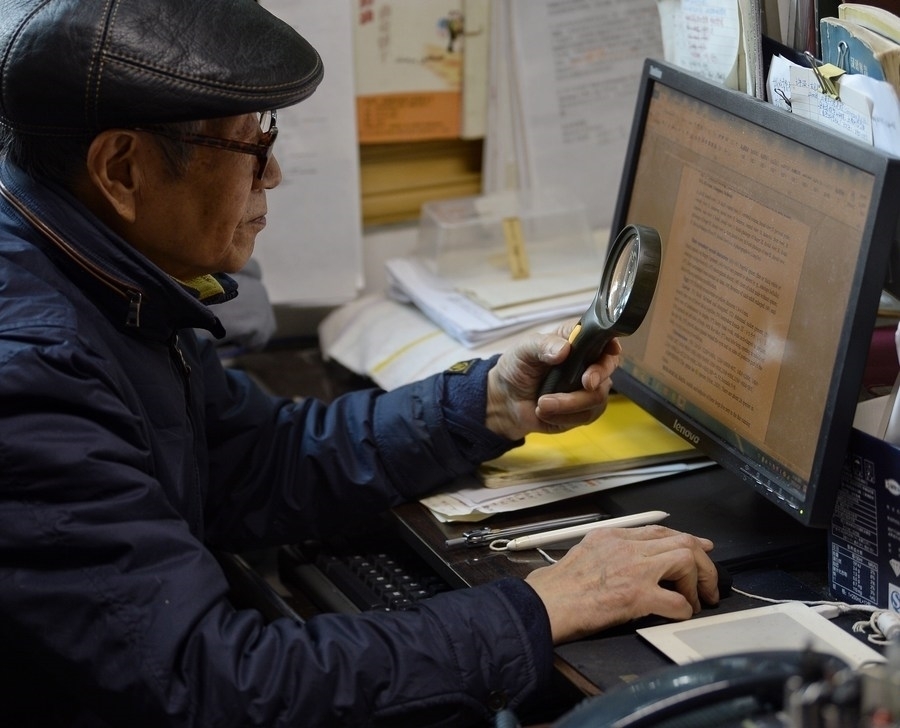
Fei Liang uses a magnifying glass to look through and check his manuscript on computer at his office in Chengdu, capital of southwest China's Sichuan Province, Jan. 14, 2021. (Xinhua/Liu Kun)

Fei Liang (L) and Ye Changyuan observe a frog specimen at their office in Chengdu, capital of southwest China's Sichuan Province, Jan. 14, 2021.(Xinhua/Liu Kun)
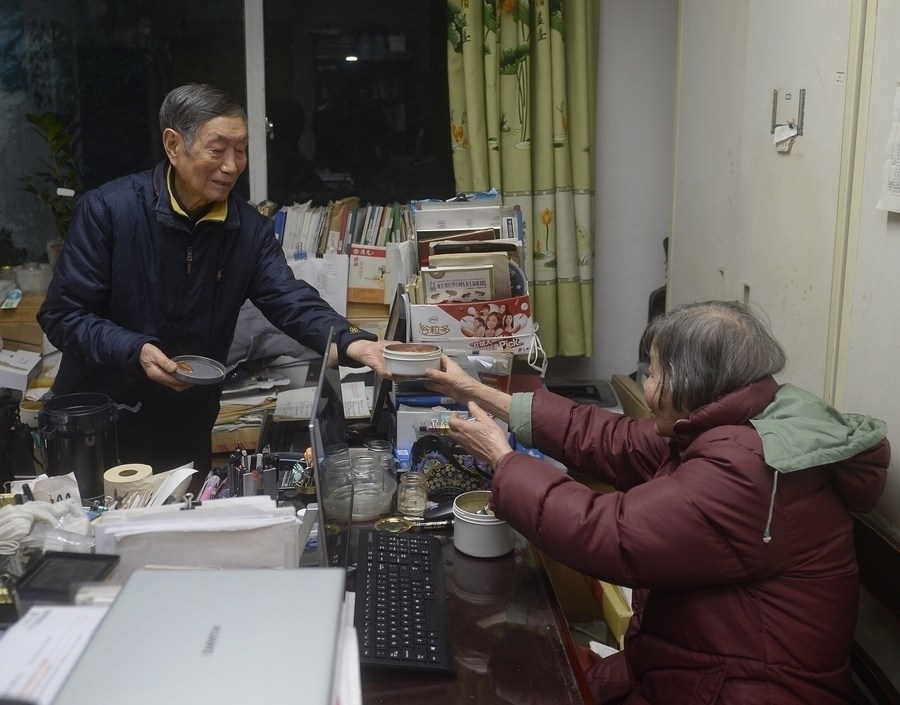
Fei Liang (L) and Ye Changyuan have dinner at their office in Chengdu, capital of southwest China's Sichuan Province, Jan. 14, 2021.(Xinhua/Liu Kun)
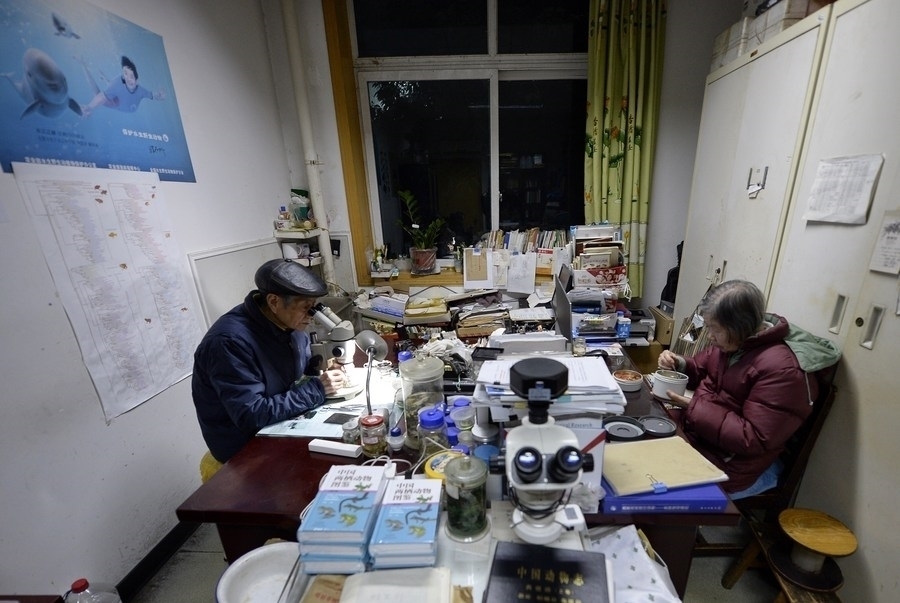
Fei Liang (L) works and Ye Changyuan has her supper at their office in Chengdu, capital of southwest China's Sichuan Province, Jan. 14, 2021.(Xinhua/Liu Kun)

Ye Changyuan works at the office in Chengdu, capital of southwest China's Sichuan Province, Jan. 15, 2021.(Xinhua/Liu Kun)
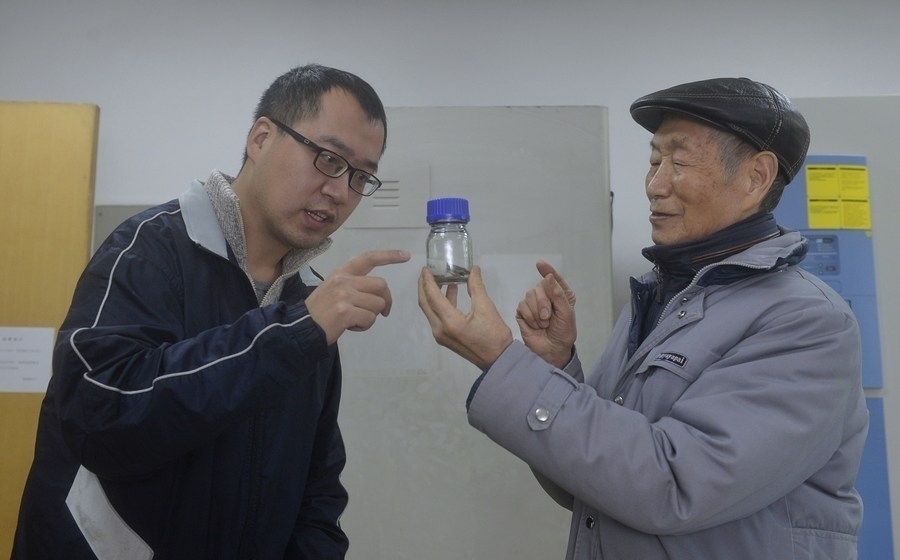
Fei Liang (R) talks with his student at the Chengdu Institute of Biology of the Chinese Academy of Sciences (CAS) in Chengdu, capital of southwest China's Sichuan Province, Jan. 15, 2021.(Xinhua/Liu Kun)
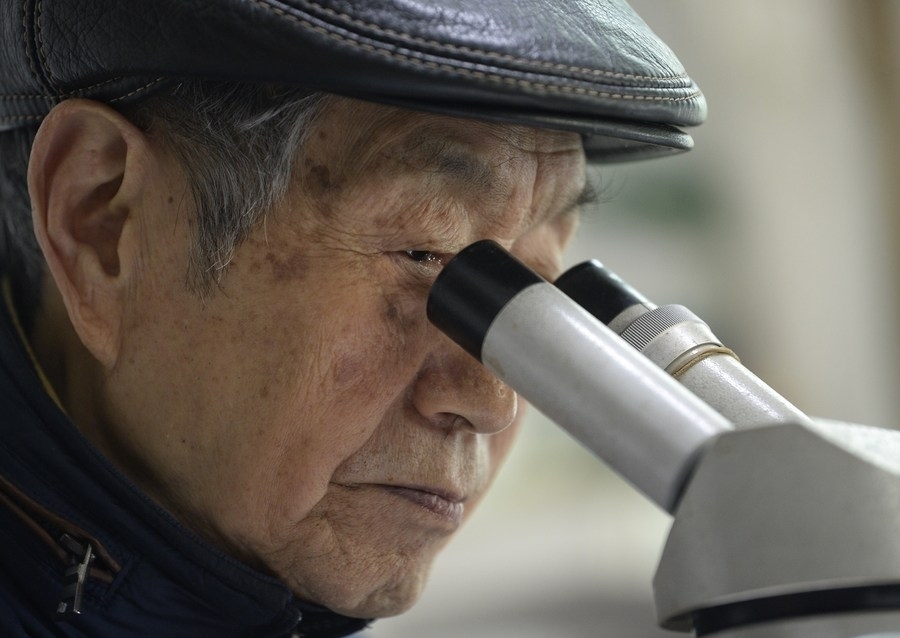
Fei Liang observes the specimen of a frog's skeleton inside his office in Chengdu, capital of southwest China's Sichuan Province, Jan. 15, 2021.(Xinhua/Liu Kun)
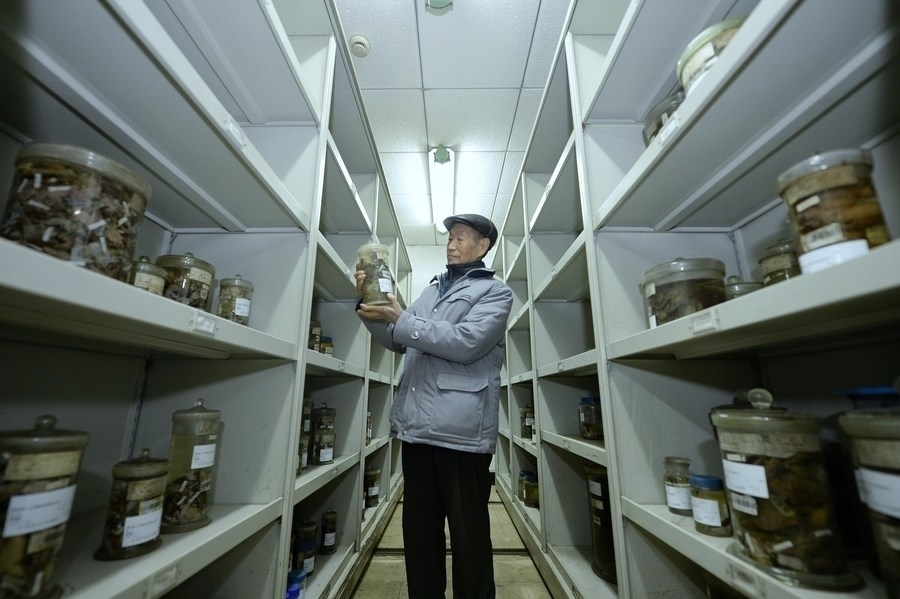
Fei Liang checks specimens at the Herpetological Museum of the Chengdu Institute of Biology of the Chinese Academy of Sciences (CAS) in Chengdu, capital of southwest China's Sichuan Province, Jan. 15, 2021.(Xinhua/Liu Kun)
