
The intangible cultural heritages in Sichuan
2022-12-01 10:13:14 by Sichuan International Communication Center
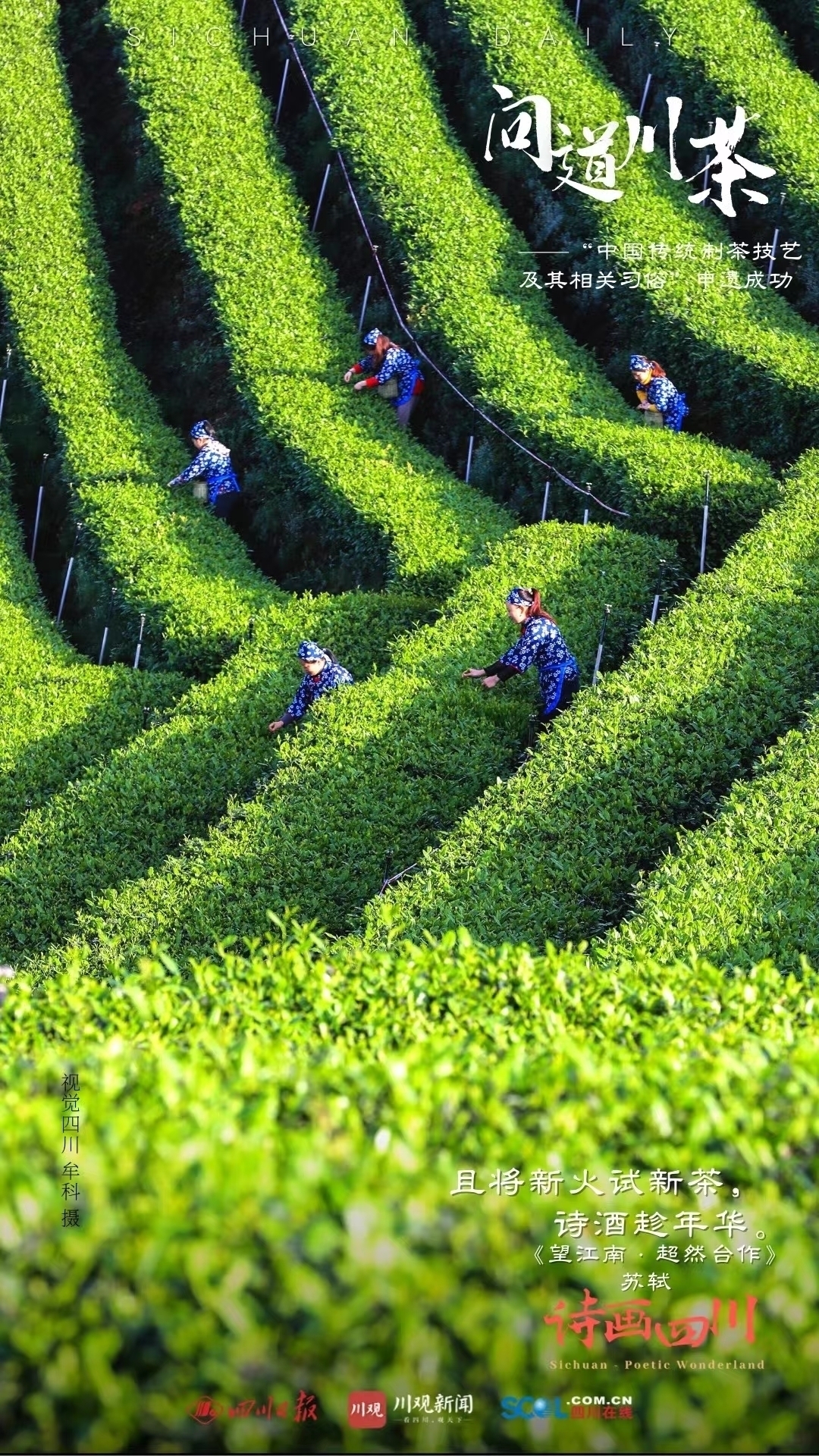
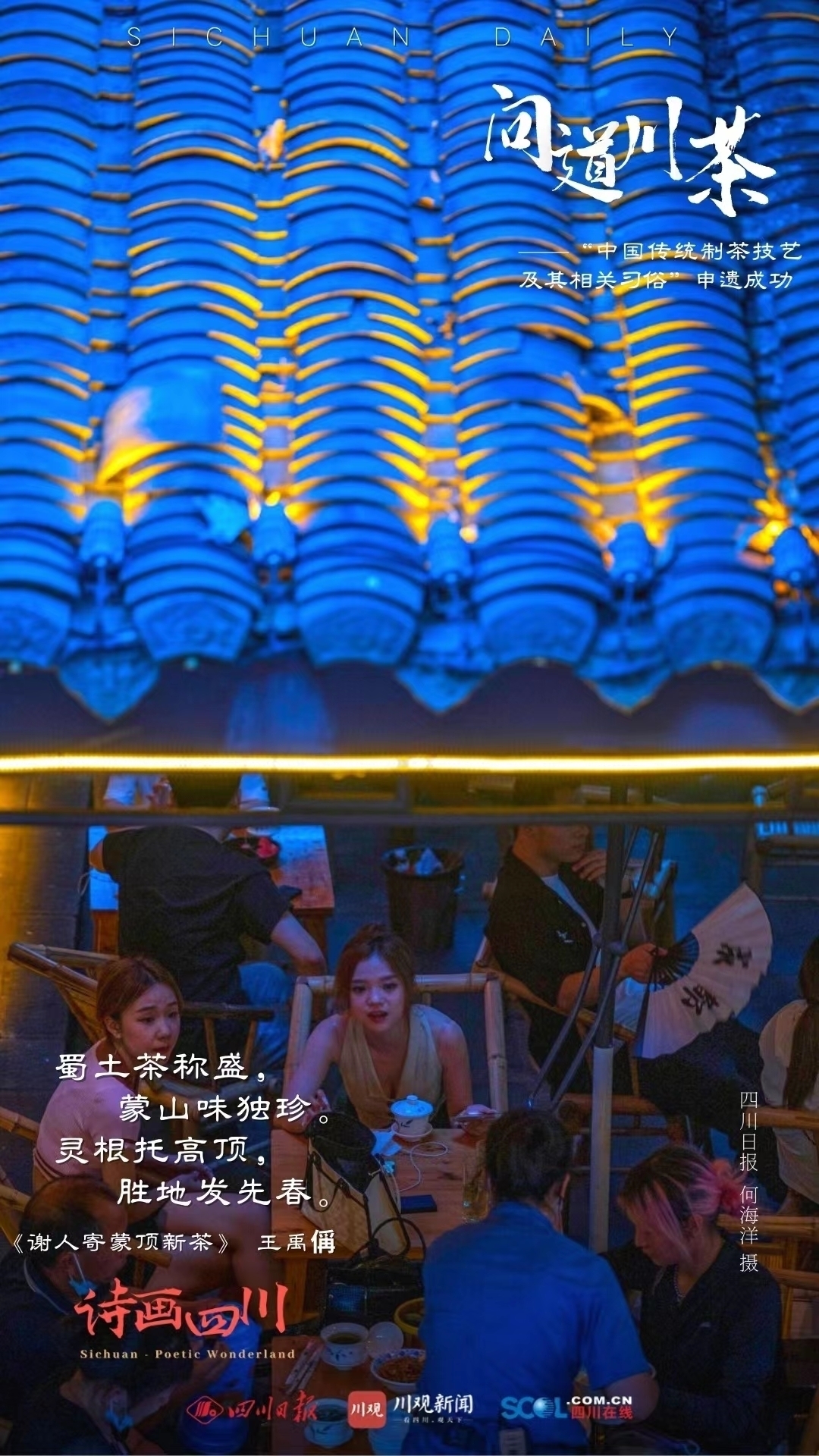
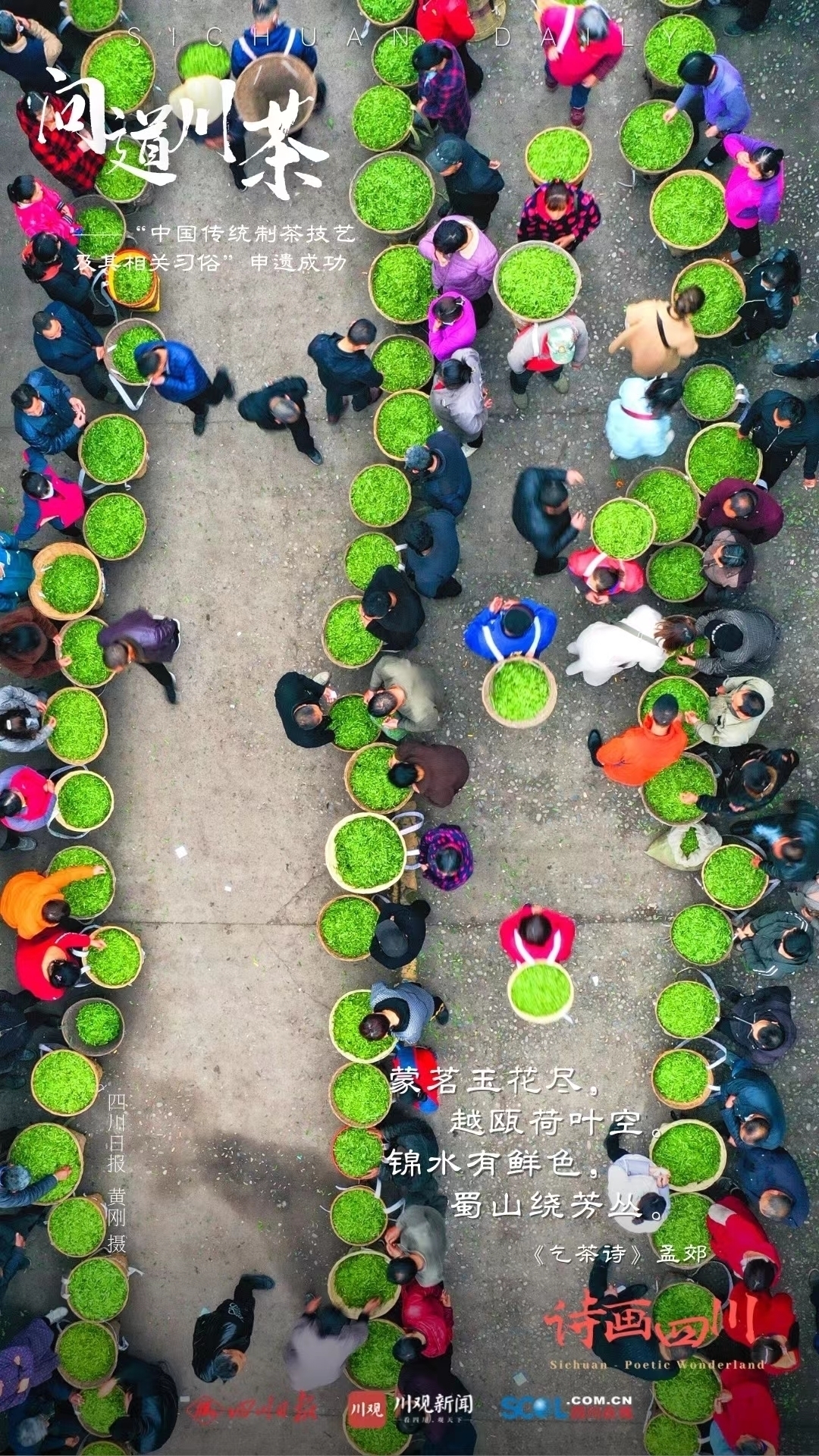
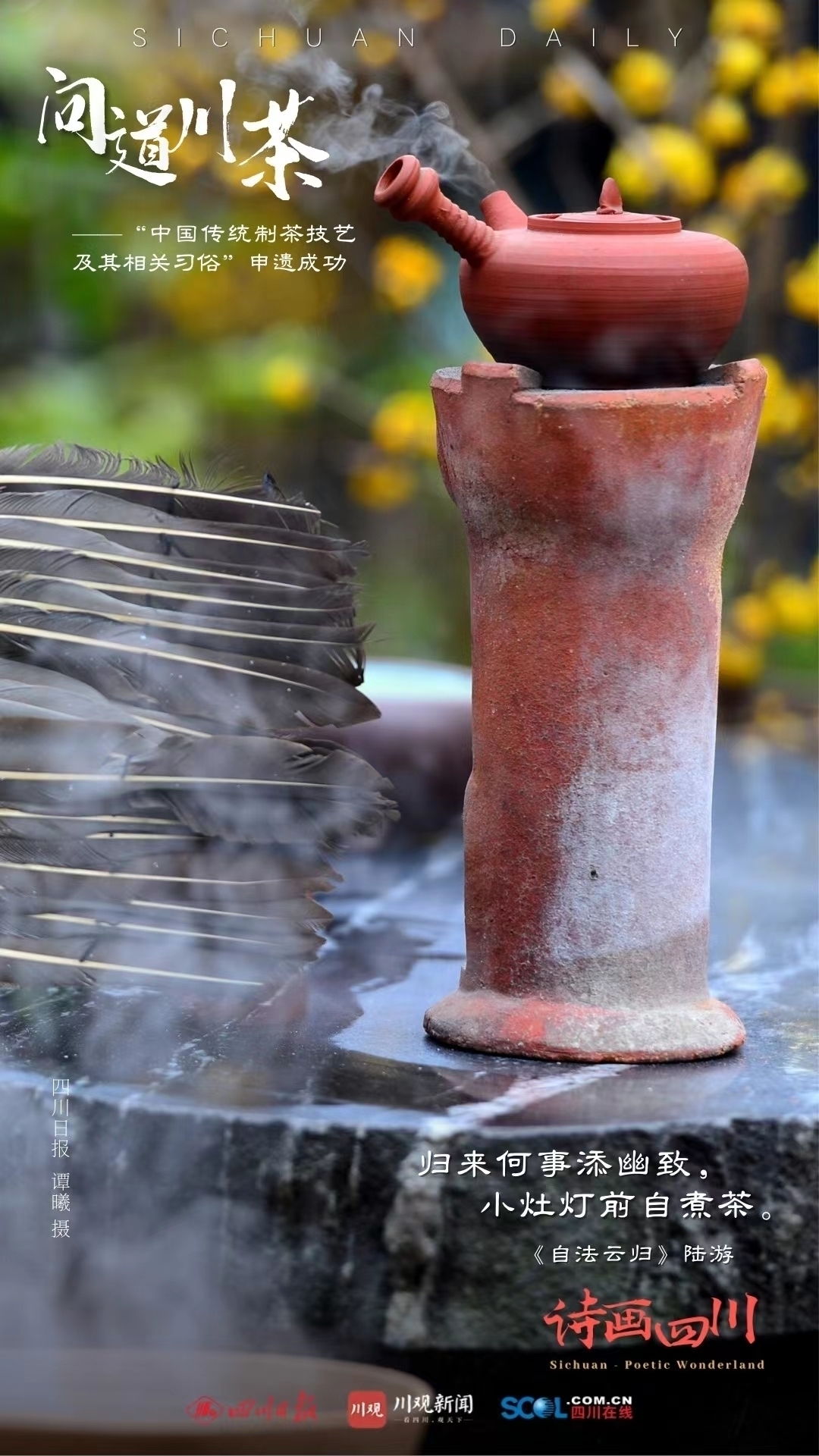
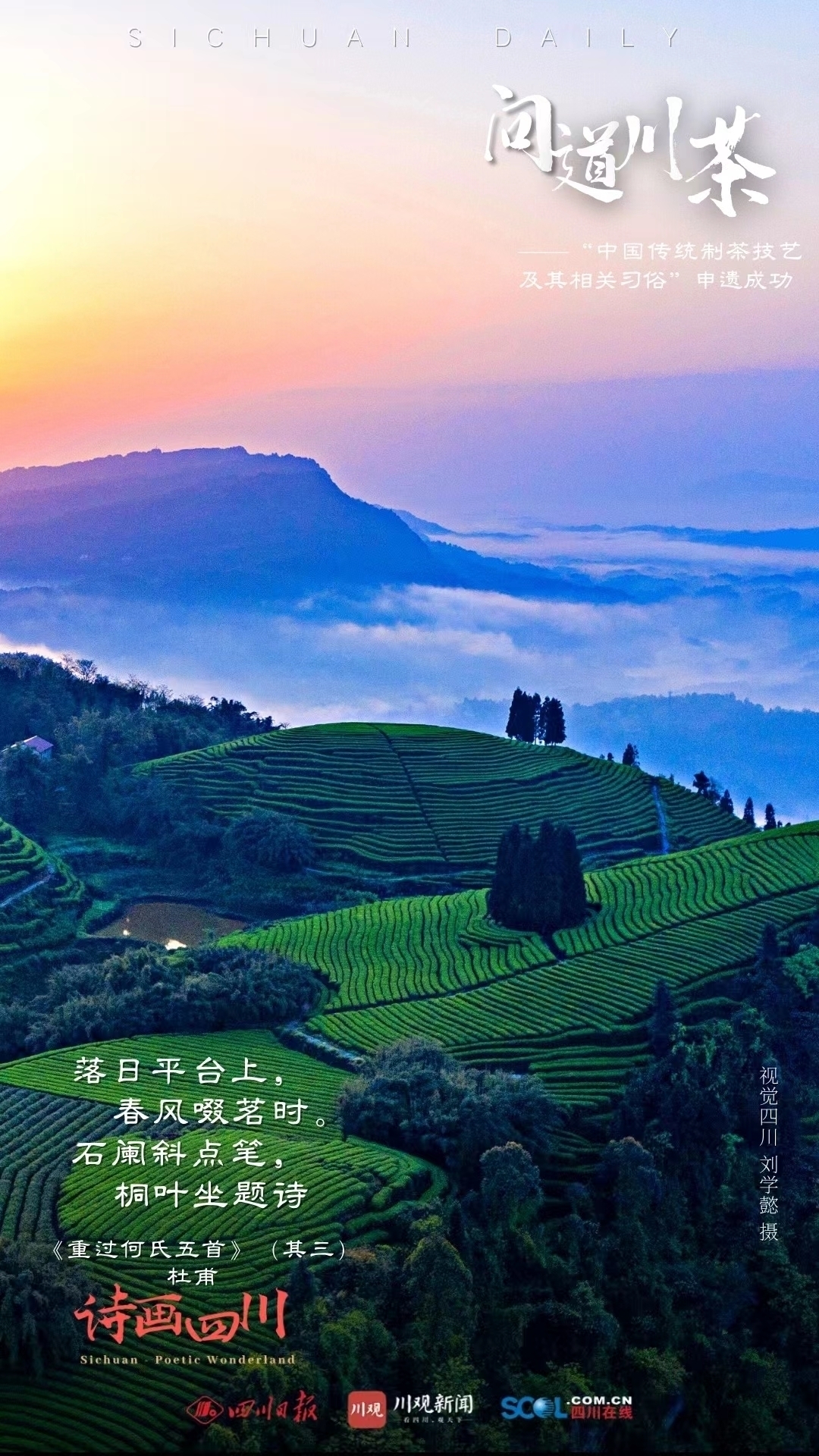
11月29日晚,“中国传统制茶技艺及其相关习俗”通过评审,列入联合国教科文组织人类非物质文化遗产代表作名录。
Traditional tea processing techniques and their associated social practices in China were added to UNESCO's Representative List of the Intangible Cultural Heritage of Humanity on Nov. 29, Beijing time.
其中雅安市绿茶制作技艺(蒙山茶传统制作技艺)和黑茶制作技艺(南路边茶制作技艺)作为“中国传统制茶技艺及其相关习俗”之二助力申遗。
The green tea processing techniques and darkgreen tea processing techniques in Ya'an City, Sichuan Province are a part of traditional tea processing techniques.
四川为植茶、饮茶发源地之一,茶文化风气炽盛。在四川,人们不光种茶、饮茶,还会用诗歌吟茶,赞美茶的美好。
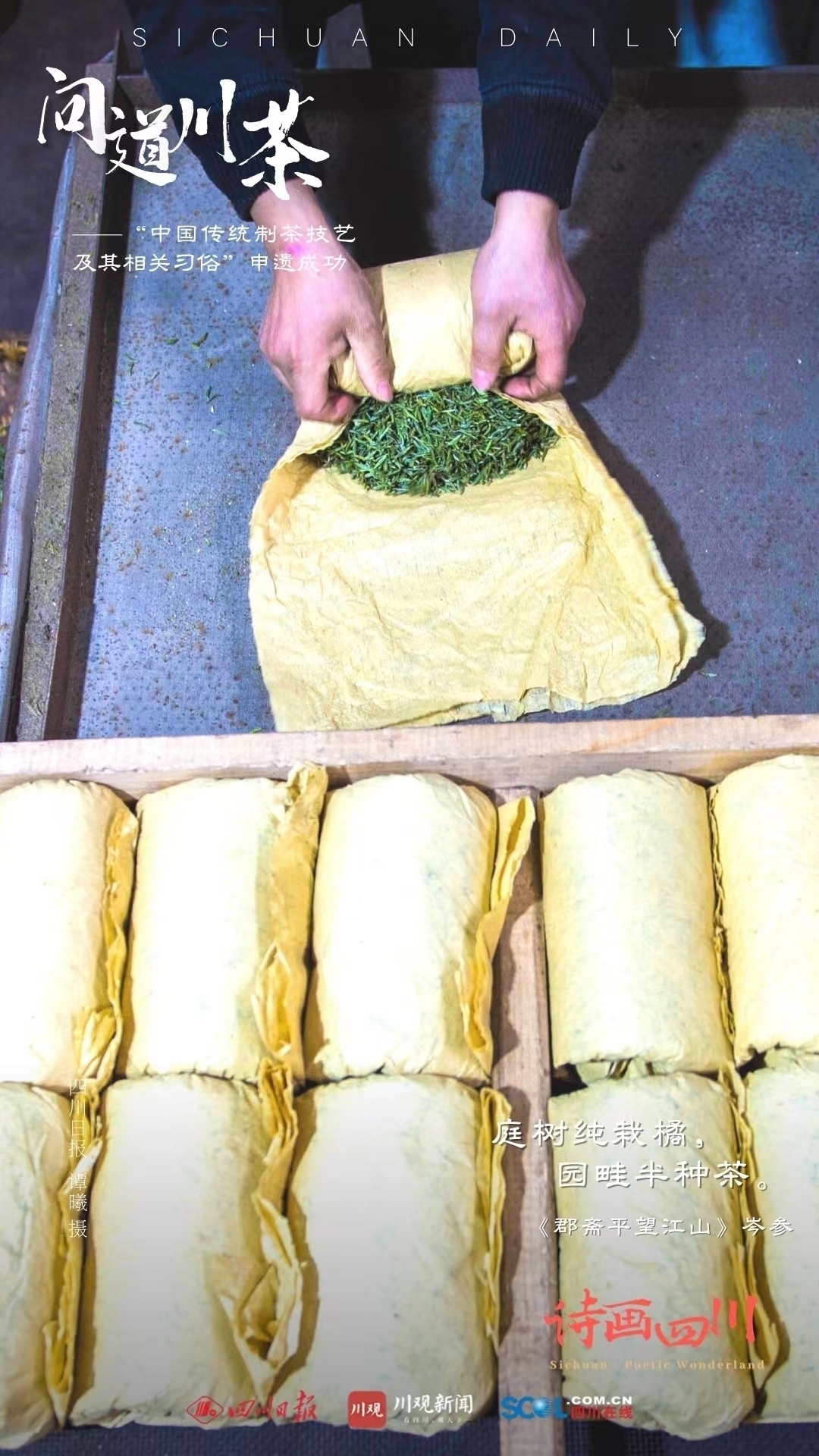
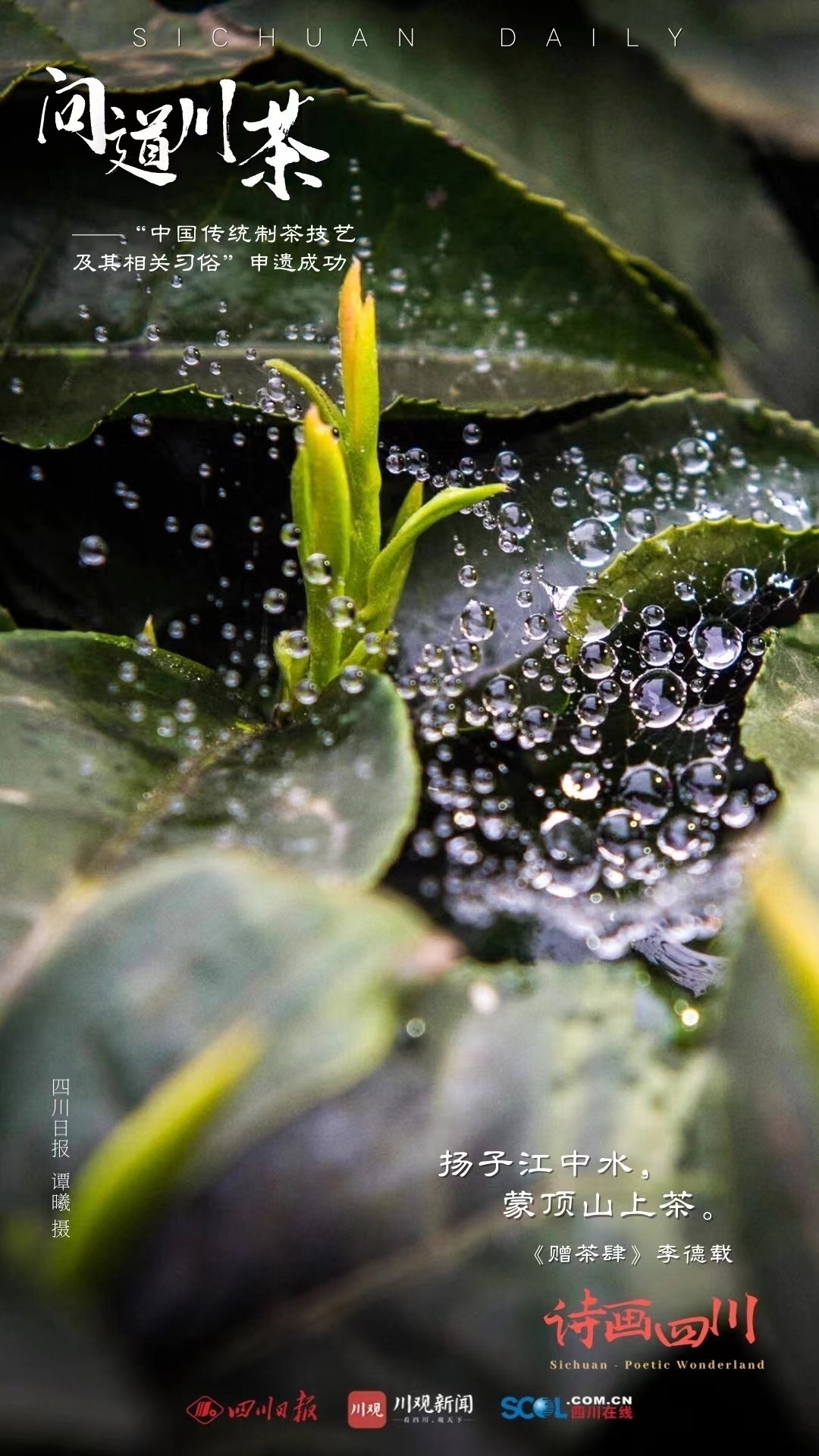
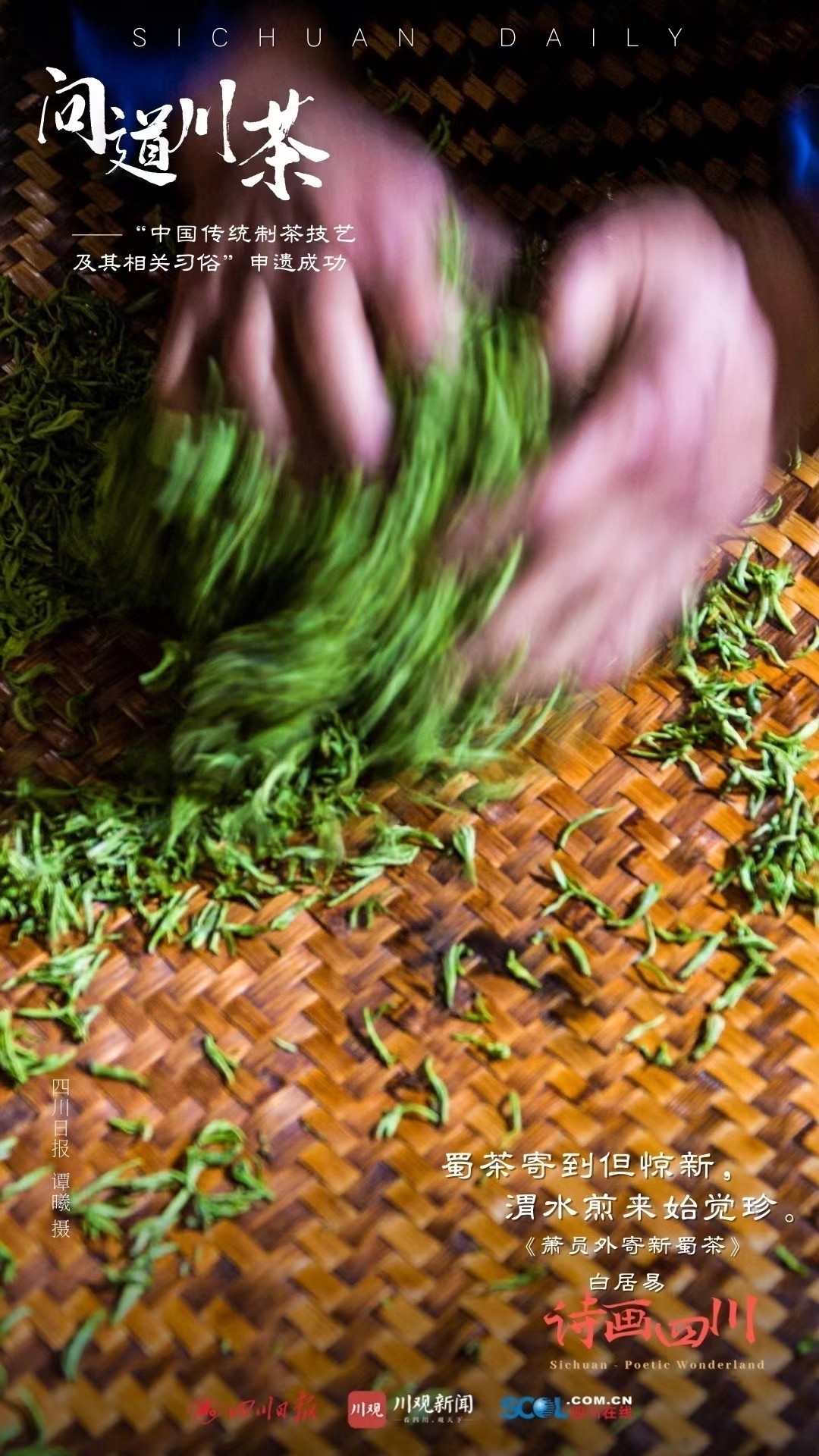
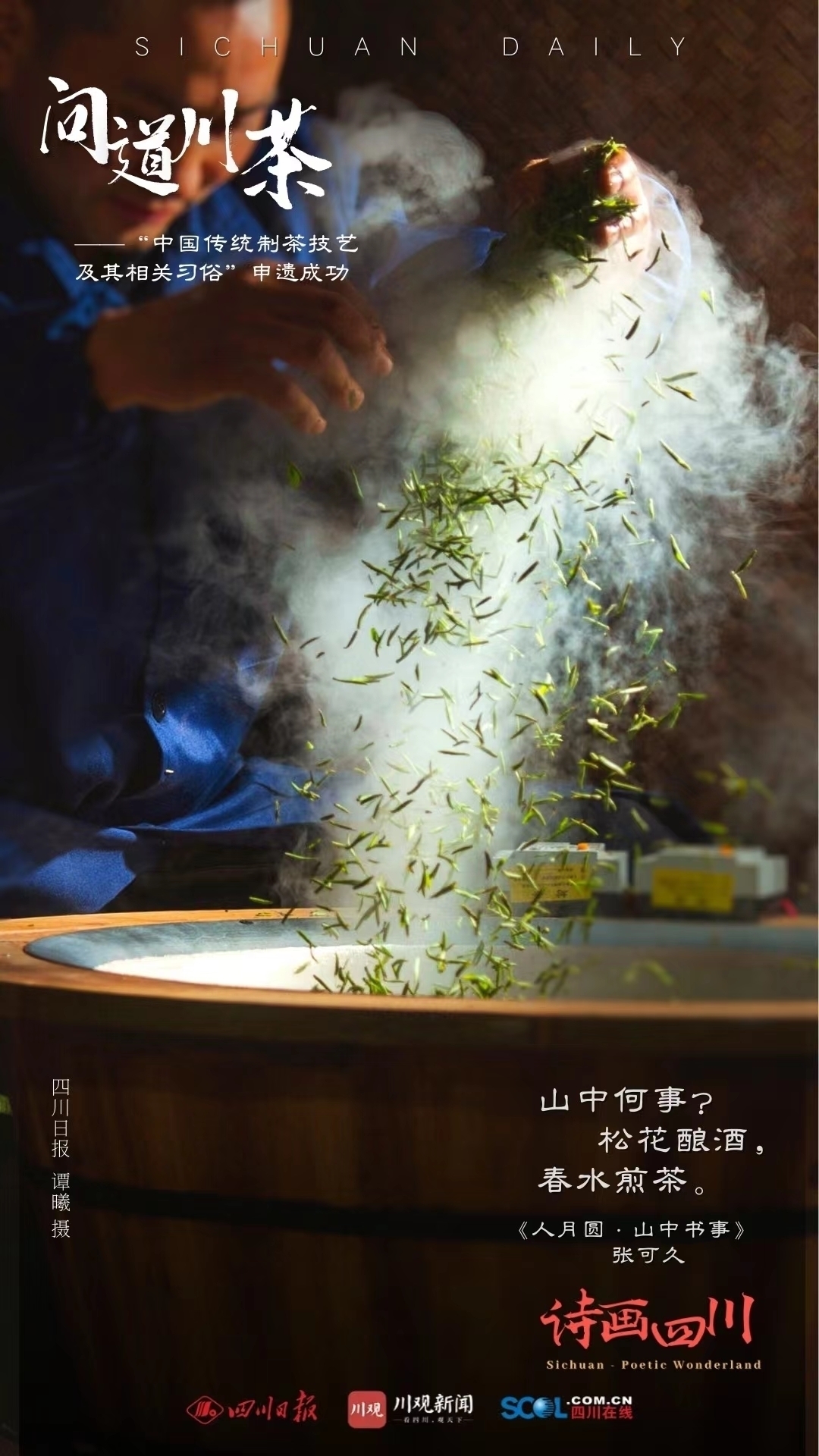
不仅是茶文化!作为非物质文化遗产大省,四川有着灿若繁星的非遗资源。在中国列入联合国教科文组织非物质文化遗产名录、名册的43项中,多项和四川有关。
Apart from the tea culture, Sichuan owns a great number of intangible cultural heritages. Let'stake an inventory of them.
羌年
Qiang New Year festival
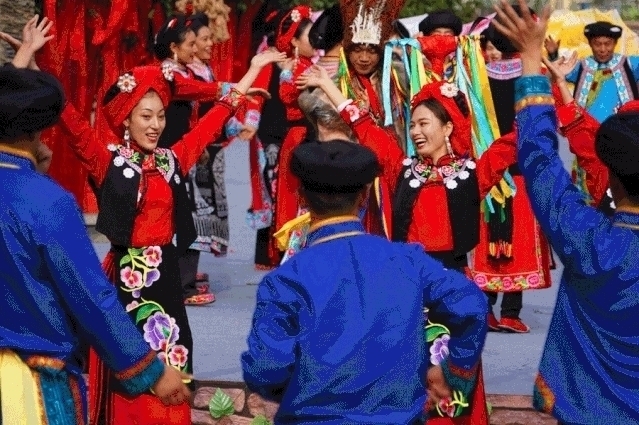
2009年,羌年被联合国教科文组织保护非物质文化遗产政府间委员会列入《急需保护的非物质文化遗产名录》。
羌年是羌族的传统节日,于每年农历十月初一举行庆祝活动,主要流行于四川省茂县23个乡镇的广大羌族聚居区。羌年又称“日麦节”或“日美吉”,就是“过小年”“丰收节”的意思。
The Qiang New Year Festival, held on the first day of the tenth lunar month, is an occasion for the Qiang people of China's Sichuan Province to offer thanks and worship to heaven for prosperity, reaffirm their harmonious and respectful relationship with nature, and promote social and family harmony.
中国传统桑蚕丝织技艺(蜀锦织造技艺)
Sericulture and silk craftsmanship of China
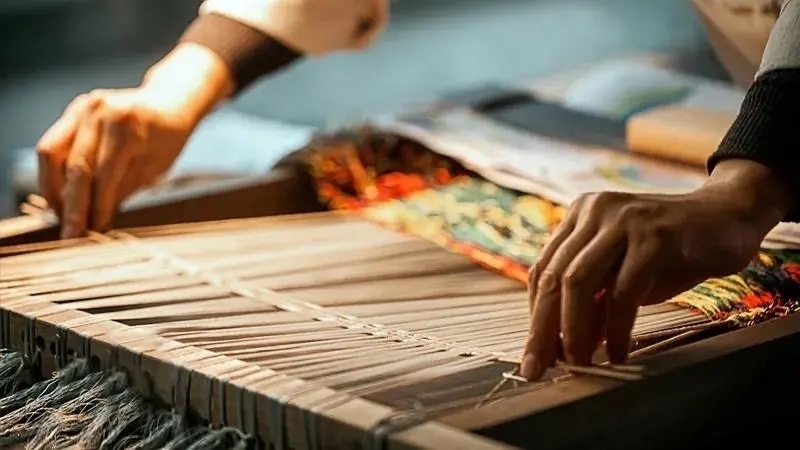
2009年,蜀锦织造技艺与宋锦织造技艺、苏州缂丝织造技艺、浙江的蚕丝织造技艺和桑蚕习俗一起,作为中国传统桑蚕丝织技艺的子项目,被联合国教科文组织保护非物质文化遗产政府间委员会列入《人类非物质文化遗产代表作名录》。
蜀锦兴于春秋战国时期,盛于汉、唐、宋,是一种具有汉民族特色和地方风格的多彩织锦。它在南北“丝绸之路”中,作为文化交流及贸易的载体见证了历史,具有独特的文化价值。
Sericulture and silk craftsmanship of China, based in Zhejiang and Jiangsu Provinces and Chengdu in Sichuan Province, have an ancient history.
Created in the Spring and Autumn Period and the Warring States Period and becoming popular in Han, Tang and Song Dynasty, Shu brocade isfeatured with Han style and local colors. It played an important role in the "Silk Road", and has a great historical and cultural value.
格萨(斯)尔
Gesar epic tradition
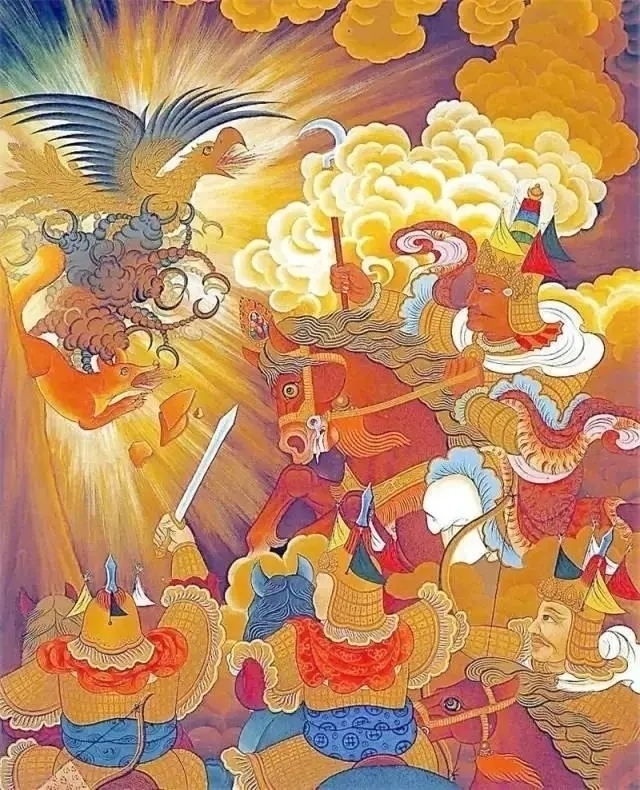
2009年,格萨(斯)尔被联合国教科文组织保护非物质文化遗产政府间委员会列入《人类非物质文化遗产代表作名录》。
《格萨(斯)尔》是关于藏族古代英雄格萨尔神圣业绩的宏大叙事史诗。
凭借杰出艺人的说唱,格萨尔史诗流传千年,主要流传于中国西部高原地带的广大牧区和农村。《格萨(斯)尔》是世界上迄今发现的史诗中演唱篇幅最长的,它既是族群文化多样性的熔炉,又是多民族民间文化可持续发展的见证。
The ethnic Tibetan, Mongolian and Tu communities in western and northern China share the story of the ancient hero King Gesar, sent to heaven to vanquish monsters, depose the powerful, and aid the weak while unifying disparate tribes.
藏戏(德格格萨尔藏戏、巴塘藏戏、色达藏戏)
Tibetan opera
2009年,藏戏被联合国教科文组织保护非物质文化遗产政府间委员会列入《人类非物质文化遗产代表作名录》。
藏戏是带着面具、以歌舞演故事的藏族戏剧,形成于14世纪,流传于青藏高原,内容大都是佛经中劝善惩恶的神话传说,反映了藏族人民的生活面貌和思想感情,是他们文化生活的重要组成部分。
Tibetan opera, the most popular traditional opera of minority ethnic groups in China, is a comprehensive art combining folk song, dance, storytelling, chant, acrobatics and religious performance.Rooted in Buddhist teachings, the stories told in Tibetan opera recount the triumph of good and the punishment of evil and therefore serve a social teaching function for the community.
中国皮影戏(四川皮影戏)
Chinese shadow puppetry
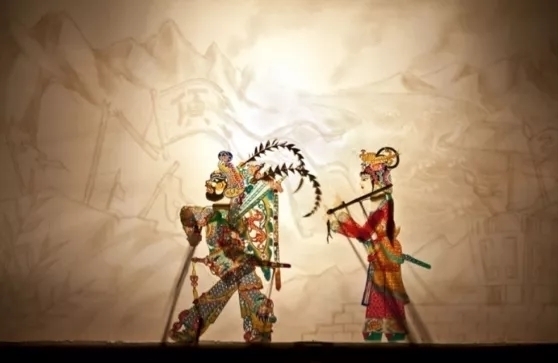
2011年,中国皮影戏被联合国教科文组织保护非物质文化遗产政府间委员会列入《人类非物质文化遗产代表作名录》。
四川皮影戏制作上极见功力,雕刻技法娴熟,线条流畅细腻,镂空留实得体,影人造型俊美,具有浓郁的地方特色。
Chinese shadow puppetry is a form of theatre acted by colourful silhouette figures made from leather or paper, accompanied by music and singing.Manipulated by puppeteers using rods, the figures create the illusion of moving images on a translucent cloth screen illuminated from behind.
中国雕版印刷技艺(德格印经院藏族雕版印刷技艺)
China engraved block printing technique
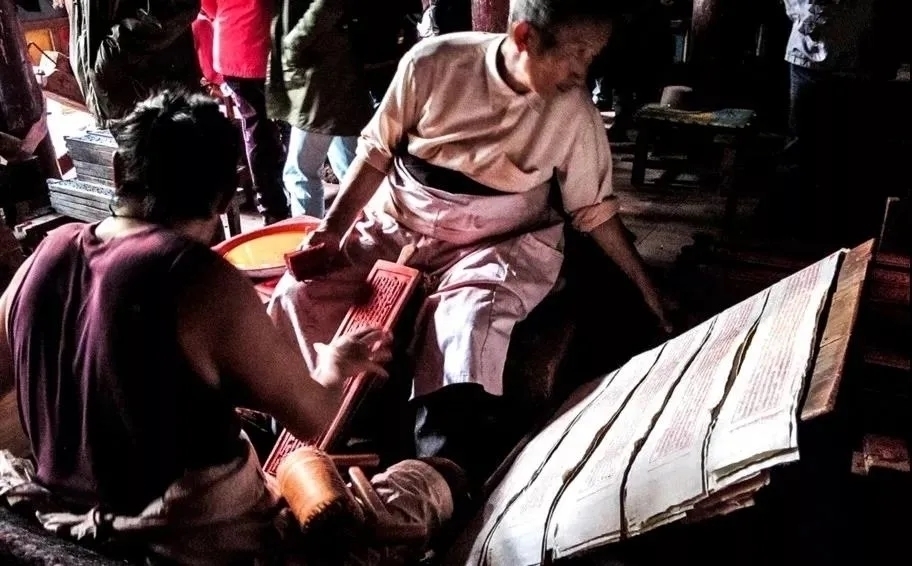
2009年,中国雕版印刷技艺被联合国教科文组织保护非物质文化遗产政府间委员会列入《人类非物质文化遗产代表作名录》。
德格印经院是藏区三大印经院之首,藏有经版30多万块、画版6000多块,70%以上的藏文化典籍这里都有收藏。
The traditional China engraved block printing technique requires the collaboration of half a dozen craftspeople possessed of printing expertise, dexterity and team spirit.
藏医药浴法(甘孜州南派藏医药)
Lum medicinal bathing of Sowa Rigpa
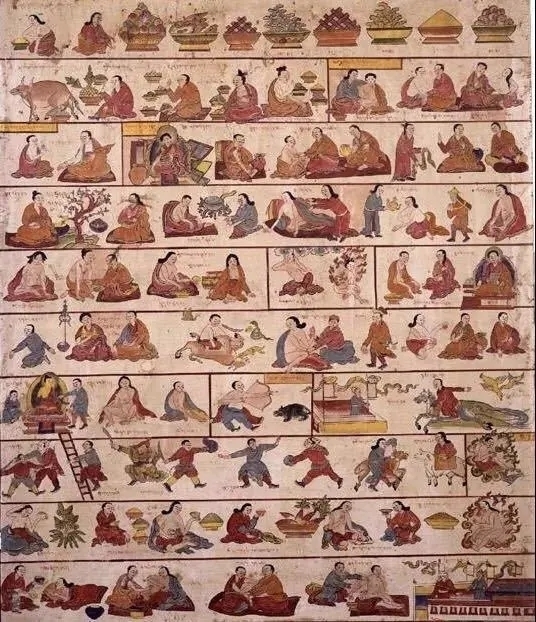
2018年,藏医药浴法被联合国教科文组织保护非物质文化遗产政府间委员会列入《人类非物质文化遗产代表作名录》。
藏医药浴法是藏族人民通过沐浴天然温泉或药物煮熬的水汁或蒸汽,调节身心平衡,实现生命健康和疾病防治的传统知识和实践。四川甘孜州是藏医药的发祥地之一,南派藏医药的故乡。
Lum medicinal bathing of Sowa Rigpa is a practice developed by the Tibetan people as part of a life view based on the five elements and a view about health and illness. It has been transmitted over the generations through daily life, religious rituals, folkloric activities and medicinal practices, and has also been incorporated into the curricula of modern medical colleges as a complement to formal education.
灿烂的巴蜀文明
在全球文化的银河中熠熠闪光
四川非遗的保护与传承
更将助力中国在世界文明的广阔画卷上
留下更为浓墨重彩的一笔
